



Key Biscayne, Miami — A Cheat Sheet for Buyers, Visitors, & the Curious

Amit Bhuta
I use non-traditional marketing to inspire the most motivated buyers to pay the max for Miami luxury homes...
I use non-traditional marketing to inspire the most motivated buyers to pay the max for Miami luxury homes...
The contrast between the Miami skyline and the mangroves, with sea wind moving across a narrow ribbon of land, is what life in Key Biscayne is often known for.
But there is far more to this island town than meets the eye.
Occupying a barrier island south of Miami Beach, bordered by the open Atlantic Ocean to the east and Biscayne Bay to the west, Key Biscayne is a self-contained coastal community with its own municipal government, schools, parks, and residential neighborhoods.
Its geography alone reveals much about how the town operates — from its single causeway access to the mainland, to large portions of protected parkland, and development shaped by the island’s limited size.
Of course, that's only half of the story.
This guide addresses some of the most frequently asked questions about the realities of living in Key Biscayne.
Here's what you need to know about living in, visiting, and understanding Key Biscayne.
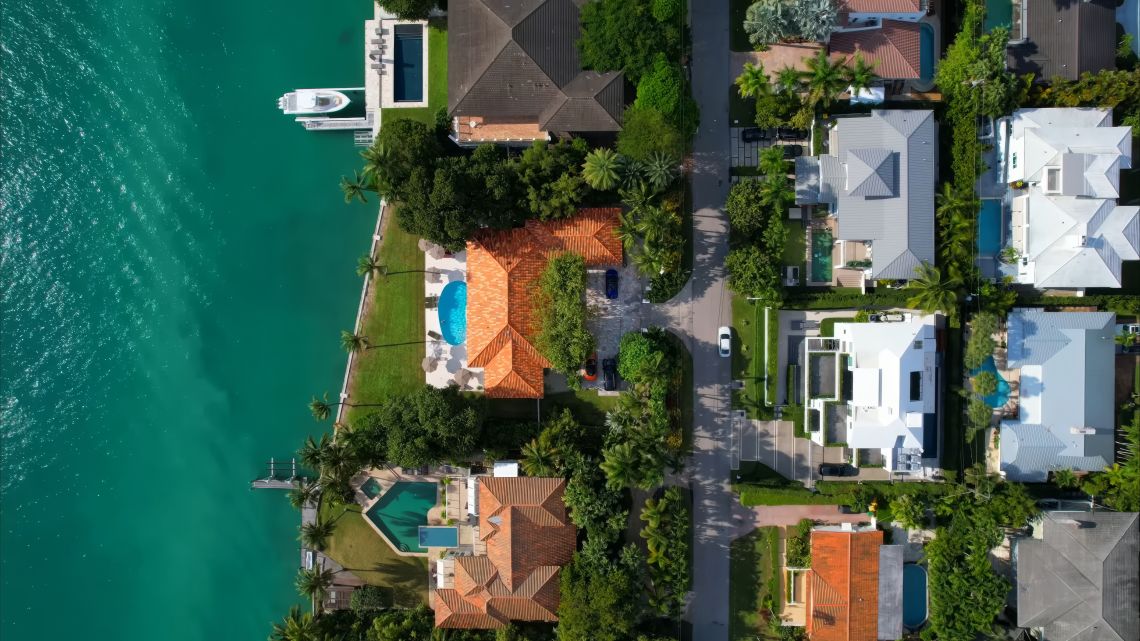
LIVING IN KEY BISCAYNE
Where is Key Biscayne located?
Key Biscayne is a barrier island village in southeastern Miami-Dade County, located about 6 miles southeast of Downtown Miami.
The island sits between the Atlantic Ocean to the east and Biscayne Bay to the west, directly south of Virginia Key and roughly 7 miles south of Miami Beach.
The municipality covers approximately 1.7 square miles of land area and about 4.6 square miles including surrounding water.
Despite its compact size, the island includes residential neighborhoods, schools, parks, beaches, and protected coastal landscapes.
The village is separated from mainland Miami by Biscayne Bay and is connected to the mainland by only one roadway, the Rickenbacker Causeway, which links the island directly to Brickell and the urban core of Miami.
Is Key Biscayne its own town or part of Miami?
Key Biscayne is an incorporated municipality officially known as the Village of Key Biscayne.
The community was incorporated in 1991 and operates independently from the City of Miami.
The village has its own mayor, village council, zoning regulations, and municipal departments responsible for planning, development approvals, and code enforcement.
While the village manages many local services, Key Biscayne still falls under the jurisdiction of Miami-Dade County for regional functions such as courts and certain county-level services.
This municipal structure allows the island to maintain tighter development controls and preserve its residential coastal character.
How do you get to Key Biscayne from Miami?
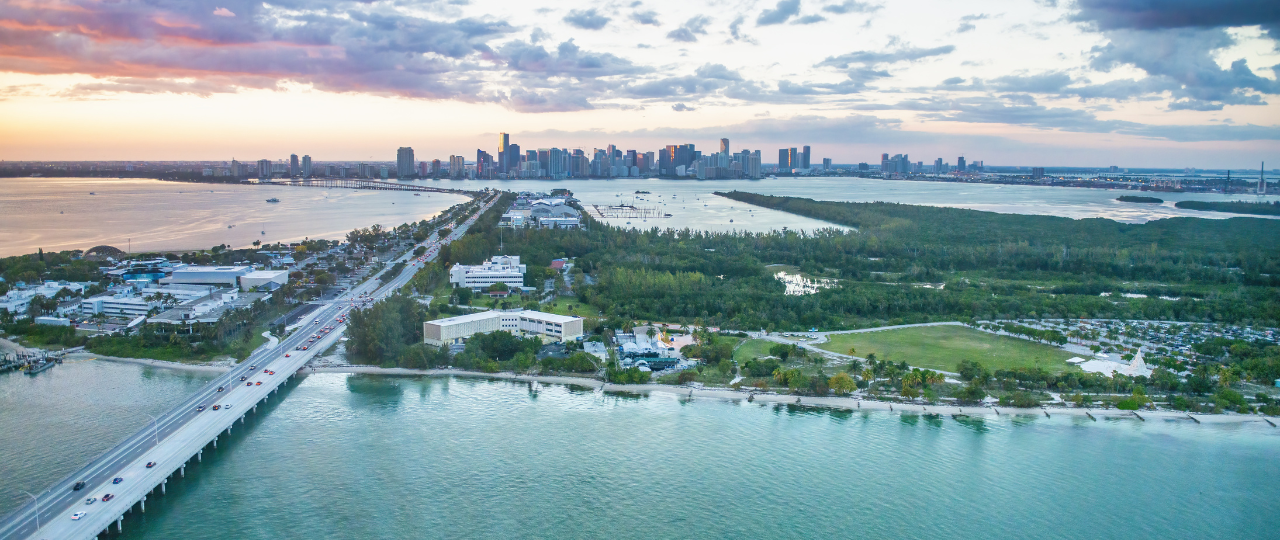
Key Biscayne is accessed through the Rickenbacker Causeway, a roadway that stretches roughly 5 miles across Biscayne Bay.
The causeway begins near Brickell Avenue and the southern edge of Downtown Miami, then crosses the bay through Virginia Key before reaching Key Biscayne.
Driving time from Brickell or Downtown Miami is typically 10 to 15 minutes.
Travel time from Coconut Grove is usually about 15 to 20 minutes.
Miami International Airport is approximately 25 to 30 minutes away, depending on traffic conditions.
Since the island has only one primary access route, commuting patterns and traffic conditions are closely tied to the causeway.
What is the Rickenbacker Causeway, and why is it important for Key Biscayne?
The Rickenbacker Causeway is the primary roadway linking Key Biscayne to mainland Miami.
The causeway opened in 1947 and spans roughly five miles across Biscayne Bay, connecting Miami, Virginia Key, and Key Biscayne.
Because it is the island’s only direct vehicular access route, all commuting traffic, deliveries, emergency services, and visitors use this roadway.
The causeway is also widely used by cyclists and runners because it provides continuous waterfront views of Biscayne Bay and the Miami skyline.
Is Key Biscayne a good place to live?
Key Biscayne is widely considered one of the most desirable residential communities in Miami-Dade County because it combines beach access with proximity to Miami’s financial districts.
The island has a population of roughly 14,500 residents and a median household income close to $170,000 per year.
Many residents choose the area because it offers a quieter atmosphere than mainland Miami while remaining within a 10 to 15-minute drive of Downtown Miami.
The island also contains multiple parks, beaches, and recreational spaces within a compact area, contributing to a walkable and outdoor-oriented lifestyle.
Is Key Biscayne expensive to live in?
Key Biscayne ranks among the most expensive residential markets in Miami-Dade County due to limited land supply and strong demand for coastal property.
Condo prices typically range from approximately $800,000 for smaller units to about $4 million for large oceanfront residences.
Single-family homes generally start around $2.5 million and can exceed $10 million depending on size and location.
Luxury waterfront estates along Biscayne Bay canals frequently range between $12 million and $30 million or more.
What is the cost of living like in Key Biscayne?
The cost of living in Key Biscayne is significantly higher than the national average, largely due to housing and insurance costs.
Monthly condo association fees typically range between $800 and $3,000 or more, depending on the building and amenities.
Rental prices for condo units typically range from $4,000 to $12,000 per month, depending on size, views, and building features.
Coastal homeowners also often pay higher windstorm and flood insurance premiums than mainland Miami neighborhoods.
What types of homes are in Key Biscayne?
The housing inventory in Key Biscayne consists primarily of condo buildings and single-family homes.
Oceanfront condo developments include Ocean Club, Casa del Mar, Key Colony, The Towers of Key Biscayne, and Sands of Key Biscayne.
Units in these buildings typically range from about 700 square feet to more than 3,000 square feet.
Single-family homes usually range between 2,000 and 6,000 square feet, while larger luxury estates may exceed 8,000 square feet of living space.
What is the average home price in Key Biscayne?
Condo units usually sell between approximately $800,000 and $2 million for smaller residences.
Larger luxury oceanfront condos can exceed $4 million to $5 million, depending on views and building amenities.
Single-family homes generally range between $2.5 million and $10 million, depending on location and size.
Waterfront homes with private docks start near $8 million and can exceed $20 million.
Are there waterfront homes in Key Biscayne?
Yes. Many waterfront homes are located along Biscayne Bay canal streets such as Harbor Drive, Island Drive, and West Mashta Drive.
These homes often include private docks that allow direct boating access to Biscayne Bay and the Atlantic Ocean.
Lots along the waterfront typically range from about 7,500 square feet to more than 15,000 square feet.
Many canal-front properties provide 60 to 120 feet of waterfrontage depending on the lot configuration.
Are there condos in Key Biscayne?
Condos represent a major portion of the island’s residential inventory.
Prominent buildings include Ocean Club, Casa del Mar, The Towers of Key Biscayne, Key Colony, and Sands of Key Biscayne.
Units generally range from about 700 square feet for smaller one-bedroom apartments to 3,000 square feet or more for larger luxury residences.
Prices range from under $1 million for older interior units to more than $5 million for premium oceanfront apartments.
Are there HOAs in Key Biscayne communities?
Most condo buildings on Key Biscayne are governed by condominium associations responsible for maintenance and building operations.
Monthly association fees generally range between $800 and $3,000 or more, depending on the building and amenities.
Luxury developments such as Ocean Club may have higher fees because they include private beach clubs, pools, fitness centers, and landscaped grounds.
These associations also typically maintain building security, common areas, and structural maintenance.
What are property taxes like in Key Biscayne?
Property taxes in Key Biscayne are calculated through the Miami-Dade County property tax system.
The effective property tax rate is typically between about 1.8 percent and 2.2 percent of assessed value.
For example, a property assessed at $3 million could result in annual property taxes between approximately $54,000 and $66,000, depending on exemptions.
Actual tax bills vary based on homestead exemptions and municipal assessments.
Are there good schools in Key Biscayne?
Key Biscayne has several schools serving island residents.
Key Biscayne K-8 Center is the primary public school on the island, serving kindergarten through eighth grade.
High school students commonly attend MAST Academy on Virginia Key, a magnet public school specializing in marine and environmental science.
Private education options include St. Agnes Academy on the island and nearby schools such as Ransom Everglades School and Carrollton School of the Sacred Heart.
For more information, visit Best Schools in Key Biscayne.
Is Key Biscayne safe?
Key Biscayne is widely regarded as one of the safer communities in Miami-Dade County.
The village operates its own Key Biscayne Police Department, which focuses exclusively on the island’s residential areas, parks, and beaches.
The island’s smaller population and single roadway access contribute to its reputation as a secure residential community.
Residents often cite the community-oriented environment as one of the reasons families choose to live on the island.
What is the population of Key Biscayne?
Key Biscayne has a population of approximately 14,500 residents.
The village covers a relatively small geographic area, which contributes to a strong neighborhood identity and quieter atmosphere.
The population includes families, professionals working in Miami’s financial districts, retirees, and international homeowners who maintain seasonal residences.
What is daily life like on Key Biscayne?
Daily life on Key Biscayne often revolves around outdoor activities, beaches, and community spaces.
Residents frequently walk or cycle around the island because many neighborhoods are located within minutes of parks, schools, and waterfront areas.
The island includes grocery stores, restaurants, cafés, and small retail areas, such as Winn-Dixie Key Biscayne, CVS Pharmacy, and the Key Biscayne Shopping Center along Crandon Boulevard that serve the local community.
At the same time, Downtown Miami remains only about 10 to 15 minutes away, allowing residents to access major employment centers while living in a quieter coastal environment.
-topaz-upscale-2.1x.jpeg?w=1140)
VISITING KEY BISCAYNE
What is Key Biscayne known for?
Key Biscayne is known for its beaches, coastal parks, and relaxed island atmosphere, located just minutes from Downtown Miami.
The island is home to major natural attractions, including Crandon Park and Bill Baggs Cape Florida State Park.
These parks together cover more than 800 acres of beaches, mangroves, and recreational areas.
Visitors often come for swimming, biking, kayaking, and waterfront recreation.
For a typical day around Key Biscayne, check out Top 5 Things to Do in Key Biscayne.
Are there beaches in Key Biscayne?
Yes. Key Biscayne has several public beaches primarily within its two major parks.
The beaches inside Crandon Park stretch for roughly two miles along the Atlantic Ocean.
Additional shoreline areas are located within Bill Baggs Cape Florida State Park, which includes one of the most scenic beaches in South Florida.
These beaches are known for calm waters and natural coastal landscapes.
What is Crandon Park?
Crandon Park is an 808-acre county park located in the northern part of Key Biscayne.
The park includes approximately two miles of sandy beaches, picnic areas, tennis courts, bike paths, and Crandon Park Golf Course, an 18-hole public golf course covering about 7,300 yards.
Crandon Park is also home to the Crandon Park Tennis Center, which previously hosted the Miami Open professional tennis tournament.
The park attracts both residents and visitors looking for outdoor recreation.
What is Bill Baggs Cape Florida State Park?
Bill Baggs Cape Florida State Park is a 400-acre state park located on the southern end of Key Biscayne.
The park includes beaches, nature trails, fishing areas, and bike paths.
It is widely known for the historic Cape Florida Lighthouse, which was originally built in 1825.
Visitors can climb the lighthouse during scheduled tours for views across Biscayne Bay and the Atlantic Ocean.
Are there restaurants in Key Biscayne?
Yes. Key Biscayne has several restaurants and cafés located primarily along Crandon Boulevard, the island’s main commercial corridor.
Popular local restaurants include Rusty Pelican, Boater’s Grill, Milanezza, Costa Med Bistro, and Novecento.
Many of these restaurants specialize in seafood, Mediterranean cuisine, and Latin American dishes.
The dining scene is relatively small compared with the Miami mainland, but it serves the local community and visitors.
Top 5 Places to Eat in Key Biscayne features some of the best restaurants on the island.
Are there hotels or resorts in Key Biscayne?
Yes. The most prominent resort on the island is The Ritz-Carlton Key Biscayne, a luxury beachfront resort located on the island’s eastern shoreline.
The property includes more than 400 guest rooms and suites, multiple restaurants, pools, and direct beach access.
Another well-known accommodation nearby is Silver Sands Beach Resort, a smaller beachfront property.
Many visitors also stay in nearby areas, such as Brickell or Coconut Grove, and visit Key Biscayne during the day.
For more hotel options on the island, check out Top 5 Hotels in Key Biscayne.
Is Key Biscayne good for outdoor activities?
Yes. Key Biscayne offers extensive outdoor recreation, including beaches, bike paths, kayaking areas, and fishing locations.
The Rickenbacker Causeway is popular with cyclists because of its scenic views across Biscayne Bay.
Crandon Park and Bill Baggs State Park include trails, picnic areas, and waterfront recreation areas.
The island’s relatively flat terrain also makes it ideal for walking and cycling.
Pet owners can also visit Dog-Friendly Parks in Key Biscayne to learn more about parks that allow dogs.
-topaz-upscale-2.1x.jpeg?w=1140)
UNDERSTANDING KEY BISCAYNE
Is Key Biscayne an island?
Yes. Key Biscayne is a barrier island located between Biscayne Bay and the Atlantic Ocean.
The island is separated from mainland Miami by Biscayne Bay and is connected only by the Rickenbacker Causeway.
Barrier islands like Key Biscayne are formed by coastal sediment deposits and are common along Florida’s coastline.
How big is Key Biscayne?
Key Biscayne covers approximately 1.7 square miles of land area.
Including surrounding water areas, the total municipal area is about 4.6 square miles.
Because of its small size, most parts of the island are located within a short drive or bike ride from the beach.
The compact geography contributes to the village’s neighborhood-oriented environment.
Is Key Biscayne prone to flooding or hurricanes?
Like many coastal communities in South Florida, Key Biscayne is exposed to risks of hurricanes and storm surge.
Since the island sits at sea level, many areas fall within FEMA flood zones AE and VE, which require flood insurance for federally backed mortgages.
Homes are typically constructed or renovated in line with modern hurricane-resistant building codes.
Elevated construction and storm protection systems are common features in newer homes.
Why is Key Biscayne so expensive?
Key Biscayne’s high real estate prices are largely driven by limited land supply and strong demand for waterfront property.
The island is only about 1.7 square miles, limiting new development opportunities.
Large portions of the island are preserved as parks or protected natural areas.
Its proximity to Downtown Miami, combined with ocean access, also contributes to its high property values.
Who typically lives in Key Biscayne?
Key Biscayne residents include professionals working in Miami’s financial districts, families, retirees, and international homeowners.
Many residents are drawn to the island because it offers a quieter residential environment just minutes from Miami’s urban core.
The village also has a strong international community with residents from Europe and Latin America.
Seasonal homeowners who spend part of the year on the island are also common.
What makes Key Biscayne different from Miami Beach?
Key Biscayne differs from Miami Beach in several ways.
Miami Beach is a larger city with extensive nightlife, high-rise development, and a population exceeding 80,000 residents.
Key Biscayne has a population of only about 14,500 residents and is primarily residential.
The island has fewer hotels, restaurants, and commercial areas, which gives it a quieter and more neighborhood-oriented environment.
Many people describe Key Biscayne as offering a more private coastal lifestyle compared with the more urban atmosphere of Miami Beach.
-topaz-upscale-2.1x.jpeg?w=1140)
%20(21).png)
Key Biscayne, Miami, Florida - EVERYTHING You Want to Know
Come on this voyage to all things Key Biscayne. At the end of this virtual journey, you�...
.png)
The Ultimate Guide to Miami-Dade's Top 25 Gated Communities for Single-Family Homes
Discover Miami's top gated communities in this essential guide for luxury home buyers...

Miami's BEST Restaurants in EVERY Neighborhood
Check out the absolute BEST restaurants in every neighborhood of Miami, including the best...
Selling Your Home?
Who are we?
We are the ALL IN Miami Group out of Miami.
We are Colombian, Filipino, Cuban, German, Japanese, French, Indian, Syrian, and American.
We are Christian, Hindu, and Jewish.
We are many, but we are one.
We sell luxury homes in Miami, Florida.
Although some of our clients are celebrities, athletes, and people you read about online, we also help young adults find their first place to rent when they are ready to live on their own.
First-time buyers?
All the time!
No matter what your situation or price range is, we feel truly blessed and honored to play such a big part in your life.