



Palmetto Bay, Miami — A Cheat Sheet for Buyers, Visitors, & the Curious

Amit Bhuta
I use non-traditional marketing to inspire the most motivated buyers to pay the max for Miami luxury homes...
I use non-traditional marketing to inspire the most motivated buyers to pay the max for Miami luxury homes...
In a region defined by vertical growth, late nights, and constant reinvention, Palmetto Bay moves in the opposite direction with intention.
Set apart from the density of Brickell and the constant activity of Downtown Miami, this village prioritizes land over skyline, routine over velocity, and long-term stability over short-term momentum.
Here, homes stretch across oversized lots, streets remain quiet even at peak hours, and daily life revolves less around access to entertainment and more around predictability, highly rated schools, and space that actually feels lived in.
But that trade-off raises important questions that you don’t see in surface-level descriptions online, especially around Palmetto Bay’s flood zones, insurance costs, zoning regulations, school boundaries, commute patterns, and how it compares to nearby areas like Pinecrest and Cutler Bay.
Let this guide become your reliable source for answers with clarity, depth, and local context, helping you understand what living in Palmetto Bay actually looks like beyond the brochure.
Here's what you need to know about living in, visiting, and understanding Palmetto Bay.
-topaz-upscale-2.1x.jpeg?w=1140)
LIVING IN PALMETTO BAY
What is it like living in Palmetto Bay compared to other South Miami neighborhoods?
Living in Palmetto Bay centers around space, quiet, and residential consistency rather than density, nightlife, or rapid redevelopment.
Compared to nearby areas like Coral Gables or Brickell, Palmetto Bay offers significantly larger lots, fewer commercial zones, and a more suburban daily experience.
The pace is slower, traffic is on main roads, and most neighborhoods are insulated from through-traffic, which contributes to a stable and predictable environment.
This creates a lifestyle where routine and long-term livability take priority over constant activity or proximity to urban centers.
Is Palmetto Bay considered a safe place to live?
Palmetto Bay is widely regarded as one of the safer residential areas in South Miami, particularly for families and long-term homeowners.
Crime rates are generally lower than in more urbanized parts of Miami-Dade County, and the village benefits from consistent policing, low-density zoning, and limited commercial clustering.
Most incidents are non-violent and sporadic, with many neighborhoods experiencing long stretches of minimal activity.
This overall pattern contributes to a consistent sense of stability rather than fluctuating conditions.
Who typically lives in Palmetto Bay?
The population is heavily composed of families, professionals, and long-term homeowners who prioritize schools, space, and stability.
Many residents are in multi-generational households or buyers upgrading from denser areas such as Kendall or Westchester.
The demographic profile leans toward owner-occupied homes rather than renters, reinforcing the neighborhood’s residential continuity.
This tends to create communities where turnover is lower and long-term residency is more common.
Is Palmetto Bay a good place for families with children?
Palmetto Bay is consistently considered one of the strongest family-oriented communities in Miami-Dade County.
The combination of highly rated schools, large yards, low traffic in interior streets, and access to parks creates an environment designed around long-term family living.
Many buyers specifically target the area for its school zoning and suburban structure.
This makes school boundaries and neighborhood selection closely tied to purchasing decisions.
How quiet is Palmetto Bay daily?
Most residential streets in Palmetto Bay remain quiet throughout the day, with noise primarily limited to landscaping, school traffic during peak hours, and occasional construction.
Because there are few high-density developments or entertainment zones, nighttime activity is minimal compared to other parts of Miami.
The overall environment prioritizes privacy and low external disruption.
Quiet conditions are especially noticeable in interior neighborhoods that are not directly connected to main roads.
What types of homes are common in Palmetto Bay?
Palmetto Bay is dominated by single-family homes, with very limited multifamily or condo development.
Architectural styles range from ranch-style homes built in the 1960s–1980s to modern estates and newly renovated transitional properties.
It is common to see homes that have been expanded or rebuilt, especially in higher-value sections of the village.
In some areas, older homes are replaced entirely with larger custom builds that maximize lot size.
How old are homes in Palmetto Bay, and what should buyers expect from older construction?
Many homes in Palmetto Bay were built between the 1960s and 1980s, though several have been renovated or rebuilt over time.
Older homes may still have original plumbing, electrical systems, or roofs that have not been updated, which can affect insurance eligibility and maintenance costs.
Buyers often prioritize properties with newer roofs, updated systems, and permits for renovations, as these factors directly impact both insurability and long-term expenses.
This makes construction year and renovation history key considerations when evaluating properties in the area.
How large are lots and properties in Palmetto Bay?
Lot sizes are one of the defining features of Palmetto Bay, with many properties ranging from 7,500 square feet to over 20,000 square feet.
In premium areas, especially near Deering Estate or along Old Cutler Road, lot sizes can exceed 30,000 square feet.
This scale allows pools, outdoor kitchens, guest houses, and significant landscaping, which are major draws for buyers.
Larger lots also create greater spacing between homes, reinforcing the area’s low-density feel.
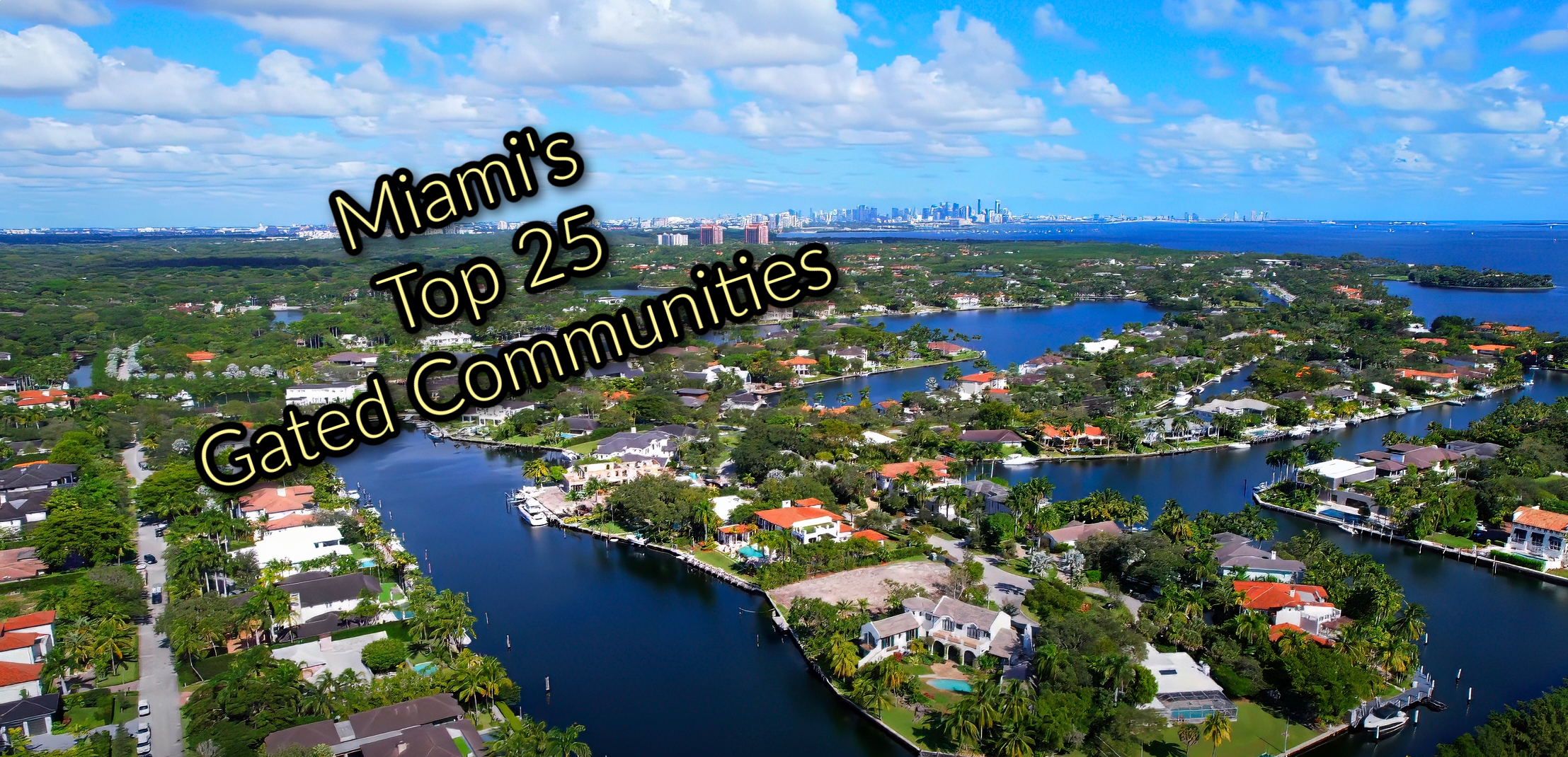
Are there gated communities in Palmetto Bay?
While Palmetto Bay is not defined by abundance in gated communities, there are select enclaves that offer controlled access and higher-end homes.
Most of the village, however, consists of open residential neighborhoods rather than master-planned gated developments.
This adds to a more traditional suburban layout rather than a resort-style community structure.
Privacy is typically achieved through lot size and spacing rather than controlled entry points.
How much do homes typically cost in Palmetto Bay?
Entry-level homes in Palmetto Bay typically range from $750,000 to $900,000, and often require updates or renovations.
Mid-range homes cost between $1.0 million and $1.8 million and come with updated interiors, larger lots, and modern features.
High-end and estate properties frequently range from $2.0 million to over $5.0 million, especially those with oversized lots or new construction.
Pricing differences are often driven by lot size, condition, and proximity to premium areas within the village.
Are there HOA communities in Palmetto Bay?
Most neighborhoods in Palmetto Bay do not have mandatory homeowners associations, which allows for more flexibility in property use and modifications.
Some smaller communities or gated sections may include HOAs, but they are not the dominant structure across the village.
This lack of widespread HOA control is a key factor for buyers seeking fewer restrictions.
It also allows for greater variation in home design and property use than in HOA-governed areas.
Is Palmetto Bay in a flood zone?
Significant portions of Palmetto Bay are within FEMA-designated flood zones, particularly areas closer to canals, waterways, and lower elevations.
Flood Zone AE and X are common designations within the village, and flood maps should be reviewed on a property-specific basis.
Flood risk varies significantly by block and elevation, making due diligence critical in a purchase.
Two homes on the same street can have different flood classifications depending on elevation and drainage conditions.
How does flood risk affect homes and insurance in Palmetto Bay?
Flood insurance is often required for homes in designated flood zones, and premiums can vary widely depending on elevation, structure, and coverage limits.
Policies can range from a few hundred dollars annually in low-risk zones to several thousand dollars in higher-risk areas.
Insurance costs have become a major consideration for buyers, particularly in older homes or those closer to waterways.
Because of this variability, insurance should be evaluated alongside purchase price when determining total ownership cost.
What should buyers know about hurricane exposure in Palmetto Bay?
Palmetto Bay, like all of South Florida, is exposed to hurricanes and tropical storms, which affect construction standards, insurance, and preparedness.
Many homes have been upgraded with impact windows, reinforced roofs, and updated drainage systems to mitigate risk.
Buyers often prioritize newer roofs, elevation certificates, and storm-resilient features when evaluating properties.
These upgrades can also influence insurance premiums and long-term maintenance costs.
Are schools in Palmetto Bay considered good?
Schools are one of the strongest drivers of demand in Palmetto Bay, with several highly rated public and private schools serving the area.
The reputation of local schools consistently supports property values and attracts long-term homeowners.
This factor alone positions Palmetto Bay as one of the most sought-after residential zones for families in Miami-Dade County.
School zoning is often one of the first filters buyers apply when choosing neighborhoods, as assignments can vary by street and are not uniform across Palmetto Bay.
What types of schools are available in Palmetto Bay?
Palmetto Bay offers a mix of public, private, and charter schools, including well-known institutions like Palmetto Middle School and Miami Palmetto Senior High School.
Private school options are also within a short drive, particularly in neighboring areas like Pinecrest and Coral Gables.
This variety allows families to choose between different educational structures without leaving the area.
Because zoning boundaries can vary by street, school assignments are often verified before purchase rather than assumed based on the overall area.
For more information, check out Best Schools in Palmetto Bay.
Do home values in Palmetto Bay reflect school demand?
School zoning has a direct and measurable impact on property values in Palmetto Bay.
Homes located within preferred school boundaries often command higher prices and experience stronger resale demand.
Buyers typically prioritize school zones when narrowing down specific neighborhoods within the village.
This makes school access both a lifestyle factor and a pricing driver.
How do residents commute from Palmetto Bay?
Most residents rely on cars for commuting, with primary routes including US-1, Old Cutler Road, and SW 152nd Street.
Commute times to areas like Brickell or Downtown Miami typically range from 30 to 50 minutes, depending on traffic conditions.
Public transportation options exist, but are not the primary mode of commuting for most residents.
Traffic patterns are generally directional, with heavier flow in northbound lanes in the morning and southbound lanes in the evening.
Is Palmetto Bay walkable or car-dependent?
Palmetto Bay is largely car-dependent due to its suburban layout and spread-out residential zones.
While there are sidewalks, parks, and some local conveniences, daily errands typically require driving.
This structure is consistent with its low-density planning and residential focus.
Walkability is more suited to recreation than day-to-day practicality.
Does traffic affect daily life in Palmetto Bay?
Traffic is most noticeable along major corridors such as US-1 and during school drop-off and pick-up hours.
Interior residential streets remain relatively unaffected due to limited through-traffic and neighborhood design.
Overall, congestion exists but is predictable and concentrated in specific areas.
This makes traffic a manageable factor rather than a constant disruption.
What does it mean that Palmetto Bay is a “village”?
Palmetto Bay is incorporated as a village, which means it operates with its own local government, zoning authority, and municipal services.
This structure allows greater control over development, land use, and community planning than in unincorporated areas.
The village governance model is a key factor in maintaining its low-density character.
It also influences how future growth and redevelopment are managed.
How do property taxes work in Palmetto Bay?
Property taxes in Palmetto Bay are based on assessed value and include both county and village millage rates.
Effective tax rates typically range from approximately 1.8% to 2.2% of assessed value, depending on exemptions and property classification.
Homestead exemptions can significantly reduce the taxable value for primary residents.
Because taxes scale with value, they should be considered alongside the purchase price when evaluating affordability.
-topaz-upscale-2.1x.jpeg?w=1140)
VISITING PALMETTO BAY
What parks and outdoor spaces are in Palmetto Bay?
Palmetto Bay is known for its access to parks and green space, including the expansive Coral Reef Park and the historic Deering Estate.
These spaces offer trails, open fields, waterfront views, and recreational programming for residents.
Meanwhile, for parks that allow dogs, check out Dog-Friendly Parks in Palmetto Bay.
The abundance of greenery contributes to the village’s identity as one of the most nature-oriented areas in South Miami.
Is Palmetto Bay good for outdoor or active lifestyles?
The area supports an outdoor lifestyle through parks, biking routes, and residential layouts that accommodate walking and recreation.
Large yards and tree coverage also encourage private outdoor living spaces within homes.
Residents often prioritize outdoor amenities when choosing properties in the area.
For a typical day in Palmetto Bay, visit Top 5 Things to Do in Palmetto Bay.
What is the dining scene like in Palmetto Bay?
The dining scene in Palmetto Bay is primarily casual and locally focused, with a mix of family-owned restaurants, cafés, and neighborhood staples.
For more upscale or diverse dining, residents typically travel to Pinecrest, Coral Gables, or South Miami.
The area is not known as a culinary destination, but it provides reliable everyday options.
Top 5 Places to Eat in Palmetto Bay highlights some of the best restaurants in the area.
Is there shopping and everyday convenience in Palmetto Bay?
Palmetto Bay offers essential shopping through local plazas, grocery stores, and service-oriented retail centers.
Larger shopping destinations are easily accessible within a short drive, particularly along US-1.
Daily convenience is strong, even though it lacks large-scale commercial hubs.
For more information, check out Top 5 Shopping Spots in Palmetto Bay.
How close is Palmetto Bay to major Miami areas?
Palmetto Bay is approximately 10–15 minutes from Pinecrest, 20–30 minutes from Coral Gables, and 30–45 minutes from Brickell under typical traffic conditions.
Its southern location provides a quieter environment while still maintaining access to major employment and commercial centers.
This balance is a key reason for its long-term residential appeal.
-topaz-upscale-2.1x.jpeg?w=1140)
UNDERSTANDING PALMETTO BAY
Is Palmetto Bay a good long-term investment?
Palmetto Bay has historically reflected stable appreciation driven by school demand, limited density, and consistent buyer interest.
Its controlled development and residential focus reduce volatility compared to more speculative or rapidly changing neighborhoods.
Long-term value is tied to land, location, and school zoning rather than short-term market trends.
How does Palmetto Bay compare to Pinecrest and Cutler Bay?
Compared to Pinecrest, Palmetto Bay is generally more affordable while still offering similar lot sizes and residential appeal.
Compared to Cutler Bay, it is typically more expensive but offers stronger school reputations and more established neighborhoods.
This positioning places Palmetto Bay in a middle tier between premium and emerging suburban markets.
Are there waterfront or canal homes in Palmetto Bay?
Palmetto Bay includes canal-front homes and properties with water access, though they are less prevalent than in coastal or bayfront communities.
These homes may offer scenic views and added privacy, but also entail increased flood considerations.
Waterfront positioning can significantly impact pricing and insurance requirements.
How strict are zoning and land use rules in Palmetto Bay?
Zoning regulations in Palmetto Bay are relatively strict, particularly regarding density, lot use, and redevelopment.
The village prioritizes preserving its residential character, which limits large-scale commercial or multifamily expansion.
Buyers planning major renovations or additions should review zoning codes carefully.
Can you expand or rebuild homes in Palmetto Bay?
Expansion and rebuilding are possible in Palmetto Bay, but are subject to zoning regulations about lot coverage, setbacks, and overall structure size.
Many homeowners choose to renovate or rebuild entirely, especially on larger lots, where there is flexibility to expand square footage.
However, limits on how much can be built on mean that not every property can accommodate large-scale additions.
Buyers planning major changes should review zoning guidelines and consult professionals early to understand what is realistically permitted on a specific lot.
Are there new developments in Palmetto Bay?
New development in Palmetto Bay is limited compared to other parts of Miami, with most activity focused on renovations or custom home construction.
Large-scale new communities are rare due to zoning restrictions and land availability.
This contributes to the area’s stability and long-term value retention.
What are the pros and cons of living near Old Cutler Road?
Living near Old Cutler Road offers scenic surroundings, historic character, and proximity to premium properties.
However, traffic along the corridor can increase during peak hours, and some sections have limited direct access points.
The trade-off between beauty and accessibility is a key consideration for buyers in these areas.
Who should consider buying in Palmetto Bay?
Palmetto Bay is ideal for buyers seeking space, strong schools, long-term stability, and a quiet residential environment.
It is particularly well-suited for families, professionals, and those transitioning from denser urban neighborhoods.
Buyers prioritizing land, privacy, and predictability will find strong alignment with the area.
Who might not find Palmetto Bay a good fit?
Buyers looking for walkability, nightlife, high-density living, or rapid appreciation driven by redevelopment may not find Palmetto Bay aligned with their goals.
It is also less suitable for those seeking low-maintenance condo living or proximity to urban entertainment hubs.
The area favors long-term residential use rather than short-term lifestyle convenience.
-topaz-upscale-2.1x.jpeg?w=1140)
%20(45).png)
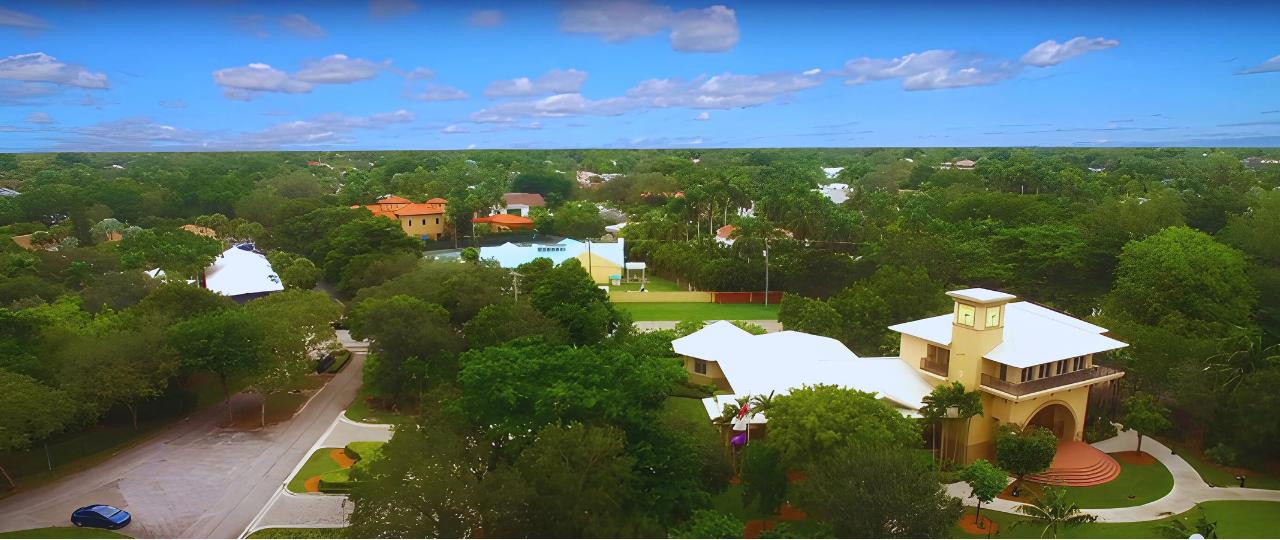
Palmetto Bay, Miami, Florida - EVERYTHING You Want to Know
Jump on this virtual rendezvous across the BEST of Palmetto Bay, where you'll be priv...
.png)
The Ultimate Guide to Miami-Dade's Top 25 Gated Communities for Single-Family Homes
Discover Miami's top gated communities in this essential guide for luxury home buyers...
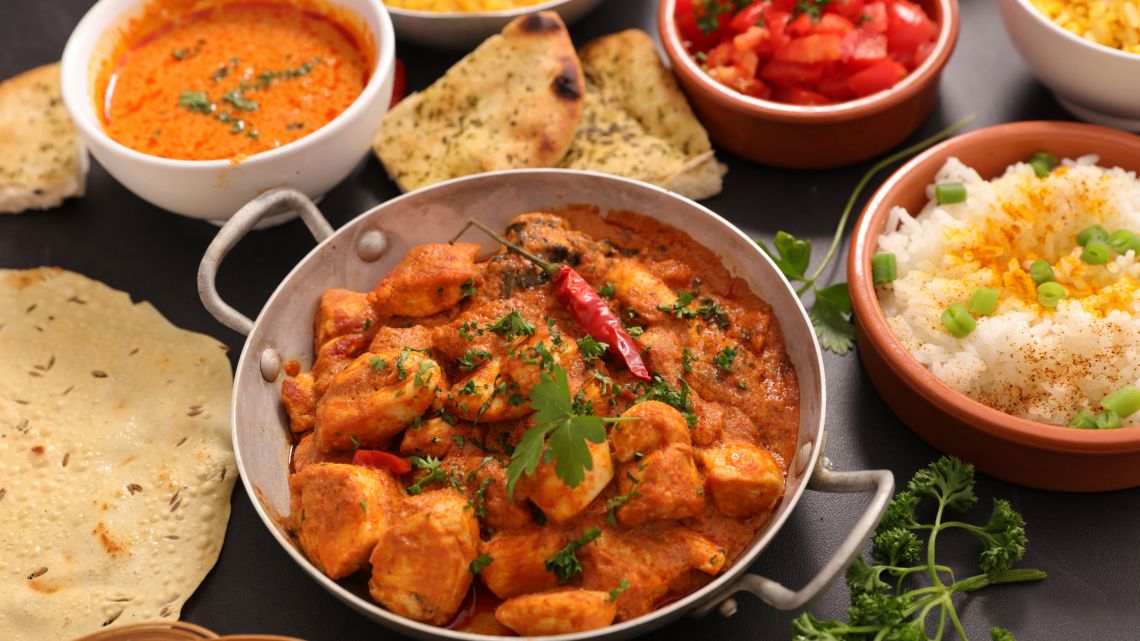
Miami's BEST Restaurants in EVERY Neighborhood
Check out the absolute BEST restaurants in every neighborhood of Miami, including the best...
Selling Your Home?
Who are we?
We are the ALL IN Miami Group out of Miami.
We are Colombian, Filipino, Cuban, German, Japanese, French, Indian, Syrian, and American.
We are Christian, Hindu, and Jewish.
We are many, but we are one.
We sell luxury homes in Miami, Florida.
Although some of our clients are celebrities, athletes, and people you read about online, we also help young adults find their first place to rent when they are ready to live on their own.
First-time buyers?
All the time!
No matter what your situation or price range is, we feel truly blessed and honored to play such a big part in your life.