



Opa-Locka, Miami — A Cheat Sheet for Buyers, Visitors, & the Curious

Amit Bhuta
I use non-traditional marketing to inspire the most motivated buyers to pay the max for Miami luxury homes...
I use non-traditional marketing to inspire the most motivated buyers to pay the max for Miami luxury homes...
Minarets, domes, and street names inspired by Arabian tales are set against warehouses, flight paths, and working-class streets, defining the contrast that shapes Opa-locka.
Created as a themed city inspired by One Thousand and One Nights, this pocket of North Miami-Dade still carries fragments of that vision, even today as a practical, no-frills market shaped by aviation, industry, and affordability.
Opa-Locka is one of the few places in Miami where a historic fantasy concept and a reality-driven housing market collide, which explains why it continues to attract attention from buyers and investors curious about this under-the-radar yet compelling community.
This guide saves you time by exploring Opa-Locka’s different layers, from pricing and property types to safety, redevelopment, and the influence of the airport economy.
What does that actually mean for someone looking to buy, live, or invest in Opa-Locka?
Here's what you need to know about living in, visiting, and understanding Opa-Locka.
-topaz-upscale-2.1x.jpeg?w=1140)
LIVING IN OPA-LOCKA
What is Opa-locka known for in Miami-Dade County?
Opa-locka is best known for combining two elements that rarely exist simultaneously: a highly distinctive architectural identity and a complex municipal reputation.
Founded in 1926 by aviation pioneer Glenn Curtiss, the city was designed around an Arabian Nights-inspired Moorish theme, which is still present through domes, minarets, arches, and uniquely named streets such as Ali Baba Avenue and Sharazad Boulevard.
This visual identity sets Opa-locka apart from other lower-cost areas in Miami-Dade, even as the city functions today as a practical, working-class market shaped by aviation, industry, and affordability.
Is Opa-locka a city or an unincorporated area?
Opa-locka is an incorporated city, not an unincorporated neighborhood within Miami-Dade County.
This distinction matters because zoning, permitting, code enforcement, and local services are handled through the city government rather than solely by the county.
The city operates under a commission and city manager system, which directly influences how policies are implemented and how efficiently development, compliance, and municipal operations are handled.
Where exactly is Opa-locka located within Miami-Dade?
Opa-locka is located in north-central Miami-Dade County, positioned between Miami Gardens, Hialeah, and North Miami Beach.
It has access to major transportation routes, such as I-95, the Palmetto Expressway, and the Florida Turnpike, which make it functionally connected to other parts of the county.
Its location near industrial corridors, logistics hubs, and aviation facilities plays a significant role in shaping both its economy and its residential character, making it more practical than lifestyle-oriented.
Why does Opa-locka have Moorish-style architecture?
The city’s design was intentionally built around a fantasy concept inspired by One Thousand and One Nights during the 1920s land boom.
Glenn Curtiss and architect Berhardt Muller envisioned a themed city that followed a Moorish Revival style in architecture, street names, and public buildings.
This concept remains one of Opa-locka's most defining features and continues to distinguish it from nearly every other municipality in South Florida.
Is Opa-locka safe to live in?
Safety is an important concern when evaluating Opa-locka, and it requires a realistic, location-specific approach.
The city has long carried a reputation for higher crime levels and municipal challenges, and that perception still affects buyer confidence today.
However, conditions are not uniform across the entire city, and some blocks with stronger ownership, better maintenance, and less proximity to industrial activity can feel noticeably more stable than others.
For anyone planning to live in Opa-locka, evaluating the exact street, surrounding properties, and overall neighborhood condition is essential rather than relying on general citywide assumptions.
Are there better and worse parts of Opa-locka for buyers?
Yes, and this is one of the most important factors affecting both livability and long-term value.
Areas with a higher concentration of owner-occupied homes, fewer vacant or distressed properties, and less exposure to industrial or airport-related activity tend to feel more stable and desirable.
In contrast, properties in heavily trafficked corridors, warehouse zones, or clusters of neglected homes may experience additional variability in both pricing and demand.
This makes micro-location critical in Opa-locka, as two homes with similar features can perform very differently depending on their immediate surroundings.
How much do homes cost in Opa-locka right now?
Opa-locka remains one of the more affordable ownership markets in Miami-Dade County, although prices have increased from historically lower levels.
Most homes fall roughly between $350,000 and $550,000, depending on size, condition, and location.
Smaller or more dated properties may still be in the mid-$300,000 range, while updated homes or larger layouts can reach $600,000 or more.
Pricing is heavily influenced by property condition and neighborhood quality more than square footage alone.
Why are homes in Opa-locka cheaper than many other parts of Miami-Dade?
Lower prices reflect a combination of perceived risk factors and market realities.
These include the city’s long-standing reputation, older housing stock, uneven property maintenance, and lower demand from traditional end users compared to more established suburban areas.
Buyers are essentially trading a lower purchase price for due diligence, variability, and the need to evaluate property condition and location more carefully.
What types of homes are common in Opa-locka?
The housing stock comprises older single-family homes, duplexes, and small multifamily properties.
Most homes range from approximately 900 to 1,800 square feet with two to four bedrooms.
Some properties have been modified or expanded over time, adding variability in layout, quality, and permit compliance.
What is the typical lot size in Opa-locka?
Lot sizes are generally modest, typically ranging from about 4,000 to 7,500 square feet.
However, variation depends on the original subdivision layout and specific location within the city.
Some older parcels may be slightly larger, but most fall within this general range.
Are most homes in Opa-locka updated or still in their original condition?
Many homes have received cosmetic updates, but structural systems such as roofing, plumbing, electrical, and windows may still be older.
This means buyers should not rely solely on a property's visual appearance.
A thorough inspection and verification of upgrades is essential to understand the true condition and long-term cost of ownership.
Are code violations and unpermitted work common in Opa-locka?
Because of the age of the housing stock and the level of investor activity, some properties may include unpermitted additions or incomplete renovations.
These can include converted spaces, added rooms, or upgrades that were not properly documented.
Buyers should always review permit history and check for open violations, as unresolved issues can impact financing, insurance eligibility, and future resale.
Is Opa-locka a good place for first-time buyers?
Opa-locka can be a viable option for first-time buyers focused on affordability and who are comfortable handling older properties.
It may work well for buyers willing to invest time into inspections, repairs, and understanding the local market conditions.
However, it is generally not ideal for buyers looking for a turnkey home or a highly predictable, low-risk environment.
Is Opa-locka a good place to invest in real estate?
Opa-locka attracts investors with its relatively low entry prices and potential for value-add improvements.
Older homes can sometimes be purchased at a discount and improved through renovation or repositioning.
However, investment success depends heavily on property selection, accurate cost estimation, and effective management, as this is not a passive or low-risk market.
Is Opa-locka popular with investors and house flippers?
Yes, particularly because there is a visible gap between distressed properties and renovated homes.
This creates opportunities for investors who can identify undervalued properties and execute improvements effectively.
At the same time, projects that underestimate repair costs, permitting issues, or market demand can quickly become unprofitable.
Can you easily rent out properties in Opa-locka?
Rental demand in Opa-locka is supported by its affordability and working-class population.
Typical rents range from approximately $1,800 to $2,000, depending on property size and condition.
This pricing can translate into relatively strong rental yields compared to purchase prices, but results depend heavily on tenant quality, property management, and ongoing maintenance.
How much are property taxes in Opa-locka?
Property taxes typically range from approximately 1.8% to 2.2% of assessed value, depending on exemptions and reassessment history.
Actual tax amounts can vary significantly based on when the property was last sold and whether homestead exemptions apply.
Buyers should always verify the exact tax record for any property they are considering.
Is Opa-locka in a flood zone, and do buyers need flood insurance?
Flood zone designation varies by property; some areas are within FEMA-designated flood zones, while others are not.
Buyers should verify the flood zone status of each specific property, as this can directly affect insurance requirements and long-term ownership costs.
Even though Opa-locka is not a coastal community, flood insurance may still be required depending on the location.
What should buyers expect for insurance costs in Opa-locka?
Insurance costs can be higher than expected due to the age of many homes.
Factors such as roof condition, electrical systems, plumbing, and storm protection all influence premiums.
Buyers should include insurance costs as a key part of their total ownership calculation rather than focusing on purchase price.
What kind of residents live in Opa-locka?
Opa-locka is primarily a working-class community with a mix of long-term residents, renters, and investors.
Many residents are connected to nearby industrial, logistics, and service-based jobs, which shape the area's overall character.
What schools serve Opa-locka?
Schools in and around Opa-locka include Dr. Robert B. Ingram/Opa-locka Elementary School, Nathan B. Young Elementary School, Rainbow Park Elementary School, Jann Mann Educational Center, Beacon College Prep Middle School, and North Park High School Charter.
These schools offer a mix of public and charter options, from elementary through high school.
For families, it is important to verify zoning and evaluate individual school performance rather than relying on general assumptions about the area.
You may also visit Best Schools in Opa-Locka for more information on the private and public schools in the area.
What is daily life in Opa-locka like?
Daily life in Opa-locka is centered on work, commuting, and routine activities rather than lifestyle-driven amenities.
The area functions more as a practical residential environment tied to nearby employment centers than as a destination neighborhood.
Residents typically prioritize affordability and location over entertainment or curated surroundings.
Is Opa-locka more residential or industrial?
Opa-locka is a mix of both residential and industrial uses.
While there are clear residential neighborhoods, the city is heavily influenced by nearby warehouses, logistics operations, and airport activity.
This combination contributes to a more utilitarian, function-driven environment
What is the commute like from Opa-locka?
The location is convenient for those working in North Miami-Dade, Hialeah, and nearby industrial or logistics areas.
Commuting to central or coastal destinations such as Downtown Miami, Brickell, or Miami Beach can take significantly longer, especially during peak traffic hours.
Overall, commute times vary widely depending on destination and time of day.
What is Miami-Opa Locka Executive Airport, and does it affect the area?
Miami-Opa Locka Executive Airport is a major general aviation airport that plays a significant role in the local economy.
It supports aviation services, logistics operations, and related industries, contributing to employment and development in the area.
Its presence also influences surrounding land use and contributes to the city's overall character.
-topaz-upscale-2.1x.jpeg?w=1140)
VISITING OPA-LOCKA
What does Opa-locka feel like when you visit?
Opa-locka feels more functional and industrial compared to most Miami neighborhoods.
Visitors will notice a mix of older residential areas, industrial activity, and historic architectural elements, offering a unique yet uneven visual experience.
It does not present itself as a polished destination, but rather as a working community with a distinct identity.
Are there historic landmarks or unique architecture in Opa-locka?
Yes, Opa-locka is known for its Moorish-style architecture, which includes domed buildings, arches, and historically themed structures.
Some civic and historic buildings still reflect the city’s original 1920s design concept.
This architectural identity is one of Opa-locka's most unique aspects and distinguishes it from other areas in South Florida.
Is Opa-locka a tourist destination?
Opa-locka is not considered a traditional tourist destination.
While its architecture may attract niche interest, it does not offer the entertainment, dining, or curated experiences typically associated with visitor-focused areas in Miami.
For a typical day around Opa-locka, visit Top 5 Things to Do in Opa-Locka.
What businesses or commercial areas are near Opa-locka?
The area is supported primarily by industrial, logistics, and aviation-related businesses.
For larger retail, dining, and commercial activity, residents and visitors often travel to nearby areas such as Hialeah or Miami Gardens.
Check out Top 5 Shopping Spots Near Opa-Locka and Top 5 Places to Eat in Opa-Locka for more information.
-topaz-upscale-2.1x.jpeg?w=1140)
UNDERSTANDING OPA-LOCKA
Why does Opa-locka have the reputation it has?
Opa-locka’s reputation is shaped by a combination of crime concerns, economic challenges, and past governance issues.
These factors have influenced how both residents and outsiders view the area over time.
At the same time, that reputation can oversimplify reality, as conditions vary significantly from one part of the city to another.
Has Opa-locka had financial or management problems in the past?
Yes, including a state-declared financial emergency in 2016.
This period highlighted governance and financial management challenges that still shape public perception of the city today.
Is Opa-locka improving or undergoing redevelopment?
There is ongoing redevelopment activity, particularly tied to the airport and surrounding infrastructure.
Investments in aviation and logistics continue to bring economic activity to the area.
However, improvement is gradual and not uniform across the city, so some areas may see change faster than others.
Are there new construction homes or developments in Opa-locka?
New construction is relatively limited compared to other parts of Miami-Dade.
Most activity is focused on renovating or repurposing existing homes rather than building large new residential communities.
How does Opa-locka compare to nearby areas?
Opa-locka is generally more affordable than nearby communities, but it also carries more perceived risk and variability.
Compared to areas like Hialeah or Miami Gardens, it tends to attract more investors and fewer traditional end users.
What are the biggest risks of buying in Opa-locka?
The main risks include property condition issues, location variability, and the need for careful management.
Buyers may also face challenges related to permitting, repairs, and resale, depending on the property.
Understanding these risks is essential to making an informed purchase decision.
What are the biggest opportunities for buying in Opa-locka?
The primary opportunity is the lower entry price compared to other parts of Miami-Dade.
For buyers who can manage renovations or rental properties effectively, there is income generation or long-term appreciation potential.
Success depends on selecting the right property and managing it properly.
Does Opa-locka have waterfront homes or boating access?
Opa-locka is not a waterfront community and does not offer boating access or canal systems connected to the ocean.
Its identity is based on inland residential and industrial land rather than waterfront lifestyle features.
Who should consider buying in Opa-locka?
Opa-locka may be suitable for buyers who prioritize affordability and are comfortable evaluating risk.
This includes investors, value-focused buyers, and individuals familiar with navigating older housing markets.
Who should avoid buying in Opa-locka?
Buyers seeking a highly stable, low-maintenance, or prestige-driven environment may find Opa-locka unsuitable.
It is also not ideal for those unwilling to conduct detailed due diligence on property condition and neighborhood quality.
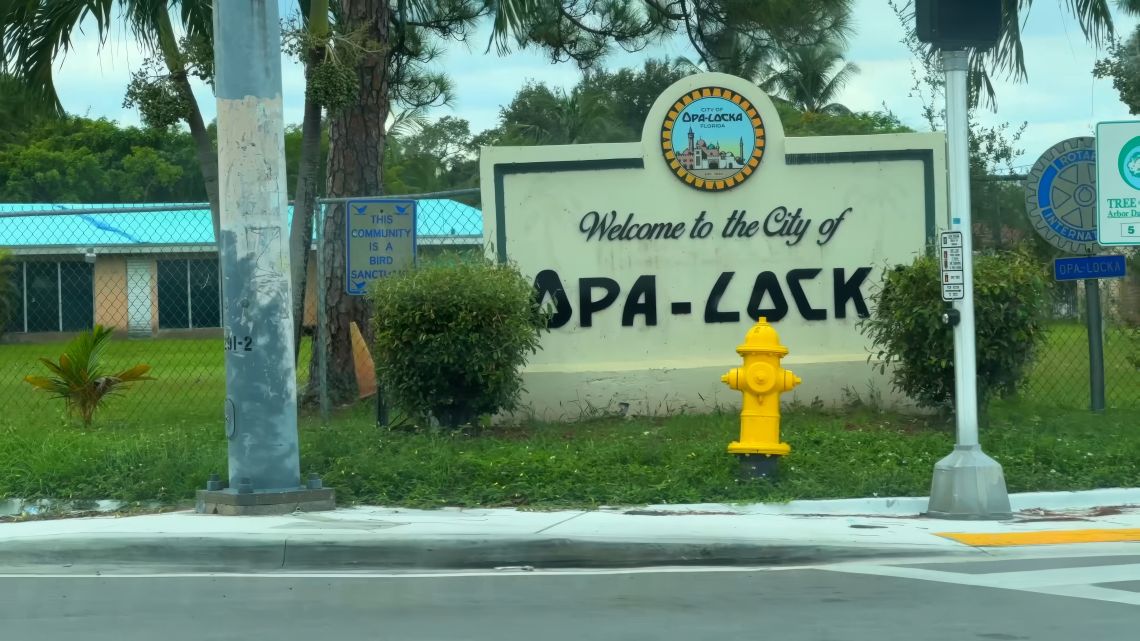
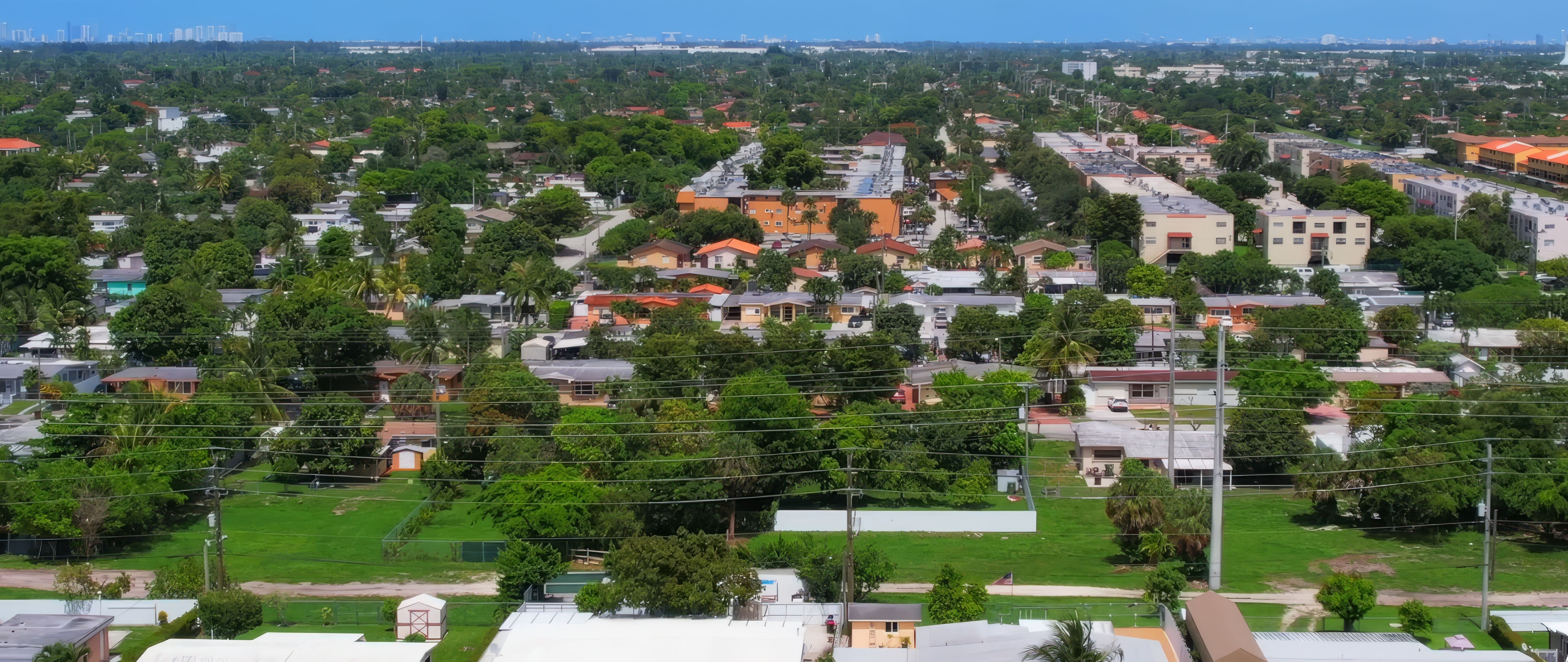
Opa-Locka, Miami, Florida - EVERYTHING You Want to Know
Get cozy with popcorn, pastries, or a big mug of coffee, and buckle up for a virtual magic...
.png)
The Ultimate Guide to Miami-Dade's Top 25 Gated Communities for Single-Family Homes
Discover Miami's top gated communities in this essential guide for luxury home buyers...


Miami's BEST Restaurants in EVERY Neighborhood
Check out the absolute BEST restaurants in every neighborhood of Miami, including the best...
Selling Your Home?
Who are we?
We are the ALL IN Miami Group out of Miami.
We are Colombian, Filipino, Cuban, German, Japanese, French, Indian, Syrian, and American.
We are Christian, Hindu, and Jewish.
We are many, but we are one.
We sell luxury homes in Miami, Florida.
Although some of our clients are celebrities, athletes, and people you read about online, we also help young adults find their first place to rent when they are ready to live on their own.
First-time buyers?
All the time!
No matter what your situation or price range is, we feel truly blessed and honored to play such a big part in your life.