



Palm Island | Hibiscus Island, Miami — A Cheat Sheet for Buyers, Visitors, & the Curious

Amit Bhuta
I use non-traditional marketing to inspire the most motivated buyers to pay the max for Miami luxury homes...
I use non-traditional marketing to inspire the most motivated buyers to pay the max for Miami luxury homes...
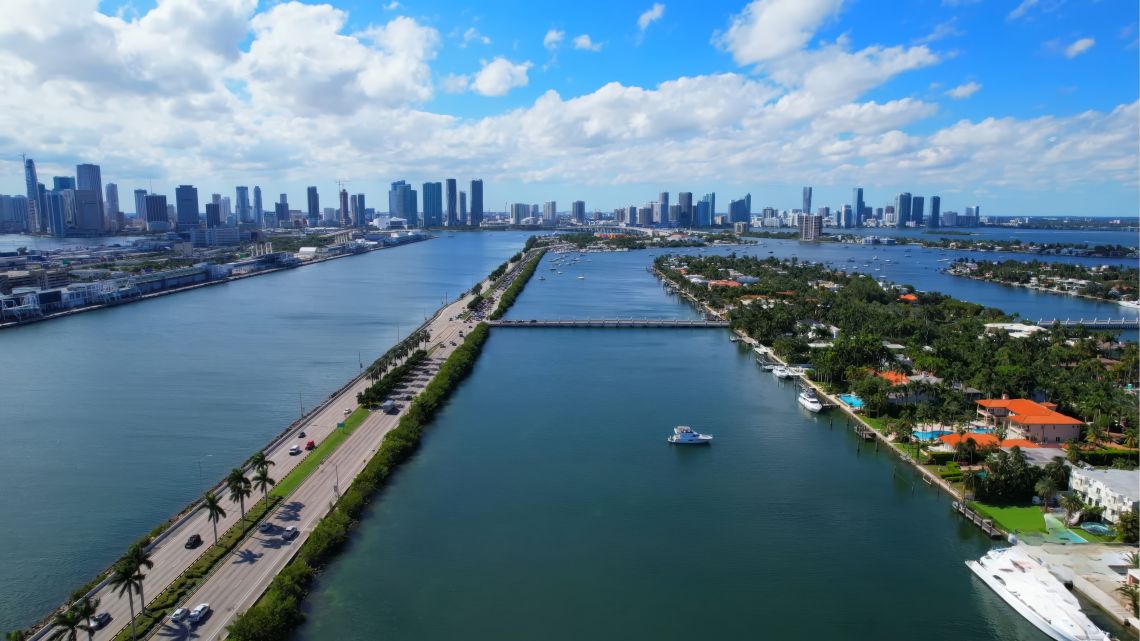
Driving east on the MacArthur Causeway toward South Beach, it’s common for people to glance to the left and assume they’re looking at Star Island, when in reality, it’s Palm Island, with Hibiscus Island to its north, two of the most exclusive waterfront communities in Miami Beach.
It’s an easy mistake to make.
Even longtime Miami locals fall into this habit, largely because Star Island tends to dominate media attention and tourist curiosity.
But while Star Island may carry the name recognition, Palm Island and Hibiscus Island are undoubtedly in the same tier of waterfront living, offering guarded access, large estate lots, and direct Biscayne Bay frontage just minutes from both Miami Beach and Downtown.
That difference between perception and reality is where the most important questions begin, especially in pricing, security, waterfront access, and how these two islands compare not only to Star Island but to each other within the Miami luxury real estate market.
This guide sheds some light on these topics, so you can understand what Palm Island and Hibiscus Island offer beyond what can be assumed from a distance.
Here's what you need to know about living in, visiting, and understanding the Palm and Hibiscus Islands.
-topaz-upscale-2.1x.jpeg?w=1140)
LIVING IN PALM ISLAND | HIBISCUS ISLAND
What is it like living on Palm Island and Hibiscus Island compared to other Miami Beach neighborhoods?
Living on Palm Island and Hibiscus Island is centered on privacy, security, and waterfront estate living rather than density, nightlife, or walkability.
Unlike South Beach or even the Venetian Islands, these communities are guard-gated and significantly more controlled, with limited access and no through traffic.
Daily life is quieter and more residential, just minutes from major areas like Downtown Miami and Miami Beach.
Are Palm Island and Hibiscus Island considered private or exclusive communities?
Palm Island and Hibiscus Island are among the most exclusive residential areas in Miami Beach due to their guard-gated access, limited number of homes, and waterfront positioning.
Both islands restrict entry through a staffed gate, and only residents, guests, and approved visitors are allowed inside.
The combination of security, location, and property size contributes to their reputation as high-end, private communities.
Who typically lives on Palm Island and Hibiscus Island?
Residents typically include high-net-worth individuals, business owners, executives, and international buyers.
Many properties are primary residences, while others serve as second homes or seasonal properties.
While owner-occupancy is high, there is also luxury rental use, depending on property and zoning compliance.
Is this area primarily full-time residents or second homes?
Both islands have a mix of full-time residents and second-home owners, with a noticeable percentage of seasonal occupancy.
Some homes remain vacant for parts of the year, particularly among international owners.
However, the presence of full-time residents contributes to neighborhood stability and consistent upkeep.
Are Palm Island and Hibiscus Island gated or guard-secured?
Both islands are accessed through a single guarded entrance with 24/7 security personnel.
Entry is monitored, and visitors must be approved or logged in before gaining access.
Security presence is a defining feature of both communities.
How does security affect daily access, deliveries, and guests on the Palm and Hibiscus Islands?
All visitors, including delivery drivers, service providers, and guests, must pass through the guard gate before entering the islands.
Residents can pre-authorize guests or provide access instructions, which helps streamline entry.
While this adds an extra step, it significantly enhances privacy and reduces unwanted traffic.
What types of homes are found on Palm Island and Hibiscus Island?
Both islands are dominated by large single-family waterfront estates, with a mix of older homes, renovated properties, and new construction.
Architectural styles range from Mediterranean and transitional to modern and ultra-contemporary designs.
There are no condos or dense multifamily developments on either island.
How large are homes and lots on Palm Island and Hibiscus Island?
Lot sizes typically range from approximately 10,000 square feet to over 30,000 square feet, depending on location and waterfront positioning.
Interior lots tend to be smaller, while prime waterfront properties offer larger parcels with extended frontage.
Homes often range from 4,000 to over 15,000 square feet of living space.
How much waterfront frontage do homes typically have on Palm Island and Hibiscus Island?
Waterfront homes typically range from 60 to over 150 feet of waterfrontage.
Properties with wider frontage are significantly more valuable due to increased docking capacity and unobstructed views.
Wide-bay lots are especially sought after for their open water exposure.
Are homes on Palm Island and Hibiscus Island mostly new construction or older properties?
Many homes on both islands were built decades ago, but have since been renovated or replaced with new construction.
Tear-down and rebuild activity is common, especially for buyers looking to maximize lot potential.
Newer homes often feature modern layouts, larger square footage, and updated waterfront amenities.
Can you rebuild or develop larger homes on Palm Island and Hibiscus Island?
Yes, redevelopment is common, but it must comply with Miami Beach zoning regulations, including height limits, setbacks, and lot coverage restrictions.
Buyers often purchase older homes specifically for redevelopment opportunities.
Working with architects and local zoning guidelines is essential to maximizing building potential.
How much do homes cost on Palm Island and Hibiscus Island?
Home prices typically start around $5 million for smaller or interior properties and can exceed $40 million for large waterfront estates.
Mid-range waterfront homes typically range between $10 million and $25 million, depending on size, frontage, and condition.
New construction or wide-bay estates command the highest prices.
What is the price per square foot or lot value on these islands?
Price per square foot commonly ranges from approximately $1,500 to over $3,500, depending on property condition and location.
In many cases, land value plays a significant role, with waterfront lots valued based on frontage and positioning rather than interior space.
Tear-down properties are often purchased primarily for land value.
Do prices differ between Palm Island and Hibiscus Island?
Palm Island generally commands slightly higher prices due to its larger size, wider lots, and higher concentration of ultra-luxury estates.
Hibiscus Island also features high-end properties but may offer slightly lower entry points in some cases.
Both islands remain within the same luxury market segment.
Are all homes waterfront on Palm Island and Hibiscus Island?
No, both islands include a mix of waterfront and interior homes.
Waterfront properties are significantly more expensive and offer direct access to Biscayne Bay.
Interior homes do not have water access, but still benefit from the same gated, private environment.
Do homes have direct ocean or bay access on Palm Island and Hibiscus Island?
Most waterfront homes have direct access to Biscayne Bay, which connects to the Atlantic Ocean.
This allows for boating access without long inland navigation routes.
Water depth and positioning vary by property.
Are there bridge restrictions for boats on Palm Island and Hibiscus Island?
There are no fixed bridge height restrictions when accessing Biscayne Bay from these islands.
This makes them suitable for larger vessels compared to canal-based neighborhoods with clearance limits.
However, dock size and water depth still influence boat capacity.
What types of boats can be docked on these islands?
Depending on frontage and dock configuration, homes can accommodate boats ranging from smaller vessels to large yachts exceeding 80 feet.
Wide-bay properties with deeper water allow for larger boats and easier maneuverability.
Dock specifications vary by property.
Do Palm Island and Hibiscus Island homes typically include private docks and boat lifts?
Most waterfront homes include private docks, and many also feature boat lifts.
Dock size and infrastructure depend on property frontage and previous development.
Upgrades or modifications may require permits.
What zoning rules apply on Palm Island and Hibiscus Island?
Both islands fall under Miami Beach residential zoning, primarily allowing single-family homes.
Zoning regulations control building height, lot coverage, and setbacks.
These rules are important for both new construction and renovations.
Are short-term rentals allowed on Palm Island and Hibiscus Island?
Short-term rentals are generally restricted under Miami Beach regulations.
Most properties are intended for long-term residential use.
Buyers interested in rental use should confirm current local rules.
What are property taxes like on Palm Island and Hibiscus Island?
Property taxes typically range from approximately 1.8% to 2.2% of assessed value.
For luxury homes, this can result in annual taxes ranging from $100,000 to over $500,000, depending on valuation.
Homestead exemptions may apply to primary residents.
How much is insurance for waterfront homes on these islands?
Insurance costs are significantly higher for waterfront homes than inland properties due to waterfront exposure and home value.
Annual premiums can range from $15,000 to over $100,000 depending on construction, elevation, and coverage levels.
Windstorm and flood coverage are major cost components.
Are there HOA fees on Palm Island or Hibiscus Island?
There is no traditional HOA structure on either island.
However, residents may contribute to community or security-related expenses.
The absence of strict HOAs provides more flexibility for homeowners.
How close are Palm Island and Hibiscus Island to key areas?
Both islands are located between Miami Beach and Downtown Miami.
Travel time to South Beach is typically around 5 to 10 minutes.
Brickell and Downtown Miami are usually within 10 to 15 minutes, depending on traffic.
Miami International Airport is approximately 20 to 25 minutes away.
Does traffic affect access to the islands?
Traffic is generally limited to entry points and surrounding causeways.
During peak hours, congestion may occur on MacArthur Causeway.
Once inside the islands, traffic is minimal due to restricted access.
VISITING PALM ISLAND | HIBISCUS ISLAND
What is daily life like on Palm Island and Hibiscus Island?
Daily life is quiet, private, and centered around the home rather than external amenities.
Most activity happens within individual properties, especially for waterfront homes with outdoor spaces.
The environment is residential and low-traffic.
Is there anything to do on the islands themselves?
The islands do not have commercial areas, restaurants, or retail spaces.
They are strictly residential communities.
Residents leave the islands for most services and entertainment.
For a typical day on the Palm and Hibiscus Islands, visit Top 5 Things to Do on Palm Island | Hibiscus Island.
Where do residents go for dining, shopping, and entertainment?
Residents typically go to South Beach, Sunset Harbour, Brickell, or Downtown Miami.
These areas offer restaurants, retail, nightlife, and services within a short drive.
Accessibility to these hubs is a major advantage of the islands’ location.
For more information, check out Top 5 Shopping Spots Near Palm Island | Hibiscus Island, and Top 5 Places to Eat Near Palm Island | Hibiscus Island.
Is boating and outdoor living a major part of the lifestyle?
Yes, waterfront living is a central feature of daily life on both islands.
Many homes are designed around outdoor spaces, including pools, docks, and terraces.
Boating is common among waterfront homeowners.
-topaz-upscale-2.1x.jpeg?w=1140)
UNDERSTANDING PALM ISLAND | HIBISCUS ISLAND
What is the difference between Palm Island and Hibiscus Island?
Palm Island is larger and generally features wider lots and more ultra-luxury estates.
Hibiscus Island is slightly smaller but still offers similar waterfront properties and exclusivity.
Palm Island tends to command slightly higher prices overall.
Are Palm Island and Hibiscus Island good long-term investments?
Both islands are considered strong long-term investments due to limited supply, prime location, and high demand.
Waterfront land scarcity plays a major role in value retention.
Luxury market fluctuations may occur, but long-term positioning remains strong.
Why are these islands considered some of the most exclusive in Miami Beach?
Their exclusivity stems from limited inventory, guarded access, and waterfront positioning near major city centers.
Few neighborhoods combine privacy, security, and a central location at this level.
This makes them highly desirable among luxury buyers.
How do they compare to Star Island or the Venetian Islands?
Star Island is generally more exclusive and commands higher prices due to celebrity presence and larger estates.
Venetian Islands offer a mix of luxury and more accessible homes with greater connectivity.
Palm and Hibiscus Islands sit between these, offering strong privacy with slightly broader access.
Are homes being redeveloped or replaced on these islands?
Yes, redevelopment is common, with many older homes being replaced by modern estates.
This trend reflects buyer demand for larger, newer properties with updated features.
New construction continues to reshape both islands.
Who should consider buying on Palm Island or Hibiscus Island?
These islands are best suited for buyers seeking privacy, security, and waterfront living close to Miami Beach and Downtown.
They appeal to those prioritizing space, exclusivity, and boating access.
Who might not find these islands a good fit?
Buyers seeking walkability, nightlife within the neighborhood, or lower maintenance living may not find these islands ideal.
They are also not suited for those seeking more affordable or high-density housing options.
-topaz-upscale-2.1x.jpeg?w=1140)
%20(42).png)
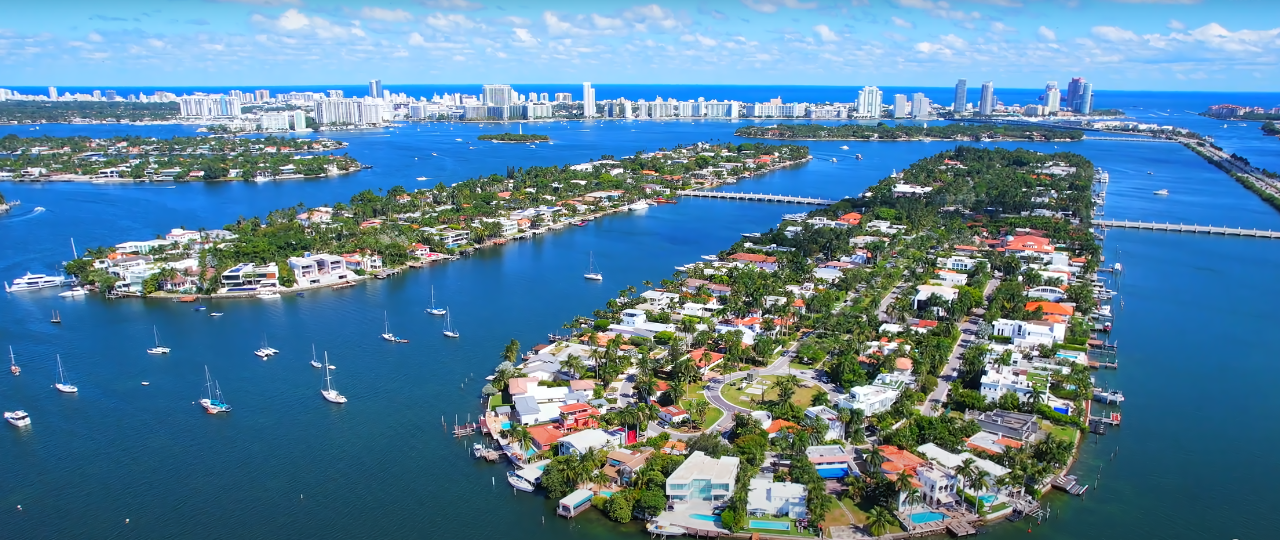
Palm Island| Hibiscus Island, Miami, Florida - EVERYTHING You Want to Know
Join us for an exciting escapade across the nooks and crannies of the Palm and Hibiscus Is...
.png)
The Ultimate Guide to Miami-Dade's Top 25 Gated Communities for Single-Family Homes
Discover Miami's top gated communities in this essential guide for luxury home buyers...
Miami's BEST Restaurants in EVERY Neighborhood
Check out the absolute BEST restaurants in every neighborhood of Miami, including the best...
Selling Your Home?
Who are we?
We are the ALL IN Miami Group out of Miami.
We are Colombian, Filipino, Cuban, German, Japanese, French, Indian, Syrian, and American.
We are Christian, Hindu, and Jewish.
We are many, but we are one.
We sell luxury homes in Miami, Florida.
Although some of our clients are celebrities, athletes, and people you read about online, we also help young adults find their first place to rent when they are ready to live on their own.
First-time buyers?
All the time!
No matter what your situation or price range is, we feel truly blessed and honored to play such a big part in your life.