



Who Lives in Palmetto Bay? (It's Not Who You Think!)

Amit Bhuta
I use non-traditional marketing to inspire the most motivated buyers to pay the max for Miami luxury homes...
I use non-traditional marketing to inspire the most motivated buyers to pay the max for Miami luxury homes...
Where else can someone own a six-figure car and still find themselves emotionally invested in different fertilizer types quite like Palmetto Bay?
Sure, the neighborhood is often compared to a gorgeous suburban waiting room where everybody owns patio furniture, knows their neighbors, and falls asleep before 10 PM without feeling cheated by life.
Still, no one can deny that it represents peak suburban adulthood: quiet streets, early bedtimes, school pickup lines, backyard birthday parties, and enough family-oriented stability to make even the most chaotic Miami resident briefly wonder if peace might actually be worth it.
The ultimate proof? ChatGPT ranked it the #1 neighborhood in Miami.
But hold your horses — before you start preparing your “that place is boring” speech, scroll down and see why these groups would not trade life in Palmetto Bay for anywhere else.
Here are the five types of buyers you’ll meet in Palmetto Bay.
 (39).png?w=1140)
1) The “We Need a Backyard Before We End Up on Dateline” Families
Once children enter the picture, smaller Miami homes already anticipate a specific type of argument.
It usually begins with somebody stepping on a toy for the fourth time that day and ends with both parents browsing Zillow at midnight while pretending they are “just looking, " which is how most families end up in Palmetto Bay.
Buyers in this category are in their early 30s and late 40s, and they are usually coming from condos, tighter neighborhoods, or houses where everybody technically fits, but nobody has enough room to exist peacefully for extended periods.
In Palmetto Bay, they start prioritizing things they once swore sounded boring.
Backyards.
Driveways.
Storage closets.
Laundry rooms with doors.
Trees large enough to create actual shade instead of emotional support shade.
This group almost always targets larger single-family homes with multiple bedrooms, family-centered layouts, pools, fenced yards, and enough outdoor space for children to burn energy without destroying the house by 3 PM.
And while schools are absolutely part of the decision, the bigger motivation is often lifestyle sustainability.
These buyers are trying to build a version of family life that's calmer, healthier, and less compressed than what much of Miami currently offers.
Palmetto Bay works for them because the groceries fit, the kids are spread out, the dog finally has a yard, and nobody has to coordinate elevator schedules just to unload Costco water packs anymore.
At that point, suburban peace stops sounding boring and starts sounding effortlessly intelligent.
 (40).png?w=1140)
2) The “I Used to Pay $4K to Hear Motorcycles at Midnight” Refugees
Nobody talks enough about how many former Brickell residents move to Palmetto Bay like survivors escaping a highly expensive social experiment.
These buyers are usually between their early 30s and early 50s, and most of them genuinely loved urban Miami at one point.
Until they didn’t.
At first, the noise felt exciting.
The density felt energetic.
The luxury towers felt aspirational.
Then one day, they found themselves paying absurd amounts of money to hear strangers arguing in hallways, motorcycles revving at midnight, construction beginning before sunrise, and somebody hosting what sounded like an indoor nightclub rendezvous directly above them on a Tuesday.
So this group gravitates toward renovated ranch homes, contemporary single-family residences, gated properties, or large-lot homes with pools and covered terraces in Palmetto Bay.
Their entire emotional goal is decompression.
They still want comfort and quality, but they no longer want to tolerate the chaos of city life at all times.
Sure, they might be people who once bragged about rooftop lounges who suddenly become deeply passionate about gardening stores, outdoor furniture, irrigation systems, and whether the mango tree “looks healthier this season.”
But it's hard to resist when Palmetto Bay has a strange ability to turn former urban chaos addicts into people who voluntarily sit outside to listen to birds and consider that a successful evening.
 (41).png?w=1140)
3) The “Why Vacation When We Built a Resort?” Households
Some people buy homes in Palmetto Bay and then immediately begin acting as if the backyard is a private hospitality project with a dangerously flexible budget.
These buyers are usually between their late 30s and late 50s, financially comfortable, home-oriented, and deeply committed to the idea that if they are paying this much for South Florida real estate, the house should at least feel like somewhere they would willingly spend an entire weekend.
They are not looking for tiny patios with two chairs pretending to be outdoor living.
They want pools large enough for (extended) family gatherings, covered terraces with full-sized outdoor kitchens, built-in grills, oversized dining tables, TVs mounted outside for football season, and enough backyard lighting to make the property visible from low orbit.
These households specifically target estate-style homes, corner-lot properties, Mediterranean homes, updated ranch estates, or larger luxury residences hidden behind hedges and mature landscaping.
And unlike buyers obsessed with showing off publicly, this group spends most of its money inward.
They care less about being seen and more about creating a home nobody wants to leave.
These are the houses where birthdays turn into twelve-hour events.
Where somebody’s uncle inevitably falls asleep near the pool after eating too much churrasco.
Where “just a few people coming over” evolves into thirty-seven relatives, two coolers, and a Bluetooth speaker battling for survival against screaming children by sunset.
For this group, Palmetto Bay is a dream because it supports home-centered living exceptionally well.
The lots are larger.
The streets are quieter.
Oh, and nobody is filing a complaint because cousins laughed too loudly near the grill at 9:42 PM.
 (42).png?w=1140)
4) The Hydrangeas-and-Hidden-Wealth Society
We all know that wealthy people move to Palmetto Bay, but they're the type who're trying their hardest not to look wealthy all the time.
These buyers are often between their 40s and late 60s and usually have enough money to live in flashier parts of Miami if they wanted to, but they're willing to give up the fancy zip code if it means saying goodbye to public performance.
This group gravitates toward elegant but understated homes hidden behind landscaping, tree canopies, long driveways, and privacy hedges.
The houses are often large, beautifully maintained, and expensive in ways only other financially comfortable adults immediately recognize.
Nothing screams for attention.
The luxury is hidden inside the details: custom kitchens, sprawling outdoor spaces, carefully maintained gardens, impact windows, wine fridges, and garages containing cars nobody is allowed to post online.
These residents genuinely enjoy routine, too.
They wake up early voluntarily, know their landscaper by name, become disproportionately invested in lawn quality after buying property in Palmetto Bay, and manage to make grocery shopping at Milam’s look spiritually restorative instead of psychologically draining.
Palmetto Bay appeals to them because the neighborhood allows wealth to feel intimate.
They realize it's the best way to enjoy it.
 (43).png?w=1140)
5) The “Somebody Just Added Three More Chairs to the Dinner Table” Households
Palmetto Bay attracts a surprising number of buyers whose homes slowly evolve into unofficial family headquarters without any formal announcements from the White House.
These residents, often in their late 40s through their 70s, prioritize long-term stability, multigenerational living, and enough physical space to absorb relatives the way Florida homes are expected to.
Sometimes aging parents move in.
Sometimes adult children come back temporarily after college, finding themselves staying for four years.
Sometimes cousins visit “for the weekend” and begin discussing local job opportunities by Tuesday.
This group usually searches for expansive single-family homes with guest suites, extra bedrooms, split-floor plans, large kitchens, oversized dining areas, and generous parking areas to survive major family gatherings without turning the block into a traffic study.
These buyers are also deeply into permanence.
They are not shopping for the next trendy neighborhood move.
They are trying to create a home capable of carrying multiple phases of family life at once.
Palmetto Bay works especially well for them because the neighborhood still supports slower, rooted living patterns that much of Miami has gradually lost.
People stay a long time.
Children grow up there and return later with families of their own.
Neighbors recognize each other across decades instead of lease cycles.
And for buyers who value continuity more than novelty, that kind of environment becomes incredibly difficult to leave once they're already in it.
SO… WHO IS PALMETTO BAY REALLY FOR?
Those who no longer confuse chaos with having a personality
Life in Palmetto Bay is best for buyers who are comfortable in choosing neighborhoods based on how they want their nervous system to feel on a Tuesday afternoon.
Most of its residents already experienced the louder versions of Miami—the valet towers, the impossible parking situations, and the social scenes that require reservations three weeks in advance just to eat overpriced truffle fries near fluorescent lighting and a DJ emotionally assaulting everybody during dinner.
Now, they want a life where the house itself becomes the reward for surviving the rest of the city.
This is a neighborhood for people who genuinely enjoy coming home and not just sleeping there between obligations.
You see it in the way residents use their properties.
Here, the backyards are not decorative—people actually sit in them, families host parties constantly, dogs live like tiny suburban billionaires, and children ride bikes under its tree canopies.
And unlike some wealthy areas where every interaction feels staged, Palmetto Bay has a much more grounded social rhythm.
You see parents talking at soccer games, neighbors waving, and people recommending contractors with the intensity of religious conversion experiences.
Someone is always pressure-washing something, or buying plants like they're collecting designer handbags.
In Palmetto Bay, entire adult friendships are formed because two people happened to compliment the same mango tree.
Palmetto Bay is the neighborhood for those who want a high-quality version of suburban life without disconnecting from Miami itself.
It's a place where they have enough peace to recover from the city while still keeping them close enough to participate in it when they want to.
WHO MIGHT NOT LOVE IT?
Those who need constant stimulation to feel alive
Palmetto Bay can feel emotionally slow to people who thrive on density, unpredictability, nightlife energy, and the constant feeling that something is always happening nearby.
This is not the version of Miami where people casually walk downstairs into rooftop lounges, stumble into spontaneous social scenes at midnight, or treat every weekend like a networking event disguised as brunch.
The neighborhood has an extremely mellow and responsible frequency.
And honestly, some people interpret that calmness as a personal attack.
Buyers who strongly associate excitement with city noise, visible luxury culture, trend-driven environments, or nonstop movement may struggle in Palmetto Bay after the novelty wears off.
The streets are wider.
The pace is slower.
A lot of social life happens inside homes instead of publicly.
Yes, there will be moments where Palmetto Bay feels so suburban that you half expect somebody to appear holding lemonade while discussing irrigation schedules with terrifying sincerity.
This life may also not work for residents who want highly walkable urban lifestyles.
The neighborhood is car-dependent in many areas, and daily life revolves far more around homes, schools, parks, routines, and family infrastructure than spontaneous city exploration.
People looking for constant novelty may eventually feel restless.
Palmetto Bay is not designed around reinvention but around consistency.
And depending on the buyer, that either sounds deeply comforting or mildly horrifying.
THE PART THAT MATTERS
Why Palmetto Bay works for the people who choose it
Palmetto Bay shows Miami residents that they do not have to endure the problems they face in the city daily.
They can leave it all behind for a peaceful yet meaningful life in the suburbs.
No, it won't aggressively market itself as life-changing.
Nobody treats moving to Palmetto Bay like joining an elite social club or unlocking a secret luxury tier of Miami existence.
But you'll notice its distinct appeal as you move through ordinary routines that become easier and calmer over time.
People sleep better.
Children have more room.
Families stay home more because the homes themselves actually feel enjoyable to spend time in.
Even simple errands feel less emotionally combative compared to denser parts of the city where every parking lot interaction is a low-level psychological war.
On top of that, Palmetto Bay is visually mature.
The trees are older.
The lots breathe more.
The streets do not feel squeezed to maximize every possible square foot of development.
This openness makes Palmetto Bay look and feel like it can support long-term life transitions, from young couples who become parents and parents who become empty nesters to grandparents who eventually have tons of grandkids.
Their entire lives evolve inside the same neighborhood, where residents don't constantly feel pressured to relocate every few years chasing the next version of themselves.
And in a city that often feels obsessed with reinvention, Palmetto Bay offers a rare gem called continuity.
%20(45).png)
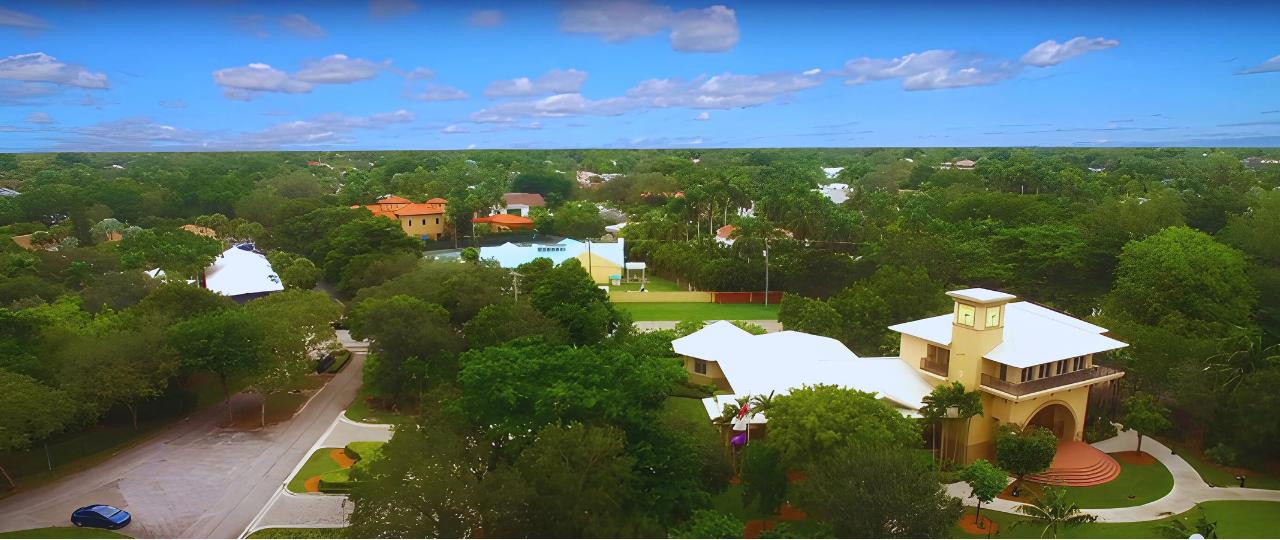
Palmetto Bay, Miami, Florida - EVERYTHING You Want to Know
Jump on this virtual rendezvous across the BEST of Palmetto Bay, where you'll be priv...
.png)
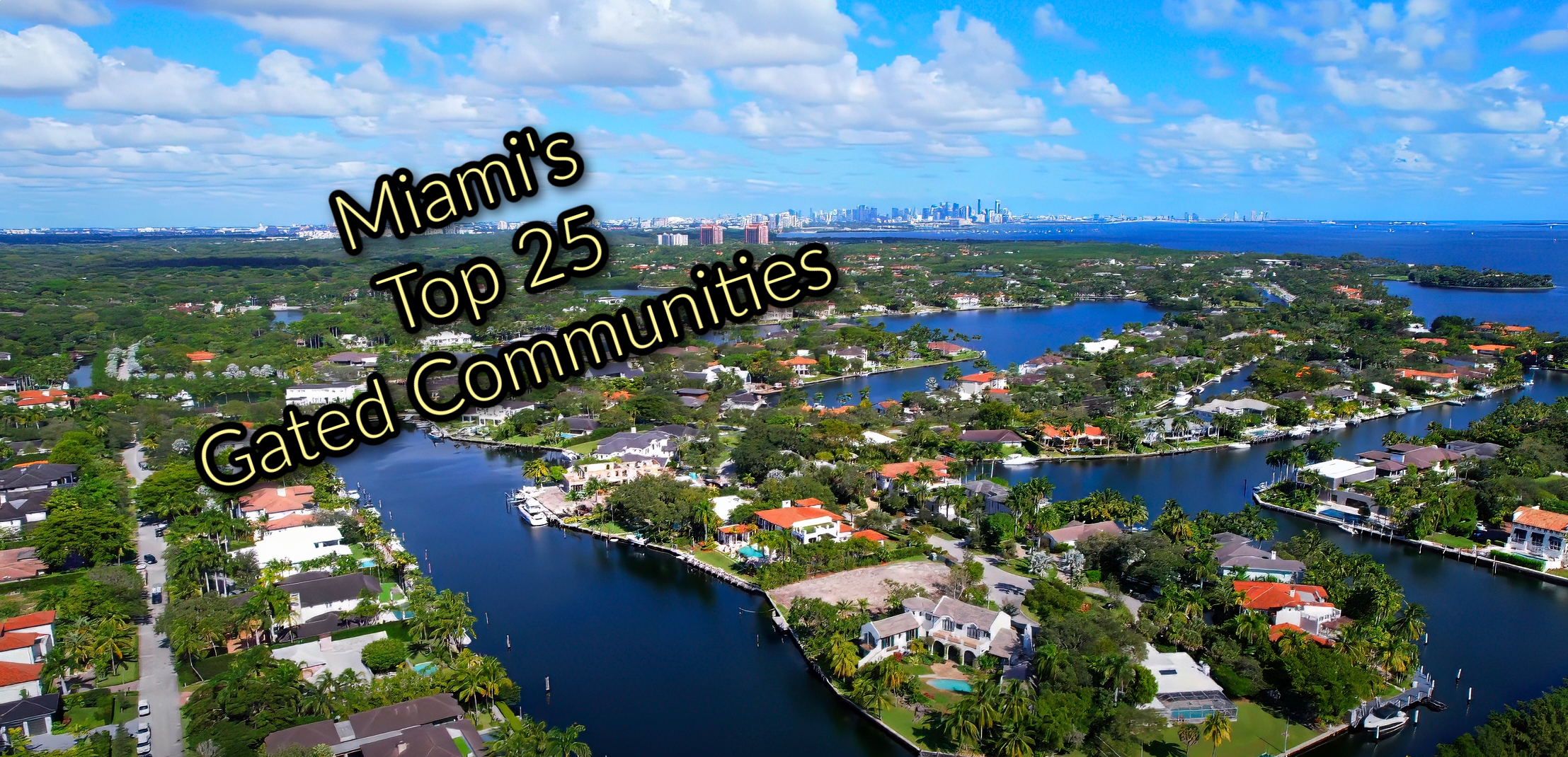
The Ultimate Guide to Miami-Dade's Top 25 Gated Communities for Single-Family Homes
Discover Miami's top gated communities in this essential guide for luxury home buyers...
Miami's BEST Restaurants in EVERY Neighborhood
Check out the absolute BEST restaurants in every neighborhood of Miami, including the best...
Selling Your Home?
Who are we?
We are the ALL IN Miami Group out of Miami.
We are Colombian, Filipino, Cuban, German, Japanese, French, Indian, Syrian, and American.
We are Christian, Hindu, and Jewish.
We are many, but we are one.
We sell luxury homes in Miami, Florida.
Although some of our clients are celebrities, athletes, and people you read about online, we also help young adults find their first place to rent when they are ready to live on their own.
First-time buyers?
All the time!
No matter what your situation or price range is, we feel truly blessed and honored to play such a big part in your life.