



Miami Beach, Miami — A Cheat Sheet for Buyers, Visitors, & the Curious

Amit Bhuta
I use non-traditional marketing to inspire the most motivated buyers to pay the max for Miami luxury homes...
I use non-traditional marketing to inspire the most motivated buyers to pay the max for Miami luxury homes...
Ask someone anywhere in the world to picture Miami, and chances are they’re imagining Miami Beach.
The palm-lined shoreline, the Art Deco hotels along Ocean Drive, and the nightlife that spills into the early morning hours all sit on this narrow barrier island between Biscayne Bay and the Atlantic Ocean.
Over time, Miami Beach has grown far beyond its reputation as a vacation destination.
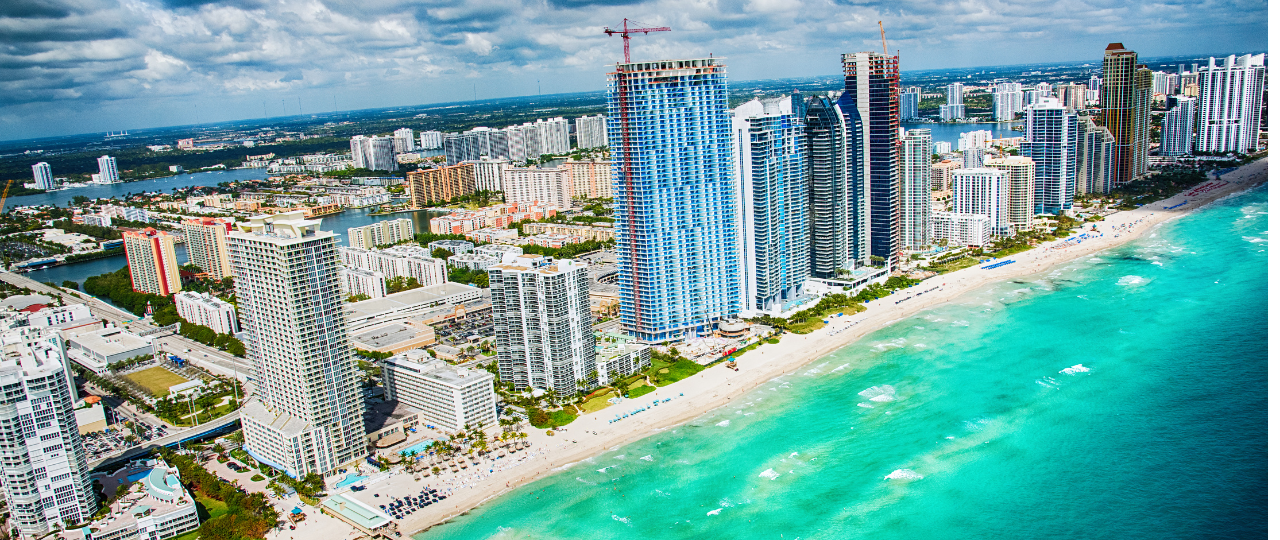
Today, it is an ever-evolving city with distinct neighborhoods, thousands of year-round residents, luxury high-rises, historic architecture, and one of the most recognizable waterfront skylines in the country.
But visitors who arrive for a few days in the sun experience Miami Beach very differently from those who are building their lives along its famous shoreline.
Understanding that difference raises a few important questions that this guide aims to answer.
Daily life on the island, the cost of oceanfront real estate, the quiet residential pockets of Miami Beach and the livelier ones, and which investments make the most sense — along with everything else beyond the postcard version most people see on travel brochures and social media.
Here's what you need to know about living in, visiting, and understanding Miami Beach.
-topaz-upscale-2.1x.jpeg?w=1140)
LIVING IN MIAMI BEACH
Is Miami Beach a good place to live?
Miami Beach is widely regarded as one of the most desirable coastal cities in South Florida, thanks to its oceanfront lifestyle, walkable neighborhoods, and proximity to mainland Miami.
The city combines resort-style living with the infrastructure of a full municipality, offering residents beaches, parks, restaurants, shopping districts, and a vibrant cultural scene within a relatively compact area.
Residents live across a range of housing types, including historic apartments, waterfront homes, and luxury condominium towers overlooking the Atlantic Ocean or Biscayne Bay.
Many people choose to live here because they can walk or bike to the beach, restaurants, and entertainment while remaining close to Miami's economic center.
What neighborhoods make up Miami Beach?
Miami Beach is commonly divided into three main areas: South Beach, Mid-Beach, and North Beach.
South Beach is the southernmost portion and is internationally known for its Art Deco architecture, nightlife, and high-end real estate.
Mid-Beach sits between approximately 23rd Street and 63rd Street and features many luxury oceanfront hotels, condominium towers, and quieter residential streets.
North Beach occupies the northern part of the island and is more residential, offering a calmer atmosphere and more affordable housing compared to the southern sections of the city.
What are home prices in Miami Beach?
Real estate prices in Miami Beach vary widely depending on location, building type, and proximity to the ocean or bay.
Across the city, recent market listings show median prices of mid-$600,000 for condos overall, while luxury oceanfront units and penthouses can reach several million dollars, depending on the building, views, and amenities.
Condos typically range from around $400,000 for smaller inland units to several million dollars for luxury oceanfront residences in high-rise towers.
Single-family homes, particularly those located on waterfront lots along Biscayne Bay or the Venetian Islands, can range from roughly $2 million to well over $20 million, depending on size and location.
The city’s reputation as an international destination and investment market continues to drive demand for both primary residences and vacation properties.
Are there single-family homes in Miami Beach?
Although Miami Beach is known for its condo skyline, the city also contains many single-family homes.
Residential neighborhoods with houses include the Venetian Islands, the Sunset Islands, La Gorce Island, and sections of North Beach.
Many of these homes are located along canals or directly on Biscayne Bay, often featuring private docks for boat access.
These waterfront properties are among the most valuable real estate in South Florida.
Is Miami Beach safe?
Miami Beach maintains its own police department and municipal services separate from the City of Miami.
Safety levels can vary by neighborhood and by time of year, particularly in areas that attract large numbers of visitors.
Residential areas in Mid-Beach and North Beach generally have a quieter atmosphere compared with the entertainment districts of South Beach.
City officials regularly coordinate policing strategies around major events and peak tourism periods to maintain safety throughout the island.
What schools serve families living in Miami Beach?
Public schools serving the city are part of Miami-Dade County Public Schools, the fourth-largest school district in the United States.
Notable public schools include Miami Beach Senior High School, Nautilus Middle School, and North Beach Elementary School.
Several private and charter schools also operate in and around the area, including the Rabbi Alexander S. Gross Hebrew Academy and other private institutions on the mainland.
Many families also consider magnet programs and specialized academies offered through the district.
For more information, visit Best Schools in Miami Beach.
What is commuting like from Miami Beach?
Commuting between Miami Beach and mainland Miami typically involves crossing Biscayne Bay via several major causeways.
The MacArthur Causeway connects South Beach to downtown Miami and provides direct access to Interstate 395 and I-95.
The Julia Tuttle Causeway connects Mid-Beach to the mainland near the Miami Design District and Wynwood.
The Venetian Causeway provides a scenic yet narrower route connecting the Venetian Islands to downtown Miami.
Travel times vary by traffic and typically range from 15 to 30 minutes to reach downtown or Brickell.
What is the cost of living in Miami Beach?
The cost of living in Miami Beach is generally higher than the national average due to housing prices, tourism-driven demand, and the city’s waterfront location.
Housing represents the largest expense for residents.
Condos typically start around $400,000 to $600,000 for smaller inland units, while oceanfront residences can range from $1 million to well over $10 million, depending on the building and views.
Monthly condo maintenance fees in many buildings can range from roughly $600 to $2,500 or more, especially in luxury towers with full-service amenities.
Other costs, such as dining, entertainment, and parking, can also run higher than in surrounding mainland neighborhoods like Miami or North Bay Village.
However, many residents view the oceanfront lifestyle, walkability, and cultural environment as worthwhile trade-offs.
What are property taxes like in Miami Beach?
Property taxes in Miami Beach follow the standard Florida system based on the assessed value and the combined millage rates set by Miami-Dade County, the City of Miami Beach, and other local taxing authorities.
In many cases, effective property tax rates are roughly between 1.1% and 1.4% of assessed value annually, although the exact amount depends on exemptions such as Florida’s homestead exemption.
Because property values on the island can be high, the total amount paid in property taxes can still be substantial even when the tax rate itself is typical for South Florida.
How many people live in Miami Beach?
Miami Beach has a population of roughly 83,000 residents according to recent census estimates.
While the permanent population is relatively modest compared with the broader Miami metropolitan area, the number of people present on the island increases significantly due to tourism and seasonal residents.
Millions of visitors arrive each year, making Miami Beach one of the most visited coastal cities in the United States.
Is Miami Beach prone to flooding or hurricanes?
Since Miami Beach sits on a barrier island between Biscayne Bay and the Atlantic Ocean, the city is vulnerable to storm surge and tidal flooding.
Local officials have invested heavily in infrastructure improvements, including stormwater pumps, elevated roads, and seawall projects, to reduce flood risk.
As with much of South Florida, residents must prepare for hurricane season, which runs from June through November each year.
Do homeowners in Miami Beach need flood insurance?
Because Miami Beach is on a low-lying barrier island, many properties are within FEMA flood zones.
Flood insurance may be required by lenders for homes located in designated high-risk flood zones, particularly for properties with mortgages backed by federally regulated lenders.
Insurance costs vary by elevation, building design, and flood zone classification, but flood coverage is a common part of property ownership for many homes and condominium buildings in Miami Beach.
Buyers typically review flood zone maps, elevation certificates, and insurance requirements during the purchasing process.
Does Miami Beach allow short-term rentals?
Short-term rentals are heavily restricted in most residential areas of Miami Beach.
City regulations generally prohibit rentals of less than six months and one day in many neighborhoods to preserve the residential quality of life.
Short-term rentals are typically permitted only in designated hotel and commercial districts, particularly parts of South Beach where buildings are licensed for transient use.
Because enforcement is strict and fines can be significant, buyers interested in investment properties usually verify zoning and building regulations before purchasing.
-topaz-upscale-2.1x.jpeg?w=1140)
VISITING MIAMI BEACH
What is Miami Beach known for?
Miami Beach is internationally famous for its beaches, Art Deco architecture, luxury hotels, nightlife, and cultural events.
The Art Deco Historic District in South Beach contains hundreds of preserved pastel-colored buildings from the 1930s and 1940s.
The city’s beaches attract visitors from around the world who come to swim, sunbathe, and experience the vibrant atmosphere along Ocean Drive and Collins Avenue.
What are the best things to do in Miami Beach?
Visitors can explore beaches, restaurants, shopping districts, and cultural attractions throughout the island.
Popular activities include walking along the Miami Beach Boardwalk, visiting museums such as the Bass Museum of Art, and exploring the Art Deco Historic District.
Outdoor recreation options include paddleboarding in Biscayne Bay, biking along the beachfront paths, and relaxing in parks overlooking the ocean.
For a typical day in Miami Beach, visit Top 5 Things to Do in Miami Beach.
What beaches are in Miami Beach?
The city’s main public beach stretches along the Atlantic Ocean and is accessible from multiple entry points along Collins Avenue and Ocean Drive.
Lummus Park Beach in South Beach is one of the most famous sections, located directly across from the Art Deco District.
Other popular beach areas include Mid-Beach along the hotel corridor and North Beach near North Shore Open Space Park.
Where are the best restaurants in Miami Beach?
Miami Beach features a diverse dining scene, ranging from casual beachfront cafés to world-renowned fine-dining establishments.
Restaurants across the island serve cuisines including Latin American, Mediterranean, Japanese, Italian, and modern American.
Dining districts such as Lincoln Road, South of Fifth, and Collins Avenue host many of the city’s most popular restaurants.
Top 5 Places to Eat in Miami Beach names some of the best dining spots in the area.
Is Miami Beach known for nightlife?
Nightlife has long been a defining part of Miami Beach culture, particularly in South Beach.
The area is home to internationally known nightclubs, rooftop lounges, cocktail bars, and beachside venues that remain active late into the night.
Major events such as Art Basel, Miami Music Week, and New Year’s celebrations attract visitors from around the world.
Is Miami Beach walkable?
Many parts of Miami Beach are highly walkable, particularly South Beach, where restaurants, parks, and shops are clustered.
The city also features bike lanes, pedestrian promenades, and the Miami Beach Boardwalk, a scenic pathway that stretches for miles along the oceanfront from South Beach through Mid-Beach.
The beachfront pathway connects several sections of the island and is part of a longer pedestrian route often referred to locally as the Miami Beach Beachwalk.
Public transportation options include Miami-Dade Transit buses, the free Miami Beach Trolley system, and regional connections such as Metrobus routes that link the island to mainland Miami through the MacArthur and Julia Tuttle causeways.
Rideshare services and bike-share programs, such as Citi Bike Miami, provide convenient ways to travel around the island without a car.
Is parking difficult in Miami Beach?
Parking in Miami Beach can be challenging in busy areas, particularly in South Beach, where visitor demand is highest.
The city operates a large network of public parking garages and metered street parking throughout the island, especially near major attractions and beaches.
Residential neighborhoods often rely on permit parking zones to prioritize residents.
During peak tourism periods and large events, many visitors choose rideshare services or the free Miami Beach Trolley instead of driving.
How far is Miami Beach from Miami International Airport?
Miami Beach sits about 11 to 13 miles east of Miami International Airport, depending on the route taken.
Travel time by car typically ranges from 20 to 30 minutes under normal traffic conditions.
Many visitors reach the island via the MacArthur Causeway or Julia Tuttle Causeway.
What parks are located in Miami Beach?
The city contains numerous parks and public green spaces overlooking both the ocean and Biscayne Bay.
South Pointe Park, located at the southern tip of the island, offers walking paths, fishing areas, and views of cruise ships entering Government Cut.
Lummus Park runs along Ocean Drive in South Beach, while North Shore Open Space Park provides one of the largest beachfront green spaces in the city.
Meanwhile, for parks that allow dogs, you can visit Dog-Friendly Parks in Miami Beach.
-topaz-upscale-2.1x.jpeg?w=1140)
UNDERSTANDING MIAMI BEACH
Where is Miami Beach located?
Miami Beach sits on a barrier island between Biscayne Bay and the Atlantic Ocean in Miami-Dade County, Florida.
The island sits directly east of mainland Miami and is connected by several major causeways, including the MacArthur Causeway, Julia Tuttle Causeway, and Venetian Causeway.
Its coastal location makes it both a residential community and one of the most recognizable tourist destinations in the United States.
How big is Miami Beach?
Miami Beach covers approximately 18 square miles in total area, including both land and water.
The city stretches roughly 7 miles along the Atlantic coastline from South Pointe Park in the south to the northern limits near Sunny Isles Beach.
This elongated island layout gives Miami Beach its distinctive linear geography.
Is Miami Beach an island?
Yes, Miami Beach is located on a barrier island, separated from the mainland by Biscayne Bay.
Barrier islands form naturally along coastal areas and help protect the mainland from ocean storms and waves.
Several smaller islands, including the Venetian Islands and Star Island, sit within Biscayne Bay between Miami Beach and the mainland.
What is the difference between Miami and Miami Beach?
Although the names are often used interchangeably, Miami and Miami Beach are separate cities with independent governments.
Miami lies on the mainland, while Miami Beach sits on the barrier island across Biscayne Bay.
Each city has its own mayor, city commission, police department, and a professional city manager who oversees day-to-day municipal operations.
When was Miami Beach incorporated?
Miami Beach was incorporated as a city in 1915 during a period of early development along the barrier island.
Developers began promoting the area as a winter resort destination in the early 20th century.
Over time, the city evolved into a major international tourism hub and residential community.
Why is Miami Beach famous worldwide?
Miami Beach gained international recognition through its beaches, historic architecture, nightlife, and cultural events.
The Art Deco Historic District became one of the largest collections of preserved Art Deco buildings in the world.
Major events such as Art Basel Miami Beach and the South Beach Wine & Food Festival attract global attention every year.
What drives Miami Beach’s economy?
Tourism is the primary economic driver in Miami Beach, supported by hotels, restaurants, entertainment venues, and retail businesses.
International real estate investment also plays a major role in the local economy.
Large conventions and cultural events held at the Miami Beach Convention Center generate significant economic activity in the city each year.
-topaz-upscale-2.1x.jpeg?w=1140)
%20(24).png)
Miami Beach, Miami, Florida - EVERYTHING You Want to Know
Come with us for a virtual escape across your favorite beachfront destination, Miami Beach...
.png)
The Ultimate Guide to Miami-Dade's Top 25 Gated Communities for Single-Family Homes
Discover Miami's top gated communities in this essential guide for luxury home buyers...


Miami's BEST Restaurants in EVERY Neighborhood
Check out the absolute BEST restaurants in every neighborhood of Miami, including the best...
Selling Your Home?
Who are we?
We are the ALL IN Miami Group out of Miami.
We are Colombian, Filipino, Cuban, German, Japanese, French, Indian, Syrian, and American.
We are Christian, Hindu, and Jewish.
We are many, but we are one.
We sell luxury homes in Miami, Florida.
Although some of our clients are celebrities, athletes, and people you read about online, we also help young adults find their first place to rent when they are ready to live on their own.
First-time buyers?
All the time!
No matter what your situation or price range is, we feel truly blessed and honored to play such a big part in your life.