



Palmetto Estates, Miami — A Cheat Sheet for Buyers, Visitors, & the Curious

Amit Bhuta
I use non-traditional marketing to inspire the most motivated buyers to pay the max for Miami luxury homes...
I use non-traditional marketing to inspire the most motivated buyers to pay the max for Miami luxury homes...
For buyers priced out of Palmetto Bay or seeking more flexibility than traditional suburban neighborhoods allow, Palmetto Estates has emerged as a strong alternative.
It provides buyers with access to single-family homes at a lower price point, but with more variations from one property to another, making it essential to evaluate each home carefully before making a decision.
This is not a neighborhood with uniform homes or predictable blocks — Palmetto Estates features a mix of property conditions, layouts, and uses that create both opportunity and risk.
What does that mean for buyers? This guide answers key questions about pricing gaps, zoning flexibility, flood and drainage conditions, and the long-term value of homes in Palmetto Estates.
Here's what you need to know about living in, visiting, and understanding Palmetto Estates.
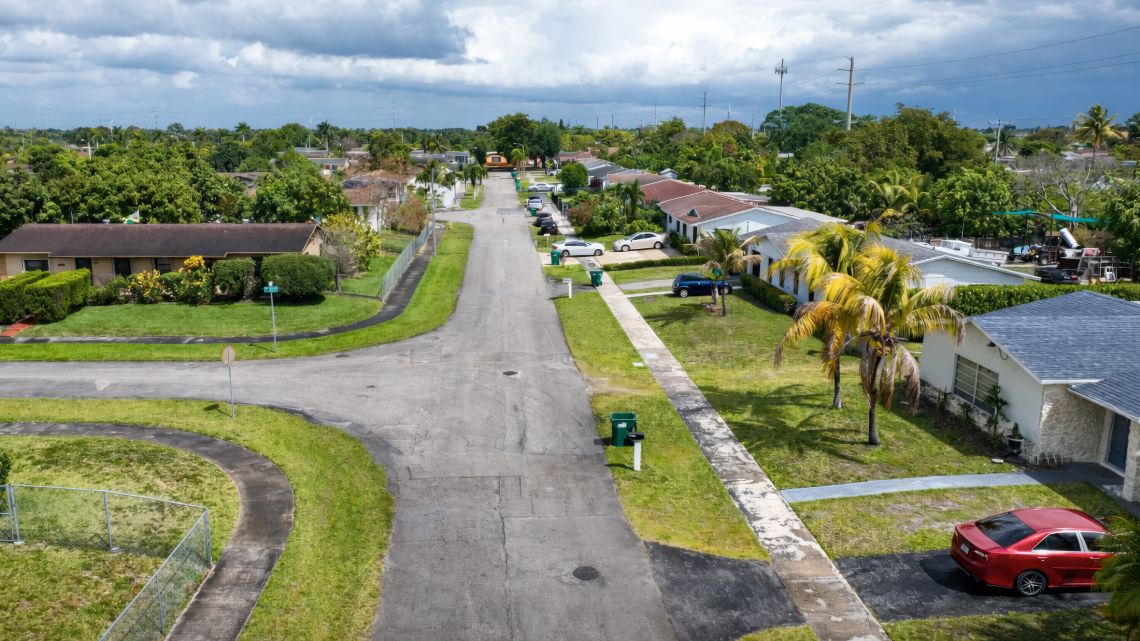
LIVING IN PALMETTO ESTATES
What is it like living in Palmetto Estates compared to nearby areas like Palmetto Bay or Cutler Bay?
Living in Palmetto Estates offers a more varied, value-driven residential experience than in the more uniform and higher-priced environment of Palmetto Bay.
The area is less polished overall, with a wider mix of home conditions, property sizes, and neighborhood appearances.
Compared to Cutler Bay, Palmetto Estates feels more established in certain sections, with less master-planned development and more individually built or modified homes.
Daily life is centered around residential routines, local errands, and driving access rather than walkability or curated lifestyle amenities.
Is Palmetto Estates considered a good or safe area to live?
Palmetto Estates is generally considered a stable residential area, though safety can vary, depending on the specific block and property condition.
Crime levels are typically moderate compared to denser urban areas, with most activity being non-violent and localized.
Neighborhoods with well-maintained homes and long-term residents tend to feel more consistent and secure.
Buyers often evaluate safety on a micro-location level rather than relying on a broad neighborhood assumption.
Who typically lives in Palmetto Estates?
Palmetto Estates is home to a mix of long-term residents, families, first-time buyers, and investors.
Many homeowners have lived in the area for years, creating pockets of stability within the community.
There is also a steady number of buyers transitioning from renting to homeownership, drawn by more accessible price points.
The area supports a wide range of household types, including multi-generational living arrangements.
Is Palmetto Estates a good place for families or first-time buyers?
Palmetto Estates is often considered a practical entry point for buyers who want more space than condos or townhomes typically offer.
Families are drawn to the availability of single-family homes with yards at lower price points than nearby areas.
First-time buyers benefit from the ability to purchase detached homes rather than remaining in high-density housing.
The trade-off is that buyers may need to invest in updates or improvements depending on the property.
What types of homes are common in Palmetto Estates?
The housing stock in Palmetto Estates is primarily composed of single-family homes, along with duplexes and some small multifamily properties.
Many homes were built between the 1950s and 1980s, resulting in a wide range of architectural styles and layouts.
You will also find properties that have been expanded, partially renovated, or converted to accommodate additional living space.
This mix creates noticeable variation from one street to another.
How old are homes in Palmetto Estates, and what condition are they typically in?
Most homes in Palmetto Estates date back several decades, often from the mid-20th century.
Some properties have been fully updated with modern roofs, plumbing, and interiors, while others retain older systems that may require upgrades.
Conditions can vary significantly even between neighboring homes, depending on maintenance and renovation history.
Buyers should pay close attention to roof age, electrical panels, plumbing materials, and permit records when evaluating a property.
How large are lots and properties in Palmetto Estates?
Lot sizes in Palmetto Estates typically range from approximately 6,000 to 10,000 square feet, though some properties exceed this depending on location.
This allows for outdoor space, parking, and potential additions such as patios or small accessory structures.
While not as large as Palmetto Bay lots, they still offer more space than many newer suburban developments.
Spacing between homes varies depending on the original subdivision layout.
Are there newer homes or mostly older properties in Palmetto Estates?
Most of the housing stock consists of older homes, and ongoing renovation activity is seen throughout the area.
Some properties have been completely rebuilt or modernized, particularly those purchased by investors or newer homeowners.
New construction is less common but does exist on lots where older homes have been demolished.
This results in a mix of original homes and updated properties within the same neighborhood.
Are there townhomes, duplexes, or multifamily properties in Palmetto Estates?
Yes, Palmetto Estates includes duplexes and small multifamily properties, which are more common here than in higher-end suburban areas.
These property types are often used for rental income or multi-family living arrangements.
Some single-family homes have also been modified to include efficiency units or additional living spaces.
This adds flexibility but also contributes to variation in neighborhood density.
How much do homes typically cost in Palmetto Estates?
Home prices in Palmetto Estates generally range from approximately $450,000 to $750,000, depending on size, condition, and updates.
Homes closer to the lower end may require renovations, while properties in the $600,000 to $750,000 range are typically updated or larger.
Fully renovated homes or those with additional living spaces may exceed these ranges.
Price differences are often influenced more by property condition than location within the neighborhood.
Why is Palmetto Estates more affordable than nearby areas?
Palmetto Estates is more affordable primarily due to its older housing stock, varied property conditions, and less restrictive aesthetic consistency.
It doesn't have the same level of uniformity in home quality or neighborhood appearance as Palmetto Bay.
There is also more flexibility in property use, which can impact perceived desirability.
These factors combine to create lower entry points for buyers.
Do home prices vary significantly within Palmetto Estates?
Yes, pricing can vary widely depending on renovation level, lot size, and how the property is used.
Two homes on the same street can differ by over $100,000, depending on updates and condition.
Properties with modern finishes, new roofs, and additional living space tend to command higher prices.
This variability makes careful property comparison essential when buying.
What are property taxes like in Palmetto Estates?
Property taxes in Palmetto Estates generally fall within the typical Miami-Dade range of approximately 1.8% to 2.2% of assessed value.
The total amount depends on the property’s assessed value and any exemptions applied.
Homestead exemptions can significantly reduce the taxable amount for primary residents.
Taxes increase over time as property values are reassessed.
How much is home insurance in Palmetto Estates?
Home insurance costs vary widely based on the age of the home, roof condition, and location.
Older homes with outdated systems may face higher premiums or stricter coverage requirements.
Policies can range from around $2,000 to $6,000 or more annually, depending on risk factors.
Insurance is often a key consideration when evaluating older properties.
Are there HOA communities in Palmetto Estates?
Most of Palmetto Estates is not under mandatory homeowner associations
This provides flexibility for property modifications, parking, and exterior changes.
Some smaller sections may have informal or limited associations, but they are not common.
The lack of an HOA structure contributes to the area’s varied appearance.
Is Palmetto Estates in a flood zone?
Parts of Palmetto Estates are in designated flood zones, particularly in lower-lying areas.
Flood Zone AE and X are typically found throughout the neighborhood.
Flood risk can vary significantly depending on elevation and proximity to drainage systems.
Each property should be evaluated individually rather than relying on general assumptions.
Does Palmetto Estates experience flooding after heavy rain?
Some areas in Palmetto Estates may experience temporary water accumulation during heavy rainfall.
Drainage conditions can vary depending on street design, elevation, and infrastructure.
Properties at lower elevations or near canals may be more susceptible.
Buyers often assess drainage patterns during site visits, especially after rain events.
How do drainage and elevation affect properties in Palmetto Estates?
Elevation plays a major role in how water moves across properties in the area.
Homes built on slightly higher ground may experience fewer issues than those in lower sections.
Drainage systems are not uniform, so conditions can differ from one block to another.
Understanding elevation and grading is important when evaluating long-term property performance.
What are the zoning rules in Palmetto Estates?
Zoning in Palmetto Estates allows for a mix of residential uses, including single-family and some multifamily properties.
Regulations control how properties can be used, expanded, or modified.
Lot coverage, setbacks, and use restrictions vary depending on zoning classification.
Buyers should review zoning details if they plan to modify or expand a property
Can you expand, rebuild, or add structures in Palmetto Estates?
Expansion and rebuilding are generally allowed but must comply with zoning regulations and permitting requirements.
Many homeowners add additional living spaces, patios, or expanded interiors.
However, there are limits on lot coverage and structure size that must be followed.
Professional guidance is often recommended for larger projects.
Are additional units or rental spaces allowed in Palmetto Estates?
Some properties allow additional living spaces such as efficiency units, depending on zoning and compliance with local regulations.
These spaces are often used for extended family or rental income.
Not all properties qualify, and restrictions may apply.
Buyers should verify allowable uses before purchasing with the intention of adding units.
Are schools in Palmetto Estates considered good?
Schools serving Palmetto Estates vary in performance and reputation depending on the specific zoning.
Some schools are well regarded, while others may not have the same level of demand as those in nearby areas like Palmetto Bay.
Families often evaluate school assignments carefully when choosing a location.
School zoning varies by street and is not uniform across the entire area.
What schools serve Palmetto Estates, and how do zones vary?
Palmetto Estates is near several Miami-Dade County public schools, including Robert Russa Moton Elementary School, Southwood Middle School, and Miami Southridge Senior High School.
School assignments are based on the exact property location and can vary by street or even within the same subdivision.
In some cases, nearby homes may be zoned for different schools, even though they are only a few blocks apart.
Because of this, buyers typically verify school zoning using the exact property address before finalizing a purchase.
For more information on the public and private schools in Palmetto Estates, visit Best Schools in Palmetto Estates.
How do residents commute from Palmetto Estates?
Most residents commute by car using US-1, Florida’s Turnpike, and major local roads.
Commute times to areas like Kendall, Doral, or Brickell can range from 30 to 60 minutes, depending on traffic.
Public transportation options exist, but are not the primary mode for most residents.
Driving remains the most practical way to get around.
Is Palmetto Estates walkable or car-dependent?
Palmetto Estates is largely car-dependent due to its spread-out layout and limited commercial clustering.
While some errands can be done locally, most daily needs require driving.
There are sidewalks in certain areas, but walkability is limited for practical use.
The area is designed more for driving than pedestrian movement.
Does traffic affect daily life in Palmetto Estates?
Traffic is most noticeable along major roads and during peak commuting hours.
Local streets tend to remain quieter and less congested.
Congestion is predictable and tied to work and school schedules.
Overall, traffic is manageable but present.
-topaz-upscale-2.1x.jpeg?w=1140)
VISITING PALMETTO ESTATES
What is there to do in or near Palmetto Estates?
Palmetto Estates offers a primarily residential lifestyle, with activities centered around nearby parks, shopping areas, and surrounding neighborhoods.
Residents often visit nearby areas like Kendall or Cutler Bay for additional entertainment options.
Local activities are more low-key and community-oriented.
The area supports everyday living rather than tourism or nightlife.
For a typical day in Palmetto Estates, check out Top 5 Things to Do in Palmetto Estates.
Are there parks or outdoor spaces in Palmetto Estates?
There are several parks and recreational spaces within a short drive of Palmetto Estates.
These areas provide space for walking, sports, and outdoor relaxation.
While not as park-focused as Palmetto Bay, access to green space is possible.
Outdoor activity is accessible but not a defining feature of the neighborhood.
Meanwhile, for parks that allow dogs, check out Dog-Friendly Parks Near Palmetto Estates.
Is Palmetto Estates good for outdoor or casual lifestyles?
The area supports a casual lifestyle with access to outdoor spaces and private yards.
Many homes have enough space for outdoor use within the property.
Residents often combine at-home outdoor living with nearby parks.
This creates a balance between private and public outdoor access.
What is the dining scene like in Palmetto Estates?
Dining in Palmetto Estates mostly consists of casual restaurants, takeout spots, and local eateries.
For a wider range of dining options, residents typically travel to nearby commercial areas.
The neighborhood is not known for upscale dining or destination restaurants.
Food options are practical and locally focused.
The Top 5 Places to Eat in Palmetto Estates highlights some of the best restaurants in the area.
Is there shopping and everyday convenience in Palmetto Estates?
Palmetto Estates provides access to basic shopping needs through nearby plazas and grocery stores.
Larger retail centers are accessible within a short driving distance.
Daily convenience is available, though not concentrated in large shopping districts.
Residents rely on nearby areas for more extensive retail options.
For some of the best retail options in the area, visit Top 5 Shopping Spots Near Palmetto Estates.
How close is Palmetto Estates to major areas like Kendall, Pinecrest, or Cutler Bay?
Palmetto Estates is located within approximately 10 to 15 minutes of Kendall and Cutler Bay.
Pinecrest and Coral Gables are typically 20 to 35 minutes away, depending on traffic.
Brickell and Downtown Miami can take 35 to 60 minutes during peak hours.
This positioning provides access while maintaining a more residential environment.
-topaz-upscale-2.1x.jpeg?w=1140)
UNDERSTANDING PALMETTO ESTATES
Is Palmetto Estates a good long-term investment?
Palmetto Estates can offer long-term value due to its affordability and location in South Miami-Dade.
Growth tends to be steady rather than rapid, driven by demand for entry-level single-family homes.
Value appreciation often depends on property condition and improvements over time.
The area appeals to buyers focused on practicality rather than speculation.
Why do buyers choose Palmetto Estates over nearby neighborhoods?
Buyers are often drawn to Palmetto Estates for its lower price points than in areas like Palmetto Bay.
It allows access to single-family homes without the higher costs associated with more established neighborhoods.
Flexibility in property use is another factor.
These elements make it appealing to value-conscious buyers.
How does Palmetto Estates compare to Palmetto Bay?
Palmetto Bay offers larger lots, more uniform neighborhoods, and stronger school reputations.
Palmetto Estates is more affordable but has greater variation in home condition and appearance.
The choice between the two often depends on budget and lifestyle priorities.
Each area serves a different segment of buyers.
How does Palmetto Estates compare to Cutler Bay?
Cutler Bay features more planned communities and newer developments.
Palmetto Estates has older homes and a more varied neighborhood structure.
Pricing is often similar, but the type of housing differs.
Buyers choose based on a preference for newer versus more flexible housing stock.
How does Palmetto Estates compare to Kendall or West Kendall?
Kendall and West Kendall offer more commercial development, shopping, and master-planned communities.
Palmetto Estates has more standalone homes and less dense surroundings.
The trade-off is between convenience and residential flexibility.
Both areas serve different lifestyle preferences.
Why do homes in Palmetto Estates vary so much in price and condition?
The variation is largely due to differences in renovation levels, maintenance, and property modifications.
Some homes have been fully updated, while others remain in their original condition.
Additional units, expansions, and lot usage also influence value.
This creates a wide range of prices within the same neighborhood.
Are there redevelopment or renovation trends in Palmetto Estates?
Ongoing renovation activity is common, as buyers continue updating older homes
Some properties are expanded or reconfigured to increase usable space.
Full rebuilds are less common but do occur on select lots.
These trends gradually improve overall property conditions.
Who should consider buying in Palmetto Estates?
Palmetto Estates is well-suited for buyers seeking affordability, space, and flexibility in property use.
It is ideal for first-time buyers, families, and those willing to invest in improvements.
The area supports practical homeownership rather than luxury living.
Buyers focused on value will find strong opportunities in Palmetto Estates.
Who might not find Palmetto Estates a good fit?
Buyers seeking uniform neighborhoods, newer construction, or highly curated environments may not find Palmetto Estates suitable.
It is also less ideal for those seeking walkability, nightlife, or luxury amenities.
The area requires a willingness to navigate variability in property condition.
Those prioritizing convenience over space may prefer other neighborhoods.
-topaz-upscale-2.1x.jpeg?w=1140)
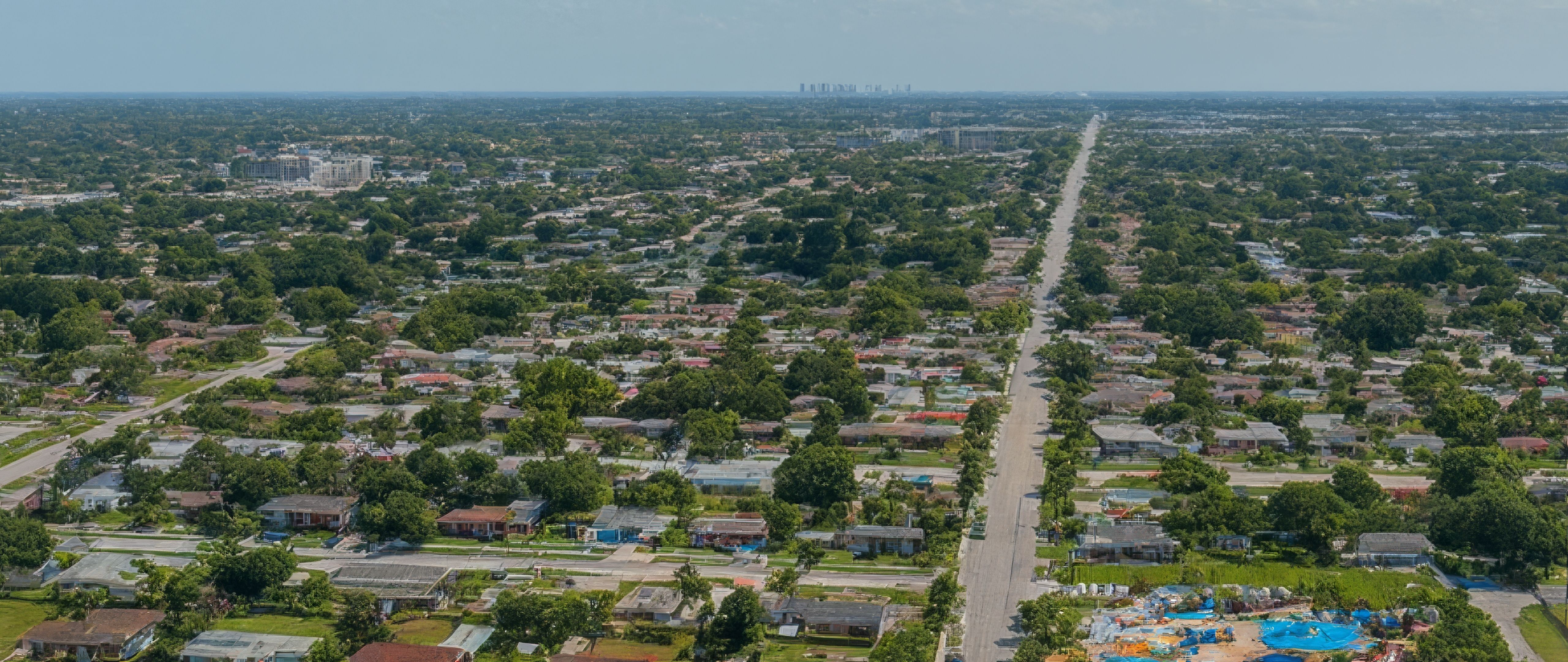
Palmetto Estates, Miami, Florida - EVERYTHING You Want to Know
Stick with us as we take a closer look at Palmetto Estates. There's more to this neig...
.png)
The Ultimate Guide to Miami-Dade's Top 25 Gated Communities for Single-Family Homes
Discover Miami's top gated communities in this essential guide for luxury home buyers...

Miami's BEST Restaurants in EVERY Neighborhood
Check out the absolute BEST restaurants in every neighborhood of Miami, including the best...
Selling Your Home?
Who are we?
We are the ALL IN Miami Group out of Miami.
We are Colombian, Filipino, Cuban, German, Japanese, French, Indian, Syrian, and American.
We are Christian, Hindu, and Jewish.
We are many, but we are one.
We sell luxury homes in Miami, Florida.
Although some of our clients are celebrities, athletes, and people you read about online, we also help young adults find their first place to rent when they are ready to live on their own.
First-time buyers?
All the time!
No matter what your situation or price range is, we feel truly blessed and honored to play such a big part in your life.