



Miami Shores, Miami — A Cheat Sheet for Buyers, Visitors, & the Curious

Amit Bhuta
I use non-traditional marketing to inspire the most motivated buyers to pay the max for Miami luxury homes...
I use non-traditional marketing to inspire the most motivated buyers to pay the max for Miami luxury homes...
With curving residential streets, corporate parks, man-made lakes, and lush open spaces, Miami Lakes seems like a pipe dream.
And now, people can’t help but wonder how this historic village has survived the relentless development around it.
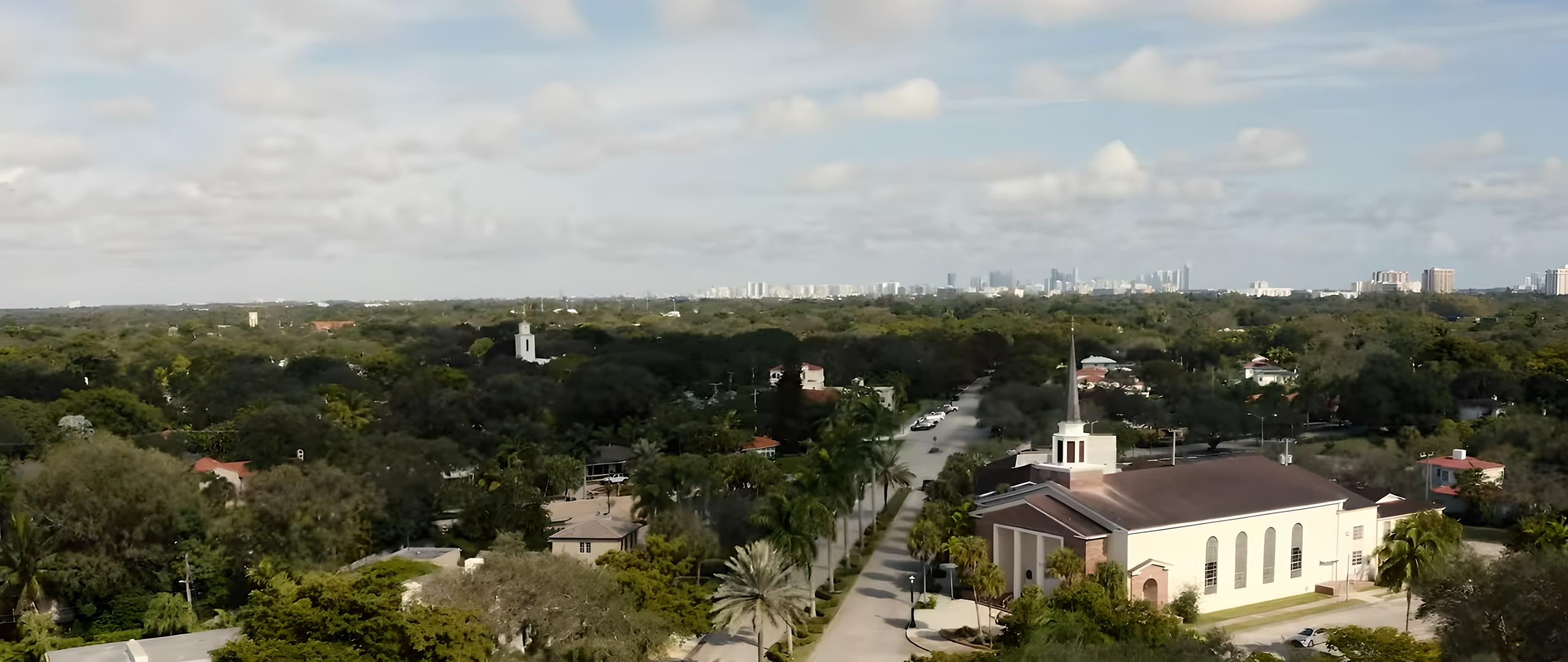
Located just north of Miami’s urban core between Biscayne Boulevard and the bay, Miami Shores offers sunlit boulevards lined with single-family homes, towering oak trees, and glimpses of Biscayne Bay, along with convenient access to Downtown Miami, Miami Beach, and major corridors like I-95.
Its calm residential environment, anchored by parks, waterfront views, and a collection of Art Deco architecture, makes Miami Shores one of the region’s most distinctive historic neighborhoods.
It's also one of the most sought-after places to live along Biscayne Bay, and this guide will explain why it stands out from the rest of Miami, from housing prices, safety, schools, and flood considerations to walkability, lifestyle, and the character of its historic neighborhoods.
Here's what you need to know about living in, visiting, and understanding Miami Shores.
-topaz-upscale-2.1x.jpeg?w=1140)
LIVING IN MIAMI SHORES
Is Miami Shores a good place to live?
Miami Shores is widely considered one of the most desirable residential communities in northeast Miami-Dade County.
The village combines historic architecture, quiet tree-lined streets, and proximity to major Miami employment centers.
Located about eight miles north of Downtown Miami, the neighborhood offers a calmer residential atmosphere while still providing easy access to the city’s cultural, business, and entertainment districts.
For buyers who want historic homes, a strong neighborhood identity, and a location close to the urban core, Miami Shores consistently ranks among the most attractive options in this part of the county.
What is Miami Shores known for?
Miami Shores is best known for its nickname, “The Village Beautiful.”
The community is recognized for its historic homes, lush tree canopy, and Mediterranean Revival architecture dating back to the 1920s land boom.
The presence of Barry University, the Miami Shores Country Club, and a compact downtown district along Northeast 2nd Avenue also helps define the village’s identity.
Together, these elements create a neighborhood that feels more like a traditional town than a typical Miami suburb.
What types of homes are available in Miami Shores?
Miami Shores is primarily a single-family residential community.
Many homes were built between the 1920s and the 1960s, giving the neighborhood a wide variety of architectural styles.
Buyers will commonly find Mediterranean Revival homes, Art Deco influences, Mission-style houses, mid-century ranch homes, and renovated contemporary properties.
Typical homes range from 1,600 to 3,500 square feet, with larger renovated properties exceeding 4,000 square feet in some cases.
How much do homes cost in Miami Shores?
Home prices in Miami Shores reflect both the neighborhood’s historic housing stock and its central location near Downtown Miami.
Smaller homes needing updates often begin around $900,000 to $1 million, depending on lot size and condition.
Renovated homes commonly sell between $1.2 million and $2 million, particularly for houses around 2,000 to 3,000 square feet.
Waterfront properties or extensively renovated homes near Biscayne Bay can exceed $2.5 million to $3 million or more.
Are there waterfront homes in Miami Shores?
Yes, Miami Shores includes a limited number of waterfront properties located along canals and Biscayne Bay.
Some homes sit directly on navigable waterways with private docks and boat access to the bay.
These properties are concentrated in eastern sections of the village closer to Biscayne Bay and typically command significantly higher prices than interior homes.
Waterfront homes in Miami Shores often exceed $2 million and may reach $3 million or more, depending on lot size, water access, and renovations.
Is Miami Shores expensive?
Yes, Miami Shores is considered one of the more expensive residential areas in northeast Miami-Dade County.
The village’s historic homes, larger lots, and central location push prices higher than those of many surrounding neighborhoods.
Buyers are often paying not only for square footage but also for architectural character, location, and neighborhood reputation.
For many residents, the village atmosphere and proximity to Miami’s urban core justify the higher price point.
What is the cost of living in Miami Shores?
Housing represents the highest cost-of-living factor in Miami Shores.
Homeowners typically face higher expenses related to property taxes, insurance, and maintenance compared with condo-heavy neighborhoods elsewhere in Miami.
Older homes may also require periodic renovations or upgrades, particularly for roofing, plumbing, or storm protection.
Aside from housing costs, daily expenses such as groceries, utilities, and services are generally comparable to the broader Miami area.
Can you rent homes in Miami Shores?
Yes, rental properties are available in Miami Shores, although the inventory is smaller than in nearby apartment-heavy neighborhoods.
Most rentals consist of single-family homes, duplexes, or small multifamily buildings rather than large apartment complexes.
Monthly rents vary widely depending on size and condition, but many homes typically range between $3,000 and $6,000 per month.
Because the village has a limited rental supply and strong housing demand, available listings often move quickly.
Is Miami Shores safe?
Miami Shores is generally regarded as a stable and orderly residential village.
The community operates its own Miami Shores Police Department, which focuses on local law enforcement and neighborhood safety.
The village’s smaller population, largely single-family housing layout, and active municipal governance contribute to its reputation for stability.
As with any urban-adjacent community, residents should still review current crime data when evaluating specific locations.
Does Miami Shores flood or face hurricane risk?
Because Miami Shores sits near Biscayne Bay, hurricane preparedness and flood awareness are important considerations for homeowners.
Certain areas of the village fall within FEMA flood zones, particularly properties closer to canals or the bay.
Flood insurance may be required depending on elevation, location, and mortgage conditions.
Like most South Florida communities, residents typically prepare for hurricane season with impact windows, storm shutters, and emergency planning.
Are there homeowner associations in Miami Shores?
Most neighborhoods in Miami Shores are not governed by large homeowner associations.
The village developed decades before HOA-based communities became common in South Florida.
Instead, property standards and development rules are enforced primarily through municipal zoning regulations and local ordinances.
Some condo buildings or small developments may still have private associations, but most single-family homes do not.
What are the property taxes like in Miami Shores?
Property taxes in Miami Shores follow the standard Miami-Dade County tax structure.
Taxes include county taxes, school board taxes, and the village’s municipal tax rate.
Because home values in Miami Shores are relatively high, annual property taxes can also be substantial.
Florida’s homestead exemption and Save Our Homes tax cap may help reduce long-term tax increases for primary residents.
How much is home insurance in Miami Shores?
Home insurance costs in Miami Shores can vary widely depending on the age of the home, roof condition, and whether the property has hurricane protection such as impact windows or shutters.
Because many homes in the village were built decades ago, insurance premiums may be higher for properties that still have older roofs or outdated systems.
Annual homeowners' insurance policies in this part of Miami-Dade often range from several thousand dollars per year, although the exact cost depends on property value, elevation, and coverage limits.
Buyers typically obtain insurance quotes early in the homebuying process to understand the full cost of ownership.
Are there good schools in Miami Shores?
Miami Shores benefits from several educational institutions within and near the village.
Barry University, located inside the community, is one of the region’s largest private universities.
Miami Shores Elementary School serves local families, while additional public, charter, and private schools are located nearby in North Miami and Upper Eastside Miami.
Families considering relocation typically confirm school zoning directly with Miami-Dade County Public Schools.
You may also visit Best Schools in Miami Shores for more information on the public and private schools in the area.
Is Miami Shores walkable?
Miami Shores is relatively walkable compared with many suburban neighborhoods in Miami-Dade County.
Most residential streets include sidewalks and mature tree cover that make walking or biking comfortable.
The most walkable area is the downtown corridor along Northeast 2nd Avenue, where restaurants, cafés, and small shops are clustered.
However, daily commuting and larger errands still require driving for most residents.
What is the commute like from Miami Shores?
Miami Shores sits in a convenient location just north of Miami’s urban core.
Downtown Miami is approximately 8 miles away, which usually translates to 15 to 20 minutes by car, depending on traffic.
Midtown Miami and the Design District are about 10 minutes away, while Miami Beach is roughly 20 minutes via the MacArthur Causeway.
Nearby transportation corridors include Biscayne Boulevard (US-1) and Interstate 95, which connect residents to the rest of Miami-Dade and Broward counties.
What parks and recreational amenities are available in Miami Shores?
The Miami Shores Country Club is one of the village’s main recreational landmarks.
The facility includes a golf course, tennis courts, athletic fields, and an aquatic center used by residents year-round.
Other local green spaces include Biscayne Shores Park, which offers scenic waterfront views along Biscayne Bay.
Community recreation programs, youth sports leagues, and outdoor events also contribute to the village’s active lifestyle.
Meanwhile, Dog-Friendly Parks in Miami Shores names the parks that allow dogs in the area.
-topaz-upscale-2.1x.jpeg?w=1140)
VISITING MIAMI SHORES
Is Miami Shores worth visiting?
Miami Shores offers visitors a quieter alternative to Miami’s larger entertainment districts.
The village attracts people interested in historic architecture, neighborhood dining, and exploring a residential side of Miami close to Biscayne Bay.
Its central location also makes it a convenient stop when visiting nearby neighborhoods such as the Design District, Midtown, or Wynwood.
While it is not a major tourist destination, it provides a pleasant change of pace from Miami’s busier areas.
For a typical day in Miami Shores, check out Top 5 Things to Do in Miami Shores.
What is Downtown Miami Shores?
Downtown Miami Shores refers to the small commercial district along Northeast 2nd Avenue.
This corridor serves as the village’s main street and includes restaurants, cafés, boutiques, salons, and local services.
The area hosts community events and seasonal gatherings that reinforce the village’s small-town atmosphere.
Although compact, it is the social and commercial center of the community.
Are there restaurants in Miami Shores?
Yes, Miami Shores has a growing neighborhood dining scene.
Most restaurants are located along Northeast 2nd Avenue or nearby streets within the downtown district.
Dining options include casual cafés, bakeries, international cuisine, and locally owned neighborhood restaurants.
The atmosphere tends to be relaxed and community-oriented rather than nightlife-focused.
For some of the best restaurants in Miami Shores, visit Top 5 Places to Eat in Miami Shores.
Is there shopping in Miami Shores?
Shopping in Miami Shores is primarily small-scale and locally focused.
Downtown Miami Shores offers boutique retail, beauty services, and specialty shops serving residents.
Larger shopping destinations are located a short drive away in Midtown Miami, the Design District, and Aventura.
For everyday errands, nearby commercial corridors along Biscayne Boulevard provide additional retail options.
Visit the Top 5 Shopping Spots in Miami Shores for more information.
Are there parks or outdoor activities in Miami Shores?
Outdoor recreation plays an important role in village life.
Residents and visitors can enjoy golf, tennis, swimming, and other activities at the Miami Shores Country Club.
Neighborhood parks and waterfront green spaces provide opportunities for walking, jogging, and relaxing outdoors.
The village’s tree-lined streets also make casual walking and cycling popular recreational activities.
Is Miami Shores family-friendly?
Miami Shores is widely viewed as a family-friendly community.
Detached homes, neighborhood parks, and recreational programs create an environment well-suited for households with children.
The presence of schools and Barry University also contributes to the community’s educational focus.
Many families choose the village for its quieter residential atmosphere while remaining close to Miami’s urban core.
-topaz-upscale-2.1x.jpeg?w=1140)
UNDERSTANDING MIAMI SHORES
Where is Miami Shores located?
Miami Shores is located in northeast Miami-Dade County, just north of the city of Miami.
The village sits along the western edge of Biscayne Bay, between North Miami to the north and the Upper Eastside Miami neighborhoods to the south.
Its location places it close to both the waterfront and major urban districts.
This positioning makes it one of the most centrally located residential villages in the Miami metropolitan area.
What ZIP code serves Miami Shores?
Miami Shores is primarily served by ZIP code 33138.
Some nearby areas sharing the same ZIP code may fall outside the village limits.
As a result, mailing addresses alone do not always indicate whether a property lies inside the incorporated village boundaries.
How far is Miami Shores from Downtown Miami and Miami Beach?
Miami Shores is about 8 miles north of Downtown Miami.
Driving time typically ranges from 15 to 20 minutes, depending on traffic conditions.
Miami Beach is approximately 10 to 12 miles away, usually about 20 minutes by car via the MacArthur Causeway.
This proximity allows residents to access major cultural and entertainment districts quickly.
When was Miami Shores developed?
Miami Shores began developing during Florida’s 1920s land boom.
Many of the neighborhood’s original homes and architectural styles date back to this early period of rapid growth.
These historic roots are a major reason the village retains such distinctive architecture today.
When did Miami Shores become an incorporated village?
Miami Shores was officially incorporated as a village in 1932.
The municipal government operates under a council-manager system, where an elected council sets policy and a professional village manager oversees daily operations.
This structure allows the community to maintain strong local control over zoning, development, and municipal services.
How big is Miami Shores?
Miami Shores covers roughly 3.7 square miles of land.
The village has a population of approximately 11,000 residents, making it one of the smaller municipalities in Miami-Dade County.
Its compact size contributes to the strong neighborhood identity and village atmosphere that residents often mention.
Why is Miami Shores known as a historic village?
Miami Shores preserved much of its early architecture from the 1920s and 1930s.
Mediterranean Revival homes, Mission-style houses, and Art Deco influences remain visible throughout the community.
Because many other Miami neighborhoods redeveloped more aggressively, Miami Shores stands out as a place where historic residential character remains intact.
Does Miami Shores have historic preservation rules?
Miami Shores encourages preservation of its historic architectural character through zoning regulations and design review processes.
Many homes date back to the 1920s and 1930s, which means renovations and exterior changes may be reviewed by the village to ensure they remain compatible with the surrounding neighborhood.
These guidelines help protect the community’s historic identity and prevent incompatible development.
As a result, Miami Shores has retained much of its original architectural charm compared with other parts of Miami that experienced heavier redevelopment.
How does Miami Shores compare to nearby neighborhoods?
Compared with nearby areas such as North Miami, Little River, or Upper Eastside Miami, Miami Shores offers a quieter residential environment.
The village’s zoning restrictions, historic homes, and extensive tree canopy create a more cohesive neighborhood character.
Its central location also provides convenient access to Miami’s cultural and employment centers.
For buyers seeking historic charm combined with proximity to Downtown Miami, Miami Shores remains one of the most distinctive residential villages along the Biscayne Bay corridor.
-topaz-upscale-2.1x.jpeg?w=1140)
%20(27)-fotor-20240529154531.png)
Miami Shores, Miami, Florida - EVERYTHING You Want to Know
Come with us on this virtual escape across the BEST of Miami Shores. This exciting journey...
.png)
The Ultimate Guide to Miami-Dade's Top 25 Gated Communities for Single-Family Homes
Discover Miami's top gated communities in this essential guide for luxury home buyers...

Miami's BEST Restaurants in EVERY Neighborhood
Check out the absolute BEST restaurants in every neighborhood of Miami, including the best...
Selling Your Home?
Who are we?
We are the ALL IN Miami Group out of Miami.
We are Colombian, Filipino, Cuban, German, Japanese, French, Indian, Syrian, and American.
We are Christian, Hindu, and Jewish.
We are many, but we are one.
We sell luxury homes in Miami, Florida.
Although some of our clients are celebrities, athletes, and people you read about online, we also help young adults find their first place to rent when they are ready to live on their own.
First-time buyers?
All the time!
No matter what your situation or price range is, we feel truly blessed and honored to play such a big part in your life.