



Coconut Grove, Miami — A Cheat Sheet for Buyers, Visitors, & the Curious

Amit Bhuta
I use non-traditional marketing to inspire the most motivated buyers to pay the max for Miami luxury homes...
I use non-traditional marketing to inspire the most motivated buyers to pay the max for Miami luxury homes...
Coconut Grove reflects multiple sides of Miami, and which one you experience depends on the street beneath you.
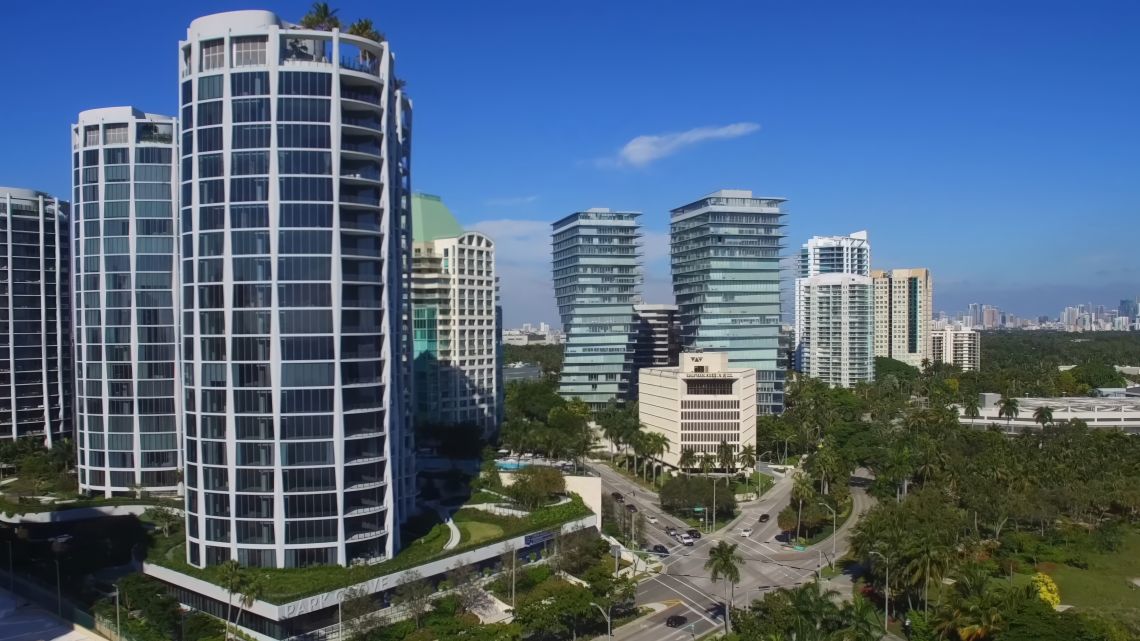
Bayfront condos overlook Biscayne Bay.
Historic homes sit beneath a lush emerald canopy.
A compact village core anchored by pedestrian-friendly retail, marinas, and waterfront parks.
Located just south of Brickell and bordering Coral Gables, The Grove is a residential enclave with direct access to the urban core, yet without the vertical density that characterizes other parts of Miami.
It isn't a single-style neighborhood; it's a layered market of gated enclaves, mid-rise condominiums, historic homes, and new modern construction that coexist in the same ZIP codes.
And this diversity comes with questions about Coconut Grove — pricing, flood zones, walkability, schools, market trends — that we all address in this guide.
Here's what you need to know about living in, visiting, and understanding Coconut Grove.
LIVING IN COCONUT GROVE
Is Coconut Grove an expensive neighborhood in Miami?
Yes. Coconut Grove is widely considered one of Miami’s higher-end residential markets.
Single-family homes typically range from approximately $2 million to over $6 million, with premier waterfront estates exceeding $10 million, depending on location and lot size.
Entry-level condos start in the high six figures and into the low seven figures.
This pricing reflects limited land supply, access to schools, proximity to Brickell, waterfront positioning, and sustained luxury redevelopment.
What is the cost of living in Coconut Grove?
The cost of living in Coconut Grove is higher than the Miami average, primarily due to higher housing prices, property taxes, and insurance costs.
Dining, private school tuition, marina access, and lifestyle amenities can also increase monthly expenses.
While everyday costs, such as groceries and utilities, are comparable to those in other Miami neighborhoods, total household expenses are higher due to real estate values and proximity to the waterfront.
What is the real estate market like in Coconut Grove?
The Coconut Grove market is inventory-constrained, as buildable land is limited, mature trees and zoning regulations restrict density, and tear-downs frequently give way to modern rebuilds.
Move-in-ready properties in desirable sections near the village core or Biscayne Bay often attract strong interest.
Competition levels vary by property condition, flood elevation, and micro-location.
What types of properties are available in Coconut Grove?
Housing in The Grove includes historic bungalows, Mediterranean estates, ultra-modern architectural homes, townhomes, mid-rise condominiums, and waterfront properties with private docks.
Meanwhile, high-rise development exists, although minimal compared to Brickell, preserving Coconut Grove's low-rise residential character.
Are there gated communities in Coconut Grove?
Yes, but they are limited and highly sought-after.
Communities such as Bay Heights feature controlled access and structured residential layouts.
Most of the Grove remains open residential zoning rather than fully gated.
Is Coconut Grove considered safe?
Coconut Grove is generally regarded as one of Miami’s more stable residential neighborhoods.
Crime levels depend on proximity to commercial corridors and major roadways, but The Grove performs better than higher-density downtown districts.
As with any neighborhood, safety assessments should be address-specific.
Does Coconut Grove flood?
Flood exposure depends heavily on elevation and proximity to Biscayne Bay.
Certain Coconut Grove waterfront properties fall within designated FEMA flood zones, while interior blocks may sit at higher elevations with different classifications.
Buyers often review flood maps, elevation certificates, and insurance requirements during due diligence.
What are property taxes and insurance costs like in Coconut Grove?
Property taxes in Coconut Grove reflect assessed property values, which are higher than those in many inland Miami neighborhoods.
Insurance premiums may rise for waterfront or lower-elevation homes, particularly those that require flood coverage.
Ownership costs should account for both taxation and potential insurance variability.
Is Coconut Grove walkable?
Walkability depends on proximity to the village center near CocoWalk, Main Highway, and McFarlane Road.
Those sections are where residents can access restaurants, retail, and parks on foot.
Interior residential streets are quieter and more car-dependent yet remain within short driving distance of daily necessities.
Is Coconut Grove good for young professionals?
Yes, particularly for those working in Brickell or Downtown Miami who prefer residential calm over high-rise density.
The Grove’s dining scene, marina access, and proximity to employment centers attract professionals seeking a balance between lifestyle and accessibility.
Is Coconut Grove family-friendly?
Yes. Waterfront parks, tree-lined residential streets, proximity to private academies, and lower density compared to Brickell contribute to its appeal among families.
At the same time, redevelopment has introduced modern luxury housing that attracts multi-generation residents.
What schools serve Coconut Grove?
Coconut Grove offers a strong list of public and private education options.
Zoning varies by specific address, and proximity to established private institutions contributes to consistent residential demand in Coconut Grove.
School access is one of the key long-term stability drivers for the area.
For more information, visit Best Schools in Coconut Grove.
How does Coconut Grove compare to Coral Gables for homebuyers?
Coconut Grove emphasizes waterfront access, organic street patterns, and a blend of historic and contemporary architecture.
Meanwhile, Coral Gables is known for Mediterranean-style planning, broader boulevards, and civic uniformity.
Buyers often choose The Grove for marina access and village atmosphere, and Coral Gables for architectural consistency.
How does Coconut Grove compare to Brickell?
Brickell is known for its high-rise condos and finance-driven energy.
On the other hand, Coconut Grove prioritizes single-family homes, tree canopy, and lower-density residential living.
Many professionals who work in Brickell commute from The Grove for greater privacy and space.
How does Coconut Grove compare to Key Biscayne?
Both are known for their waterfront lifestyle access, but Key Biscayne offers island living with more separation from mainland traffic.
Coconut Grove offers stronger connectivity to employment hubs like Brickell and Downtown.
Buyers deciding between the two often weigh commuting convenience against island exclusivity.
Is short-term rental or Airbnb allowed in Coconut Grove?
Short-term rental regulations depend on zoning and municipal ordinances.
Certain residential zones restrict short-term rentals, and homeowners' associations may impose additional limits within condo buildings or gated communities.
Buyers considering investing in Coconut Grove should verify the specific zoning rules and local rental regulations before purchase.
Is Coconut Grove a good long-term real estate investment?
Coconut Grove has historically demonstrated steady appreciation supported by limited land supply, proximity to employment centers, redevelopment trends, and continued luxury demand.
Waterfront and gated segments typically show the strongest long-term stability.
-topaz-upscale-2.1x.jpeg?w=1140)
VISITING COCONUT GROVE
What is Coconut Grove known for?
Coconut Grove is known for its waterfront identity along Biscayne Bay and its status as one of Miami’s oldest continuously inhabited neighborhoods.
It carries a reputation for tree-lined residential streets, village-scale retail centered around CocoWalk, and a longstanding sailing culture that distinguishes it from higher-density districts like Brickell.
Unlike Miami Beach’s tourism-driven energy, the Grove is recognized for combining waterfront access with low-rise residential living — a blend that gives it a distinct place within Miami’s overall landscape.
What are the top things to do in Coconut Grove?
Visitors often spend the day at Peacock Park along Biscayne Bay, exploring waterfront paths or escaping to CocoWalk, the village center, for dining and shopping.
A top tourist attraction in Coconut Grove, Barnacle Historic State Park, offers preserved 19th-century architecture and is one of the oldest homes in Miami.
Meanwhile, sailing clubs and marinas remain active cultural anchors, reinforcing The Grove's maritime identity.
Discover more things to do in Coconut Grove at Top 5 Things to Do in Coconut Grove.
Are there waterfront parks and marinas?
Yes. Coconut Grove includes multiple public parks along Biscayne Bay, boat ramps, and marina facilities.
The neighborhood has long been associated with boating and sailing, and access to the water remains one of its defining features.
Bayfront open space is more prominent in The Grove than in many other mainland Miami neighborhoods.
What shopping and dining experiences define Coconut Grove?
The retail core of Coconut Grove is CocoWalk and the surrounding pedestrian corridors, such as Commodore Plaza and Main Highway.
Rather than large commercial malls, the Grove emphasizes independent restaurants, sidewalk cafés, specialty boutiques, and open-air gathering spaces.
Meanwhile, dining experiences range from casual waterfront fare to upscale contemporary cuisine.
Are there hotels in Coconut Grove?
Yes. Coconut Grove offers boutique hotels and waterfront accommodations within walking distance of the village center and marinas.
Visitors often choose The Grove for a more residential alternative to high-density beachfront tourism.
Check some of the best accommodations at the Top 5 Hotels in Coconut Grove.
Are there annual events or festivals in Coconut Grove?
The annual King Mango Strut is one of The Grove's most distinctive traditions, reflecting its independent, locally driven culture.
The Coconut Grove Arts Festival is another celebration that draws regional visitors and highlights the area’s historic connection to the arts community.
-topaz-upscale-2.1x.jpeg?w=1140)
UNDERSTANDING COCONUT GROVE
Where is Coconut Grove located within Miami?
Coconut Grove is located south of Downtown Miami, along Biscayne Bay, and north of Coral Gables.
It connects directly to major road corridors such as US-1 and provides access to the Rickenbacker Causeway, serving as the link between mainland Miami and Key Biscayne.
What neighborhoods border Coconut Grove?
Coral Gables borders Coconut Grove to the west and south.
Brickell lies to the north.
Meanwhile, Biscayne Bay defines its eastern boundary, reinforcing its waterfront orientation.
What is the difference between North Grove and South Grove?
North Grove is closer to Downtown and features a concentration of waterfront estates, luxury redevelopment, and proximity to the village core.
South Grove typically offers larger interior lots, lower redevelopment intensity, and quieter residential streets beneath dense tree canopy.
Pricing and architectural styles can vary noticeably between these sections.
What ZIP codes cover Coconut Grove?
The primary ZIP code associated with Coconut Grove is 33133.
Boundaries may overlap slightly depending on postal designations, but 33133 remains the dominant identifier for residential and commercial areas within The Grove.
How old is Coconut Grove?
Coconut Grove is recognized as one of Miami’s oldest neighborhoods.
It predates much of the city’s high-rise expansion and retains historical landmarks that trace back to the late 19th century.
Its longevity contributes to its architectural variety and cultural identity.
How has Coconut Grove changed in recent years?
The Grove has undergone significant redevelopment, with older properties often replaced by contemporary luxury construction.
Property values have risen due to demand, while the village core has undergone modernization through updated retail and pedestrian improvements.
Despite new development, bayfront parks and low-rise zoning continue to preserve its residential character.
Who typically lives in Coconut Grove?
Residents include families with school-aged children, professionals working in Brickell and Downtown Miami, long-term Miami homeowners, and luxury buyers seeking both privacy and proximity to urban amenities.
The demographic mix reflects historic continuity and modern real estate demand.
-topaz-upscale-2.1x.jpeg?w=1140)
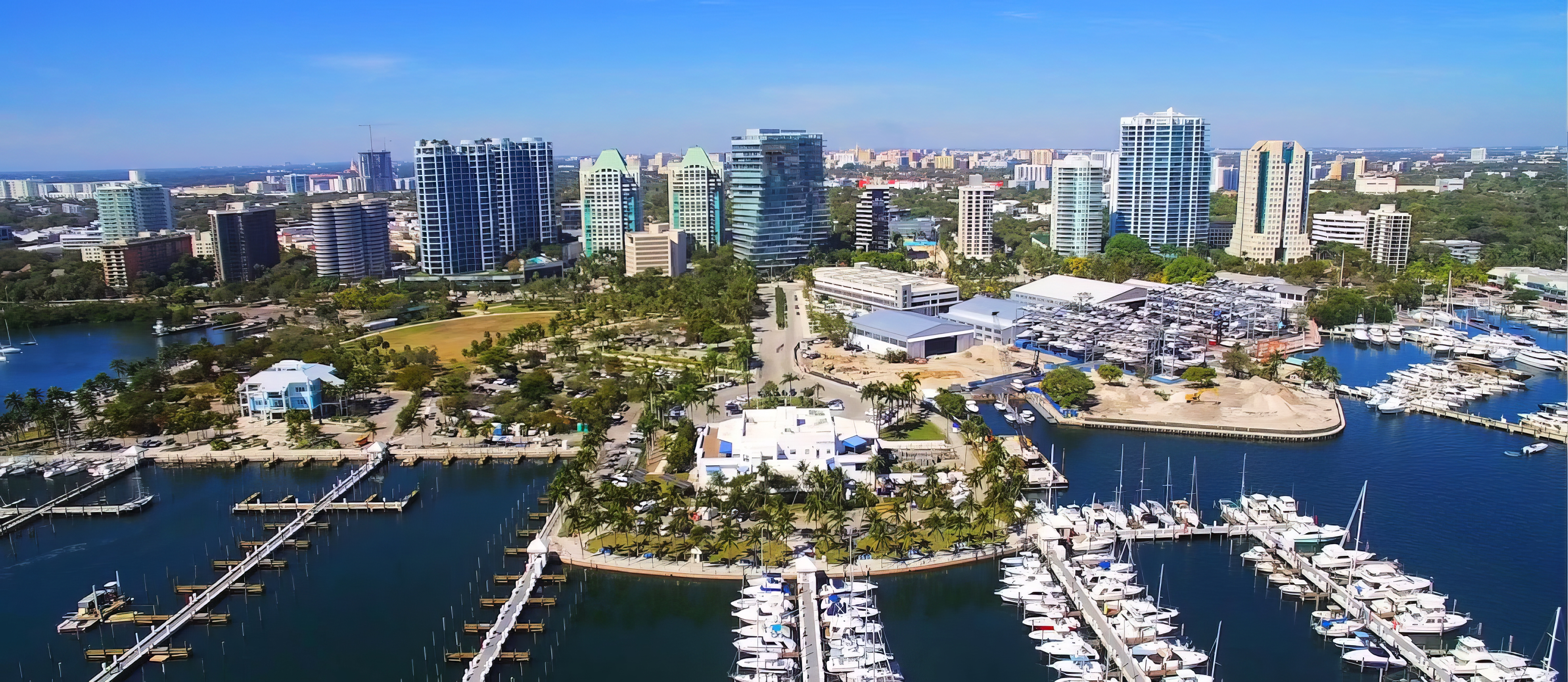
Coconut Grove, Miami, Florida - EVERYTHING You Want to Know
Spoil your eyes, minds, and hearts with a virtual tour along the captivating corners of Mi...
.png)
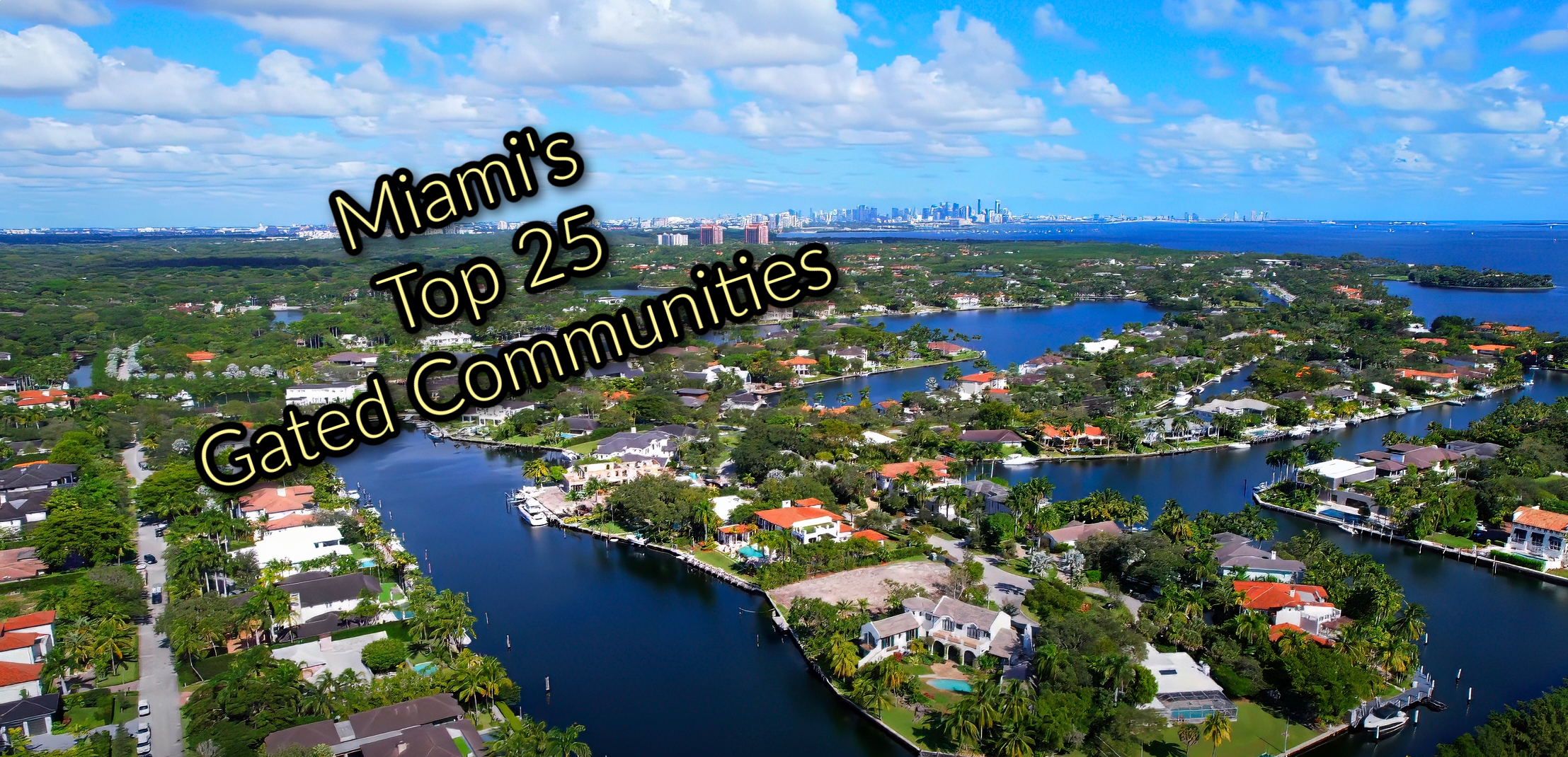
The Ultimate Guide to Miami-Dade's Top 25 Gated Communities for Single-Family Homes
Discover Miami's top gated communities in this essential guide for luxury home buyers...

Miami's BEST Restaurants in EVERY Neighborhood
Check out the absolute BEST restaurants in every neighborhood of Miami, including the best...
Selling Your Home?
Who are we?
We are the ALL IN Miami Group out of Miami.
We are Colombian, Filipino, Cuban, German, Japanese, French, Indian, Syrian, and American.
We are Christian, Hindu, and Jewish.
We are many, but we are one.
We sell luxury homes in Miami, Florida.
Although some of our clients are celebrities, athletes, and people you read about online, we also help young adults find their first place to rent when they are ready to live on their own.
First-time buyers?
All the time!
No matter what your situation or price range is, we feel truly blessed and honored to play such a big part in your life.