



What Nobody Tells You About Living in Sunrise Harbour

Amit Bhuta
I use non-traditional marketing to inspire the most motivated buyers to pay the max for Miami luxury homes...
I use non-traditional marketing to inspire the most motivated buyers to pay the max for Miami luxury homes...
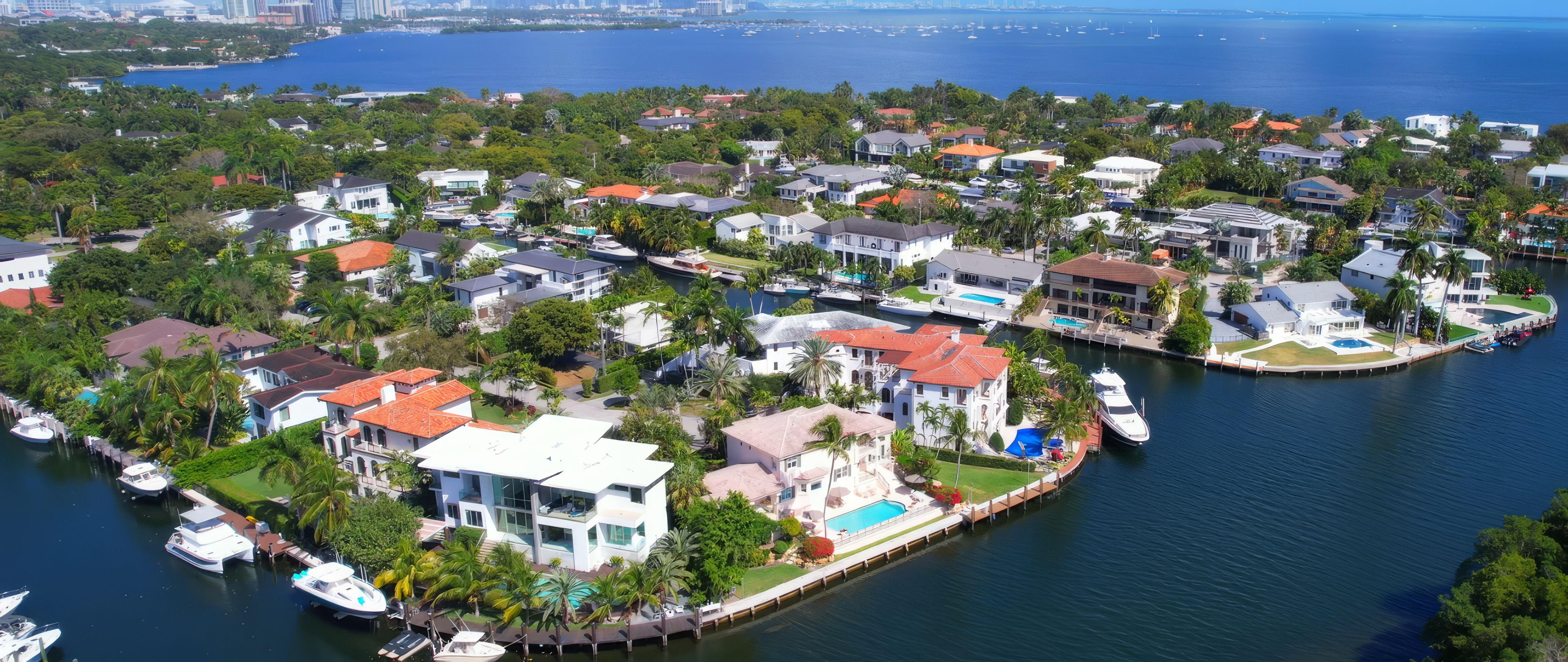
Deep within Coral Gables, in a habitat few outsiders ever witness, Sunrise Harbour thrives behind its guarded gate.
Here, the wealthy waterfront dwellers move gracefully from the mansion to the private dock, undisturbed by traffic, noise, or anything resembling a bad day.
Observe closely, and you'll notice the boats gliding out with no bridges blocking their path, which is a rare advantage in this particular ecosystem.
The children roam freely on quiet streets, seemingly unaware that "rush hour" exists just a few miles away.
It's a remarkable specimen of a neighborhood, calm on the surface and fiercely protected underneath.
But every ecosystem has its quirks, its odd rituals, its things longtime residents just accept without question.
So, step closer, because we're about to expose what really goes on beyond the gate.
Here are five things nobody tells you about living in Sunrise Harbour.
 (85).png?w=1140)
1) Surprise, You're Paying a Tax for That Guard
The guard booth looks like part of the scenery until the annual paperwork explains that security has a billing department.
Sunrise Harbour has a Security Guard Special Taxing District that funds enhanced neighborhood security services rather than relying only on an informal collection among neighbors.
For the fiscal year beginning October 1, 2025, the estimated maximum annual assessment was $3,800 for an improved lot and $1,900 for a vacant lot.
The charge is collected through the property tax bill, which gives “welcome to the neighborhood” a slightly more official and expensive tone.
This is not the same as paying ordinary property taxes and assuming the city will place a dedicated guard beside one particular entrance out of admiration for the landscaping.
The special district exists because controlled access requires staffing, administration, equipment, and a reliable funding source.
That arrangement can make the entrance more consistent than a volunteer system where someone eventually forgets to renew a contract, and everyone discovers it during a delivery.
It also means the cost can change as wages, operating needs, and service expenses change.
The gate can screen unfamiliar vehicles, manage visitors, and reduce random drive-through traffic, yet can't guarantee that every delivery arrives on time or that nobody enters after receiving permission from a resident.
It also does not replace normal home security, cameras, alarms, or the common sense required when a property has several doors and a waterfront edge.
Buyers should therefore review the assessment, understand what the district provides, and ask whether separate neighborhood or homeowner charges exist beyond it.
Sunrise Harbour offers a protected entrance, but the protection is a maintained public service rather than a complimentary bow tie around the subdivision.
The guard may greet you warmly, but the tax bill introduces itself with considerably less charm.
 (86).png?w=1140)
2) No Bridges, But Plenty of Reality Checks
A bridge-free route answers the height question and then subtly hands the microphone to every other boating question.
The absence of fixed bridges can make Sunrise Harbour's access to Biscayne Bay far easier for larger vessels, but it does not guarantee that every waterfront property works for every boat.
Canal depth, tidal variation, vessel draft, beam, dock length, turning room, lift capacity, and the position of neighboring docks all matter.
A listing may say “direct bay access,” while the boat may say, “I cannot make that turn without becoming neighborhood entertainment.”
The existing dock also deserves more than a glance from the patio.
Its dimensions, permits, pilings, electrical service, lift equipment, and relationship to the property line can affect whether it is useful, legal, repairable, or waiting to introduce an expensive problem.
Marine work can involve Coral Gables, Miami-Dade environmental review, state requirements, and federal authorization depending on the project.
A Sunrise Harbour dock and dredging application at 6919 Sunrise Terrace required a Miami-Dade Class I permit review that considered water depth, navigation, water quality, environmental impacts, and additional agency approvals.
That example shows why “we can dredge it later” is not a complete plan unless several agencies have already agreed to it.
Even a boat that fits today may require future maintenance to the dock, lift, pilings, or canal bottom.
A marine surveyor and experienced local captain can reveal limitations that are difficult to spot while standing beside the pool holding a brochure.
Sunrise Harbour offers the rare pleasure of keeping a boat behind the house and reaching open water without ducking beneath bridges.
The thing is, the house, dock, canal, and vessel must all agree with one another before the lifestyle works as smoothly as the listing suggests.
No bridges remove one obstacle, but boating has always been creative enough to provide several replacements.
 (87).png?w=1140)
3) The Bay Doesn't Knock; It Just Comes In
Biscayne Bay has never mistaken a property line for a firm personal boundary.
Sunrise Harbour’s canals create beautiful backyards and direct boating access, and also connect the neighborhood to tides, heavy rain, storm surge, and water that occasionally overflows beyond its assigned area.
Coral Gables commissioned a drainage assessment after residents reported flooding associated with rainfall and seasonal high tides.
The study examined the existing stormwater system, neighborhood elevations, tidal backflow, water quality, drainage improvements, and possible flood mitigation options.
Those options included changes such as protecting outfalls from reverse flow, improving drainage capacity, adding green infrastructure, and studying whether portions of the roadway may need to be raised.
That is a large amount of engineering for water that looked very peaceful during the showing.
Private properties have their own line of defense through seawalls, drainage systems, pumps, landscaping grades, generators, and properly protected equipment.
But a seawall can appear solid from the lawn while hiding cracks, movement, corrosion, weak sections, or an elevation that no longer matches newer standards.
Saltwater also spends every day working on metal gates, dock hardware, outdoor kitchens, pool equipment, electrical components, and anything whose manufacturer used the phrase “weather resistant” with excessive optimism.
Storm preparation may involve securing boats, testing pumps and generators, moving furniture, clearing drains, and checking whether vulnerable systems sit high enough above expected water levels.
Yes, waking up beside the bay is still one to beat.
However, the waterfront is not merely a view but a living system that requires inspections, maintenance, insurance planning, and occasional conversations with people who own measuring equipment.
Sunrise Harbour puts Biscayne Bay in the backyard, and the bay responds by joining the household without contributing to utilities.
 (88).png?w=1140)
4) Renovate at Your Own Bureaucratic Risk
Coral Gables does not view a major renovation as a private disagreement between an owner and a wall.
The city has architectural standards, permit requirements, historic review procedures, and tree protections that can turn a dream makeover into a long relationship with forms.
Interior cosmetic work may remain straightforward, but additions, exterior changes, demolition, new construction, pools, roofs, driveways, colors, and landscaping can require detailed plans and formal review.
The Board of Architects evaluates residential projects for design quality, neighborhood context, materials, massing, and compatibility with Coral Gables standards.
Demolishing an existing house may also require a Historical Significance Determination before it advances.
That process is not theoretical in Sunrise Harbour.
In fact, the city issued a Historical Significance Determination for 6825 Sunrise Drive in June 2025, placing a neighborhood property directly inside the review system.
Trees can add another layer because removal, relocation, protection, and replacement may require documentation.
Older waterfront homes may also contain additions, electrical work, plumbing, windows, docks, pools, or structural changes completed under different codes and permit histories.
Once those discoveries appear, the renovation can expand from “update the kitchen” into “locate several decades of municipal paperwork.”
Architects and contractors familiar with Coral Gables can help, since they know which details may require corrections before the plans proceed.
The process protects neighborhood character and discourages careless redevelopment, but it can challenge schedules built on optimism and one inspirational photo folder.
In Sunrise Harbour, knocking down a wall may be the easiest part; reaching the approved wall-knocking portion is where the story develops subplots.
 (89).png?w=1140)
5) You'll Google Maps Everything, Even Coffee
Sunrise Harbour is close to Coconut Grove, as a waterfront mansion is near its front gate.
The distance may be small, but daily life still requires crossing it.
The enclave is designated for single-family residential use rather than built around shops, cafés, restaurants, or a commercial main street.
There is a neighborhood park near the entrance, but it does not sell coffee, groceries, allergy medicine, printer ink, or the one ingredient you thought was already in the pantry.
Most errands therefore involve driving out, arranging delivery, or asking someone already on the road to become the household hero.
That setup protects Sunrise Harbour from the foot traffic, parking turnover, and delivery chaos that usually follow a busy retail strip.
It also removes the option of wandering downstairs for breakfast because nobody wants to man the blender.
Coconut Grove, South Miami, and the wider Coral Gables area offer plenty of dining, shopping, schools, and services, but none sits inside the neighborhood gate.
The difference between “nearby” and “walk outside and get it” becomes clear the first time someone needs coffee before becoming qualified to drive for coffee.
Deliveries can solve much of the problem, but they bring gate instructions, phone calls, missed turns, and drivers who reach the entrance but remain far from the correct house.
Household staff, contractors, tutors, cleaners, landscapers, and repair crews also pass through the same access point, giving an otherwise quiet enclave a steady background schedule of arrivals.
Sunrise Harbour offers peace because nearly everything useful requires a destination pin, a car key, or a delivery note written with the precision of an air-traffic controller.
WHO GETS THE MOST OUT OF LIVING IN SUNRISE HARBOUR?
Those who prefer a dock, a gate, and a little distance from everything else
In Sunrise Harbour, a home is meant to be the destination rather than the place between errands.
The neighborhood places quiet residential streets, private yards, docks, and direct bay access inside a small waterfront pocket near Coconut Grove.
That setup suits a daily rhythm built around boating, outdoor space, entertaining at home, and returning to a street that is not competing for restaurant parking.
Coconut Grove and Coral Gables remain close enough for dinner, school, shopping, and appointments without bringing their busiest activity through the neighborhood.
The lack of businesses inside Sunrise Harbour helps preserve the calm that makes the enclave appealing in the first place.
The guarded entrance adds another layer of separation from random traffic, even though the annual security charge confirms that privacy has never heard of free shipping.
Boating is one of the neighborhood’s clearest advantages because the route to Biscayne Bay avoids fixed bridges.
The neighborhood also offers enough variety in its homes to choose between an older property with character, a heavily renovated house, or a newer custom estate.
Coral Gables’ design oversight helps keep future construction from becoming a free-for-all involving mirrored castles and twelve unrelated rooflines.
Sunrise Harbour's best version centers on luxury in space, water access, and quiet rather than shops, nightlife, or constant activity.
It works especially well when the perfect evening ends beside the canal instead of beginning with a search for somewhere else to go.
WHO MAY WANT TO KEEP LOOKING?
Anyone who wants coffee, errands, and a little spontaneity outside the front door
Sunrise Harbour is not the neighborhood for waking up, walking two minutes, and returning with coffee before anyone notices you left.
There is no café, grocery store, pharmacy, bakery, or casual row of businesses waiting beyond the nearest hedge.
Even though Coconut Grove is nearby, daily convenience usually begins with a car key, a delivery app, or someone announcing that they are already out and can pick something up.
That gap matters more than it appears during a showing scheduled after everyone has eaten and remembered the sunscreen.
A forgotten carton of milk can become a trip, while a sudden dinner plan requires choosing a destination before simply wandering toward one.
Delivery services solve much of the problem, although the gate, call box, directions, and waterfront street names occasionally turn lunch into a navigation exercise.
The same quiet streets that make Sunrise Harbour peaceful also mean there is little casual foot traffic, neighborhood browsing, or spontaneous activity outside the house.
School runs, appointments, household services, and most social plans repeatedly lead beyond the entrance, even when the actual distance is not far.
The boating lifestyle may be convenient from the backyard, but your land activities and checklists require more planning.
Anyone who wants a lively, walkable neighborhood where errands blend naturally into the day may find Sunrise Harbour too separate from the action.
Sunrise Harbour offers an excellent retreat from the city, but it is less convincing when the goal is to step outside and immediately participate in it.
AN HONEST TAKEAWAY
What living in Sunrise Harbour really comes down to
Sunrise Harbour is one of those neighborhoods whose greatest strength and biggest limitation come from the same decision.
It keeps the outside world nearby without allowing much of it inside.
The result is a quiet waterfront enclave with guarded access, private docks, spacious homes, and very little reason for strangers to pass through.
It creates real peace, but also removes the shops, coffee stops, casual errands, and everyday buzz that make other neighborhoods easier to navigate on foot.
The bay gives Sunrise Harbour its personality through boating, open views, and a backyard that feels connected to the water rather than merely facing it.
The gate helps protect the residential atmosphere, although the tax bill makes sure nobody mistakes it for a decorative accessory.
Coral Gables adds another layer of control through design review and permit rules, which can preserve the neighborhood while making ambitious renovations considerably less spontaneous.
Coconut Grove fills in many of the missing pieces nearby, but “nearby” still requires leaving the enclave to reach them.
This is not simply convenience versus privacy, as it is also activity versus quiet, walkability versus space, and neighborhood energy versus having the canal mostly to yourself.
Sunrise Harbour is where the home provides the best parts of the day.
Living on Sunrise Harbour comes down to choosing a private waterfront base over a neighborhood that entertains you the moment you step outside.
Sunrise Harbour, Miami, Florida - EVERYTHING You Want to Know
Get comfortable, sip on something refreshing, and prepare to explore the refined beauty a...
.png)
The Ultimate Guide to Miami-Dade's Top 25 Gated Communities for Single-Family Homes
Discover Miami's top gated communities in this essential guide for luxury home buyers...


Miami's BEST Restaurants in EVERY Neighborhood
Check out the absolute BEST restaurants in every neighborhood of Miami, including the best...
Selling Your Home?
Who are we?
We are the ALL IN Miami Group out of Miami.
We are Colombian, Filipino, Cuban, German, Japanese, French, Indian, Syrian, and American.
We are Christian, Hindu, and Jewish.
We are many, but we are one.
We sell luxury homes in Miami, Florida.
Although some of our clients are celebrities, athletes, and people you read about online, we also help young adults find their first place to rent when they are ready to live on their own.
First-time buyers?
All the time!
No matter what your situation or price range is, we feel truly blessed and honored to play such a big part in your life.