



What Nobody Tells You About Living in Sunny Isles Beach

Amit Bhuta
I use non-traditional marketing to inspire the most motivated buyers to pay the max for Miami luxury homes...
I use non-traditional marketing to inspire the most motivated buyers to pay the max for Miami luxury homes...
Sunny Isles Beach is the only place where your neighbor's Porsche rides an elevator to bed like you.
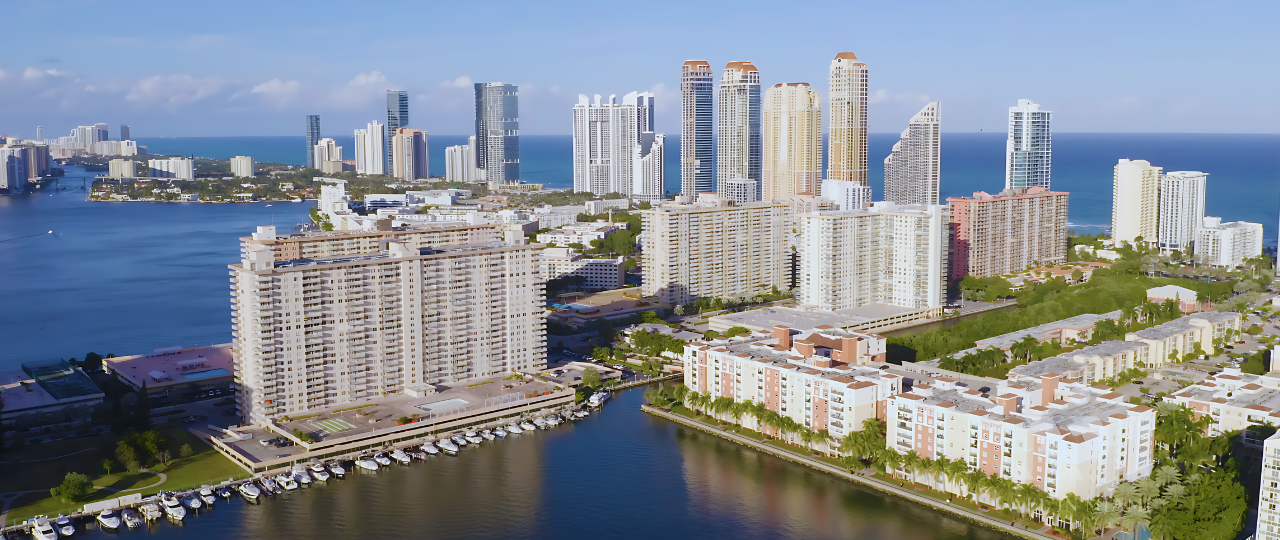
In fact, "car elevators in the sky" is just one item on Sunny Isles Beach's long list of flexes, along with high-rising towers, equally tall price tags, and valet lines that resemble a luxury car showroom party.
But is it really the "permanent Miami Vice fantasy" that new residents and tourists expect it to be?
While it may be so, there are also a few very specific, very unglamorous truths that can show up right on schedule to burst your bubble.
Here are seven things nobody tells you about living in Sunny Isles Beach.
 (77).png?w=1140)
1) Your Bill Comes With a Sequel
The closing statement is not the grand finale, but the opening scene before the building introduces the rest of the cast.
Sunny Isles Beach condo ownership can include monthly association dues, insurance increases, reserve contributions, shared-system repairs, and special assessments that were nowhere near the infinity pool in the listing photos.
Those fees keep elevators moving, common areas cleaned, security desks staffed, pools maintained, and beachfront towers functioning like the vertical resorts they resemble.
The amount matters, but the reason behind it matters more.
A high monthly fee may support extensive services and strong reserves, and a low one can sometimes mean expensive work has been postponed until everyone becomes emotionally attached to the lobby.
Coastal condo buildings three stories or taller may require recertification at 25 years, depending on their construction date, followed by another inspection every ten years.
Those inspections can uncover structural, electrical, façade, waterproofing, or mechanical work that cannot be solved by placing another orchid arrangement near the concierge desk.
The association budget, reserve study, inspection history, insurance documents, meeting minutes, and pending projects are important fees you can't run from.
A freshly remodeled unit can still sit inside a building preparing for concrete restoration, elevator replacement, or a special assessment with the financial energy of a second mortgage.
This does not mean every older tower is a problem or every newer one is financially carefree.
It means the unit price tells you what it costs to enter, while the building records explain what everything inside may cost.
In Sunny Isles Beach, the first bill gets the glamorous reveal, and the sequel usually arrives without a trailer.
 (78).png?w=1140)
2) Every Building Runs Its Own Tiny Republic
Crossing from one Sunny Isles Beach lobby to another can resemble passing through immigration.
Each tower has its own rules, staff, routines, guest procedures, renovation policies, pet limits, delivery systems, parking arrangements, and held opinions about what you can put on a balcony.
One building may double as a private hotel where the valet remembers the car and the concierge knows the dinner reservation before the family does.
Another may be quieter, less formal, and governed by a front desk that closes before the evening has made any serious decisions.
Some towers depend heavily on valet parking, which sounds elegant until you realize that leaving your sunglasses in the glove compartment becomes a scheduled activity.
Private elevators provide impressive arrivals, but service elevators, move-in reservations, contractor hours, and renovation deposits can make changing a sofa surprisingly administrative.
Rental policies also vary widely.
Sunny Isles Beach requires a city license for short-term vacation rentals, and the condo association must provide consent or governing documents that allow the unit to be rented a certain way.
That means one tower may have a steady flow of suitcases, food deliveries, and guests asking where the beach is, while the building next door functions like a much more peaceful permanent residence.
The important part is knowing whether the building’s pace matches the life happening inside the unit.
A spectacular apartment cannot overrule an irritating parking system, an uncomfortable rental culture, or a rulebook that treats furniture delivery as a matter of national security.
In Sunny Isles Beach, the tower is not just where the home is located; it is the tiny government that controls how the home behaves.
 (79).png?w=1140)
3) There's an Entire Town Humming Behind the Glitter
From across the water, Sunny Isles Beach can look like one continuous advertisement for balconies.
At ground level, someone is heading to school, walking the dog, registering for a class, picking up mail, attending a city event, or trying to convince a child that the splash pad cannot become their bedroom.
The city covers only 1.78 square miles, yet it maintains eleven public parks along with community facilities, recreation programs, a library, a post office, and a local K–8 school.
Pelican Community Park serves as a hub for activities and learning, while The Spot gives local teenagers a place designed specifically for them.
There are youth athletics, adult classes, senior events, cultural outings, holiday programs, and resident discounts that have very little to do with cabanas or imported lobby stone.
This everyday civic life gives Sunny Isles Beach more substance than its resort skyline initially reveals.
The neighborhood can be glamorous at sunset and completely ordinary five minutes later when parents are negotiating homework, and somebody has misplaced a library book.
Its international character also shows up in restaurants, conversations, businesses, events, and the many languages heard during a basic trip down Collins Avenue.
The towers may dominate the photographs, but parks, schools, programs, and local routines determine how the city works between beach days.
That contrast can surprise anyone expecting a place occupied only by vacationers, second-home owners, and people who dress formally to collect packages.
Sunny Isles Beach leads with tourists and luxury branding, but it also has regular Wednesdays.
The glitter attracts attention from a distance.
The town underneath it is what keeps the place moving once everyone has taken the balcony photo.
 (80).png?w=1140)
4) Daily Commute Answers to a Single Road
Every journey through Sunny Isles Beach eventually reports to Collins Avenue.
It is the city’s main north-south spine, carrying local drivers, regional traffic, buses, pedestrians, delivery vehicles, hotel guests, school trips, and anyone who needs to go in and out of Sunny Isles Beach.
That concentration makes a short drive unpredictable because distance is only one member of the decision-making committee.
An accident, a lane closure, a busy intersection, a bridge delay, or a wave of afternoon traffic can quickly rewrite the schedule.
The city’s transportation planning continues to focus on safety and movement along Collins Avenue, Sunny Isles Boulevard, and the William Lehman Causeway because these corridors handle so much of the local flow.
The Lehman Causeway provides the major connection to Aventura and the mainland, while Sunny Isles Boulevard links the city toward North Miami Beach.
When either route becomes congested, the oceanfront location begins to resemble a beautiful waiting room.
The city operates three free community bus lines, helping with local movement and offering a useful alternative to driving for some trips.
The buses still travel through the same street network, so they cannot negotiate a private peace treaty with traffic.
Walking works well for parks, restaurants, the beach, and nearby errands, although crossing a broad, busy corridor can be more telling than the vacation scenery suggests.
A current state study is also examining better pedestrian and bicycle connections along the Lehman Causeway, which shows how difficult non-driving mainland access remains today.
Sunny Isles Beach may place Aventura, Bal Harbour, Miami Beach, and the mainland within convenient geographic reach.
The catch is that Collins Avenue decides when you arrive.
 (81).png?w=1140)
5) Today's Ocean View, Tomorrow's Construction Zone
An open parcel in Sunny Isles Beach is not a space but a suspenseful plot with zoning documents.
The city’s skyline has changed dramatically over the years, and it has not finished adding floors.
Current approved projects include the 62-story Miami Beach Club, the two-tower St. Regis Residences development, and the 62-story Bentley Residences.
Those projects bring new homes and amenities, but they can also bring demolition, cranes, concrete trucks, sidewalk changes, temporary closures, delivery activity, and construction sounds with an excellent morning routine.
A lower neighboring property may offer a wide view today and become a foundation for a much taller building in the future.
That matters when a unit’s price depends heavily on the promise of open sky, sunlight, or a clean line to the ocean.
Even when a direct view remains, nearby construction can alter privacy, noise, traffic patterns, and the simple pleasure of opening the balcony door during a meeting.
Sales centers and renderings can also make an unfinished project look as calm as a meditation retreat.
The lived version includes workers, equipment, dust control, staging areas, and a timeline that may outlast the original estimate with impressive confidence.
New development is not bad because modern buildings can raise standards, refresh neglected sites, and add value to the city.
The problem starts when“nothing will ever be built there” is treated as a legal fact instead of something said during a showing.
In Sunny Isles Beach, buyers should study the neighboring parcels as carefully as the unit, as the future view may have already hired an architect.
 (82).png?w=1140)
6) VIP Treatment Stops Exactly Where the Sand Says So
The attendant may remember the preferred chair location, but the Atlantic Ocean does not recognize membership tiers.
Many oceanfront towers provide private entrances, towels, umbrellas, loungers, food service, and even assistance to carry sunscreen (yes, we're exaggerating).
The beach beyond that service remains public.
Sunny Isles Beach maintains numerous public access points along Collins Avenue, with nearby showers, bike racks, metered parking, parks, and the Newport Fishing Pier helping visitors reach the shoreline.
The public beach is open from sunrise to sunset, so residents share the sand with hotel guests, local families, tourists, swimmers, walkers, photographers, and anyone who completed the parking portion of the trip.
A private building entrance can make the trip downstairs easier, but it cannot reserve the strip of shoreline directly in front of the tower for people wearing the correct wristband.
Busy weekends and pleasant winter weather can fill the beach with umbrellas, children, coolers, and groups whose equipment suggests they are relocating permanently.
The crowd may be lively without being disruptive, but it changes the meaning of “private beach living.”
What is private is the service, access route, pool deck, and collection of chairs controlled by the building, but the sand, water, and horizon are shared with the public.
That arrangement can be ideal for anyone who enjoys resort convenience without needing the outdoors to become an empty stage.
It can be disappointing for anyone who expects the tower’s exclusivity to extend all the way to the tide line.
Sunny Isles Beach offers VIP treatment beside the beach, not ownership of the beach itself.
 (83).png?w=1140)
7) King Tides Never RSVP
The water does not consult the concierge before it shows itself.
King tides are the highest predicted high tides of the year, and in Sunny Isles Beach, they can contribute to nuisance flooding in coastal and low-lying areas, especially when they meet with heavy rain, strong wind, or large waves.
They generally occur several times a year, with the highest tides in Southeast Florida often appearing during the fall.
That means an ordinary sunny day can still bring water into places where nobody ordered a waterfront feature.
Flood risk is not limited to waves crashing dramatically over the beach because drainage systems, roads, garages, ground-level equipment, and access routes can all be affected by rising water and intense rainfall.
The city now offers a property-specific flood portal, so owners, buyers, developers, and insurance professionals can review local risk information and elevation records.
Standard homeowners insurance does not cover flood damage, which makes separate flood coverage an important part of the coastal ownership conversation.
Sunny Isles Beach is also upgrading drainage infrastructure, including high-capacity pumps at the Golden Shores Pump Station and a planned Central Island project intended to increase stormwater capacity.
The shoreline needs attention too.
Sunny Isles Beach has undergone major beach nourishment to replace sand lost through erosion and strengthen the coast’s protective buffer.
Salt, wind, storms, and moisture continue working on buildings even when the weather appears perfectly cooperative.
The oceanfront setting delivers beautiful mornings, direct beach access, and the daily pleasure of watching the water change color.
It also requires accepting that the same water occasionally arrives unannounced, ignores the dress code, and brings an infrastructure charge.
WHO GETS THE MOST OUT OF LIVING IN SUNNY ISLES BEACH?
Those who want a resort-style lifestyle but accept that there's a real city underneath
Sunny Isles Beach is at its strongest when a regular weekday can move from school drop-off to a beach chair without changing zip codes.
The city packs oceanfront towers, neighborhood parks, community programs, restaurants, errands, and direct sand access into a very narrow strip.
Behind the glass balconies, there is a real town keeping normal hours, even while the skyline looks dressed for vacation.
That mix suits people who want fancy surroundings without living in a place that goes silent once hotel guests check out.
The right building can make the whole setup remarkably easy, with staff, security, pools, gyms, beach service, and common areas handled downstairs.
The wrong building can turn the same address into a daily debate about valet lines, rental turnover, or elevator reservations.
Sunny Isles Beach also rewards routines that can remain local, because walking covers many beach trips, park visits, meals, and small errands.
Collins Avenue is easier to tolerate when it is not being asked to support every part of the week.
The city’s international character adds more texture than the resort branding suggests, from the food to the languages heard in parks and lobbies.
Its best rhythm comes from enjoying the glamour without expecting the entire city to behave like a private hotel.
In that version of daily life, Sunny Isles Beach guarantees convenience, energy, and ocean access with enough ordinary life underneath to keep the sparkle from becoming exhausting.
WHO MAY WANT TO KEEP LOOKING?
Anyone who wants the ocean without rules and extra fees
Sunny Isles Beach has no interest in pretending the oceanfront comes with simple instructions.
The city becomes a harder sell when low monthly costs, predictable travel times, permanent views, and complete privacy are part of the wish list.
Condo fees can rise, reserve studies can uncover expensive work, and one special assessment can turn the budget into a letter from the principal that nobody wants to open.
Building rules may also include parking, guests, pets, rentals, renovations, deliveries, and the exact hour a sofa is allowed to enter the service elevator.
Collins Avenue can stretch a short trip far beyond its mileage, especially when construction, school traffic, or a bridge delay joins the party.
The skyline is still changing, so an open view today may already have a sales brochure in its future.
Beach service can be private, but the sand is not, which means hotel guests, day visitors, and local families share the same shoreline.
King tides, heavy rain, and flood planning are also part of the package as the water occasionally ignores property lines and lobby décor.
Sunny Isles Beach offers little relief to anyone who wants a detached-house routine, a private yard, or freedom from association decisions.
It asks for patience with cranes, elevators, valet systems, and weather alerts that arrive earlier than guests.
The city can look effortless from a balcony, but anyone unwilling to manage its financial, traffic, building, and coastal fine print may be happier farther inland.
AN HONEST TAKEAWAY
What living in Sunny Isles Beach really comes down to
The easiest mistake is judging Sunny Isles Beach from the water.
From that angle, it looks like a finished row of luxury towers waiting for somebody to order room service.
On the ground, it is a compact city where school traffic, construction crews, condo boards, public beach access, and flood planning all share the same narrow strip.
Sunny Isles Beach offers a rare combination of oceanfront living and real everyday infrastructure, but each convenience is run by a system with rules, costs, and occasional delays.
The building shapes the home, Collins Avenue shapes the schedule, and the shoreline shapes the maintenance plan.
The city also keeps surprising people who expect only tourists, because parks, programs, families, seniors, and year-round routines continue behind the resort image.
Its glamour is genuine, but so are the elevator bookings, reserve meetings, public beach crowds, and cranes appearing beside someone’s carefully framed sunset.
Sunny Isles Beach's direct beach access and active waterfront setting remain difficult to copy, and also make this neighborhood more of a working city wearing very expensive sunglasses.
Here, life comes down to deciding whether the ocean, convenience, and high-rise energy are worth sharing control with the building, the road, the skyline, and the tide.
%20(58).png)
Sunny Isles Beach, Miami, Florida - EVERYTHING You Want to Know
Welcome to your virtual journey across Sunny Isles Beach. By the end of this guide, you&#...
.png)
The Ultimate Guide to Miami-Dade's Top 25 Gated Communities for Single-Family Homes
Discover Miami's top gated communities in this essential guide for luxury home buyers...


Miami's BEST Restaurants in EVERY Neighborhood
Check out the absolute BEST restaurants in every neighborhood of Miami, including the best...
Selling Your Home?
Who are we?
We are the ALL IN Miami Group out of Miami.
We are Colombian, Filipino, Cuban, German, Japanese, French, Indian, Syrian, and American.
We are Christian, Hindu, and Jewish.
We are many, but we are one.
We sell luxury homes in Miami, Florida.
Although some of our clients are celebrities, athletes, and people you read about online, we also help young adults find their first place to rent when they are ready to live on their own.
First-time buyers?
All the time!
No matter what your situation or price range is, we feel truly blessed and honored to play such a big part in your life.