



What Nobody Tells You About Living in Little Haiti

Amit Bhuta
I use non-traditional marketing to inspire the most motivated buyers to pay the max for Miami luxury homes...
I use non-traditional marketing to inspire the most motivated buyers to pay the max for Miami luxury homes...
A few years ago, barely anyone outside Miami had heard of Little Haiti.
Recently, the situation has taken a 360-degree turn, and we're all for it.
With its name on every "neighborhoods to watch" list, Little Haiti's art scene is growing, new restaurants keep popping up, and the prices, for now, still feel like a relative bargain compared to nearby areas.
This buzz has brought an endless wave of new neighbors chasing the same thing: character, culture, and a deal before everyone else catches on.
But what they don't know is that living somewhere with this much personality comes with its own learning curve.
And we're here to finally talk about what those lists don't mention: What it's actually like once you're living in Little Haiti full-time, past the weekend visits and the cute photos.
Here are seven things nobody tells you about living in Little Haiti.
 (15).png?w=1140)
1) The Culture Doesn't Clock Out at 5 PM
Little Haiti is not a neighborhood where culture packs up, turns off the lights, and says, “See you at the next festival.”
It is in the bakeries, the storefronts, the murals, the music, the church signs, the food smells, the language, the markets, and the everyday rhythm of people running regular errands with more personality than some cities manage during an entire parade.
That is what makes Little Haiti different from places that perform culture only when visitors are nearby holding iced lattes and taking vertical videos.
Here, Haitian and Afro-Caribbean identity is not a decorative theme.
It is part of the neighborhood’s daily operating system.
You can feel it around the Little Haiti Cultural Center, the Caribbean Marketplace, local restaurants, small businesses, art spaces, and streets where the neighborhood’s identity has been built through immigration, memory, work, and community pride.
But it doesn't mean that every day is a cultural celebration with perfect lighting and background music.
People still have bills, traffic, laundry, appointments, and the universal Miami problem of wondering why one quick errand has become a trilogy.
But even ordinary life in Little Haiti carries a strong sense of place.
In fact, it has enough character to lend some neighboring districts that are still trying to develop a personality beyond exposed concrete and expensive salads.
 (16).png?w=1140)
2) This Neighborhood Has a Prequel Nobody Talks About
Before Little Haiti became Little Haiti, there was Lemon City.
This earlier chapter proves that the neighborhood did not simply appear one day with murals, music, and very good food.
Lemon City was one of Miami’s older settlements, with roots that reach back before the City of Miami became the Miami everyone now argues about on the internet.
The area has carried different names, different communities, different pressures, and different waves of change long before the current conversation about development and gentrification showed up with a clipboard.
Then Haitian immigrants helped reshape the neighborhood in the 1970s and beyond, giving it the identity many people now recognize.
That shift was not just a name change, but a cultural rebuilding.
People opened businesses, formed institutions, built churches, created gathering places, and made a neighborhood that reflected Haiti, Miami, and the immigrant experience all at once.
This means treating Little Haiti as only a colorful district dismisses the older foundation underneath it.
The neighborhood has a backstory, and like most backstories in Miami, it includes migration, reinvention, land, pressure, and people trying to make home out of whatever the city handed them.
Little Haiti has a prequel.
Miami just skipped the opening credits.
 (17).png?w=1140)
3) It's A Great Tourist Spot But Totally Different On a Tuesday Errand Run
Little Haiti can be wonderful to visit.
You can go for art, food, music, cultural events, the Caribbean Marketplace, and the feeling that Miami remembered how to be interesting, even without a velvet rope.
But living in Little Haiti is not the same as planning a cute Saturday stop with comfortable shoes and a camera roll begging for mercy.
On a Tuesday, this community is filled with people getting to work, picking up groceries, waiting in line, looking for parking, dealing with appointments, dodging construction, and trying to finish errands before the afternoon heat starts acting personally offended.
And that shows you the difference between a cultural destination and a residential neighborhood.
Visitors may notice the murals first.
Residents notice whether the pharmacy is open, whether the road is blocked, whether rent went up, whether the noise is worse this week, and whether they can get home before traffic turns one avenue into a group therapy session.
The cultural attractions are part of the neighborhood’s beauty, but they are not the whole neighborhood.
Little Haiti is not a weekend postcard.
It is a place where people live full, practical, messy, ordinary lives surrounded by history and culture that outsiders often experience in small, curated doses.
 (18).png?w=1140)
4) Close to Everything Comes With a Catch
Little Haiti has the location that makes people open a map and start getting ideas.
It sits near Wynwood, the Design District, Midtown, the Upper Eastside, MiMo, and other parts of Miami that have already been renamed, rebranded, and real-estated into conversations with much higher price tags.
That proximity is useful if you live on this side of town, as it can make work, dining, events, galleries, shops, and major corridors feel more accessible than they would from farther-out neighborhoods.
But in Miami, being close to desirable places is both a blessing and a warning label.
Convenience attracts residents.
It also attracts investors, developers, speculators, and people who say “up-and-coming” with the exact tone that makes longtime locals start checking their locks and lease terms.
The location is part of Little Haiti’s appeal, but it is also part of the pressure.
A neighborhood can be loved for its culture and targeted for its geography at the same time.
Little Haiti is close enough to major Miami activity to feel connected, but that same connection makes it harder for the neighborhood to remain overlooked.
In Miami, central location does not just shorten the drive.
It raises the stakes.
 (19).png?w=1140)
5) Affordable Today, Negotiable Tomorrow
Little Haiti has long been seen as one of the more attainable parts of central Miami.
And in Miami, “affordable” can mean anything from genuinely manageable to “less financially terrifying than the place ten blocks away.”
Compared with glossier nearby areas, Little Haiti can still look like a practical option for people who want cultural richness, central access, and a neighborhood with more history than a brand-new lobby mural.
But affordability in this area is not a permanent setting.
It is more like a sale price in a city where the cashier keeps changing the tag while you are still holding the item.
Older housing, investor attention, redevelopment pressure, and proximity to expensive districts all complicate the cost.
A place can seem affordable today and become “let us revisit this lease” tomorrow.
It means anyone considering living in Little Haiti needs to pay attention to the details.
The block matters.
The building matters.
The landlord matters.
The lease matters.
The timing matters.
Your optimism matters too, but it should not be the only thing when reading the paperwork.
Little Haiti may still offer access that is harder to find elsewhere in central Miami.
The challenge is that everyone else has noticed the same thing.
 (20).png?w=1140)
6) The Construction Trucks Didn't Get the Memo About Subtlety
Little Haiti’s redevelopment story is not whispering politely from the corner.
It is backing up with a beep.
Projects like the Magic City Innovation District have made it crystal clear that Little Haiti isn't just a cultural neighborhood anymore.
It is also being discussed as land, opportunity, density, investment, entertainment, housing, retail, office space, and whatever else can fit into a very confident rendering.
For some people, new development can mean more housing, better infrastructure, new businesses, cleaner streets, and long-overdue investment in an area that has carried cultural importance without always receiving matching support.
For others, the same development can feel like a warning siren with better branding.
The concern is not that nothing should ever change, but that change in Miami has a habit of arriving with promises for the community and invoices for the community’s replacement.
That is why Little Haiti residents and advocates often watch redevelopment with both hope and suspicion.
They are not being dramatic.
They are reading the room.
Construction trucks mean something is happening, but they do not automatically answer the most important questions.
Who gets to stay?
Who gets heard?
Who benefits?
Who is treated as the soul of the neighborhood, and who is treated as a charming detail in the marketing deck?
Little Haiti is changing in public.
The hard part is making sure it does not get edited so much that the original story disappears.
 (21).png?w=1140)
7) Sea Level Drama Made It to Little Haiti Too
Only Miami could make elevation sound like a luxury upgrade.
In other cities, people brag about rooftop pools, chef’s kitchens, and walk-in closets big enough to start a small podcast studio.
In Miami, being on higher ground has become a privilege, and Little Haiti is among the blessed.
The neighborhood sits inland, even higher than many coastal areas, which matters more as sea-level rise becomes harder to ignore.
It means land that once received less investment can become more attractive when the city starts worrying about water.
It is also the uncomfortable core of climate gentrification.
A neighborhood can be undervalued for decades, then suddenly become valuable because the future got wetter.
For Little Haiti, this adds another layer to the existing pressure from location, culture, redevelopment, and affordability.
It is not just near desirable neighborhoods.
It is not just culturally rich.
It is not just central.
It is also sitting on land that looks more secure in a city where “how high is this property?” has become a serious question instead of a trivia night disaster.
Residents may have to live with the consequences of who starts paying attention because of this perk-slash-concern.
WHO GETS THE MOST OUT OF LIVING IN LITTLE HAITI?
Those who don't want quiet for quiet's sake
Little Haiti runs on culture the way other neighborhoods run on routine, and that energy shows up everywhere, not just at festivals or special events.
The food alone tells you a lot: family-run spots serving recipes passed down for generations, with smells that drift down the block long before you reach the door.
Music spills out of cars, churches, and front yards, and most days it feels less like background noise and more like the neighborhood's actual heartbeat.
Art is just as present, with murals covering walls block after block, each one carrying a piece of history instead of just decoration for decoration's sake.
The Caribbean Marketplace and the Little Haiti Cultural Center give the neighborhood a steady gathering point, a place where culture isn't packaged for visitors but lived out loud.
Beyond the landmarks, the everyday rhythm holds up too, botanicas tucked between barbershops, Creole spoken as easily as English, and a sense of identity that never feels watered down for outsiders.
Little Haiti also sits in a genuinely useful spot on the map, close to downtown, the Design District, and major roads, which makes daily errands easier than the neighborhood's laid-back feel might suggest.
Here, history runs deep; long before the name "Little Haiti" existed, this area was known as Lemon City, and that older layer still shapes its bones today.
All of that combined- culture, history, location, and community- gives Little Haiti richness that's going to make you fall harder than anywhere else in Miami.
WHO MAY WANT TO KEEP LOOKING?
Anyone who might become uneasy with fast change
Little Haiti's convenient location, the same thing that makes daily life easier, has also made it a magnet for outside investment, and that attention is quickly changing the neighborhood.
Magic City Innovation District and other large projects aren't creeping in quietly; they're bringing visible, fast-moving change to blocks that looked completely different just a few years ago.
That kind of growth tends to come with rising costs, and Little Haiti's older, working-class housing stock is already feeling that pressure in real time.
What looks affordable today doesn't always stay that way for long, and the gap between current and future prices is closing faster in Little Haiti than in other Miami neighborhoods.
There's also a less obvious factor pushing interest toward Little Haiti: its higher elevation, which has made it a target of what's known as climate gentrification, as investment shifts away from low-lying coastal areas toward higher ground inland.
That shift adds a layer of urgency to the redevelopment conversation, tying Little Haiti's future to flood maps and long-term climate planning happening well beyond its own borders.
For a neighborhood built on deep cultural roots, this pace of change creates confusion between investment and identity.
The cultural attractions that draw so many visitors- the galleries, the marketplace, the restaurants- exist alongside ordinary daily life, and the two don't always blend as smoothly as a quick visit might suggest.
AN HONEST TAKEAWAY
What living in Little Haiti really comes down to
Little Haiti is, above all else, a neighborhood where culture isn't a feature; it's the foundation everything else is built on.
That culture didn't appear overnight; it grew out of decades of history stretching back to the days when this area was still called Lemon City.
The food, music, art, and language here aren't curated for outsiders; they're simply how the neighborhood functions on an ordinary Tuesday.
At the same time, Little Haiti sits in one of the most convenient and increasingly valuable locations in Miami-Dade, and this convenience has put it directly in the path of fast-moving redevelopment.
Projects like Magic City are reshaping blocks at a noticeable pace, and rising costs are following close behind, putting real pressure on a neighborhood that's always leaned working-class.
Climate gentrification adds another layer to that pressure, with Little Haiti's higher ground making it increasingly attractive to investment away from flood-prone areas.
Through all of it, the cultural core of Little Haiti remains, along with the churches, the botanicas, the family-run kitchens that have anchored this community long before any of these projects had a name.
What Little Haiti offers isn't a finished, sophisticated version of itself; it's a neighborhood balancing deep identity against fast outside change, in real time, block by block.
Living there means experiencing that balance firsthand, not just admiring the murals from a car window, which asks for genuine respect and curiosity about the history underneath the surface.
%20(22)-fotor-20240528134935.png)
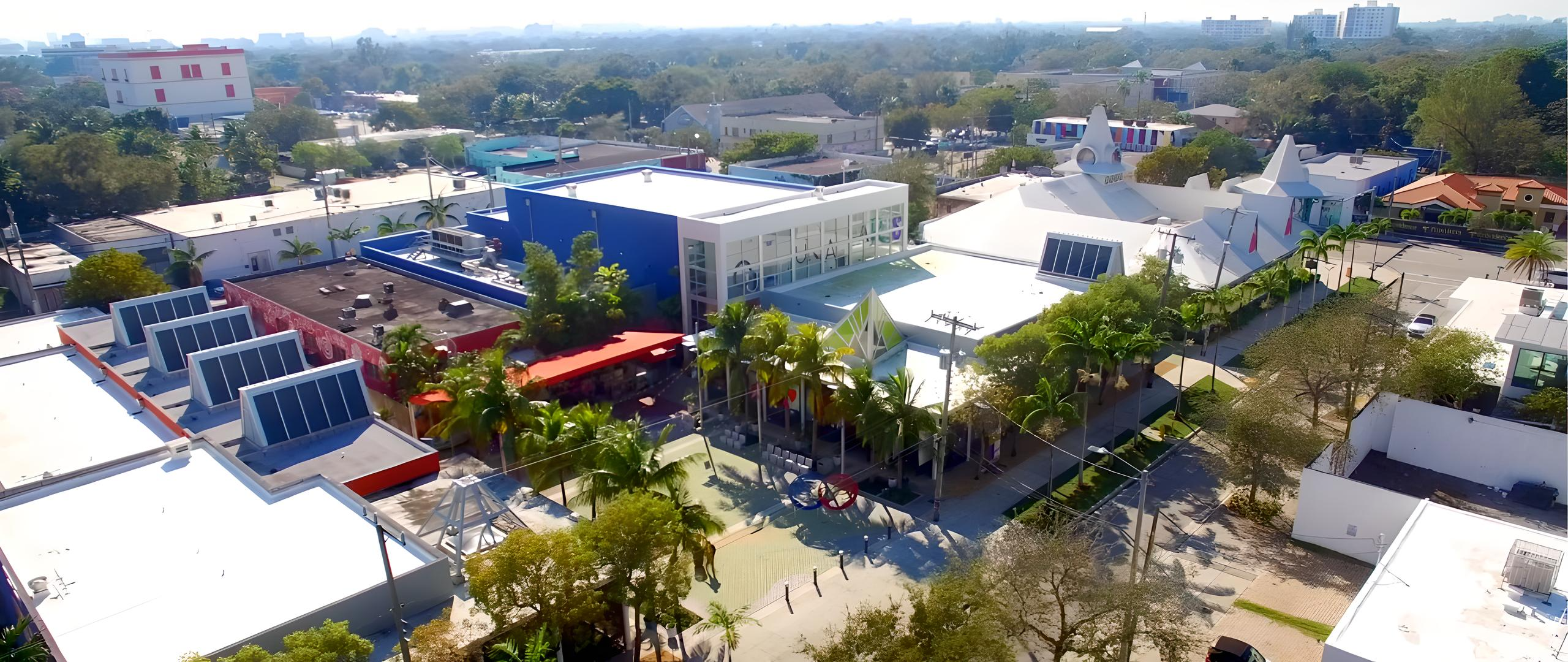
Little Haiti, Miami, Florida - EVERYTHING You Want to Know
Jump at this rare chance to explore the best of Little Haiti without leaving your seat! By...
.png)
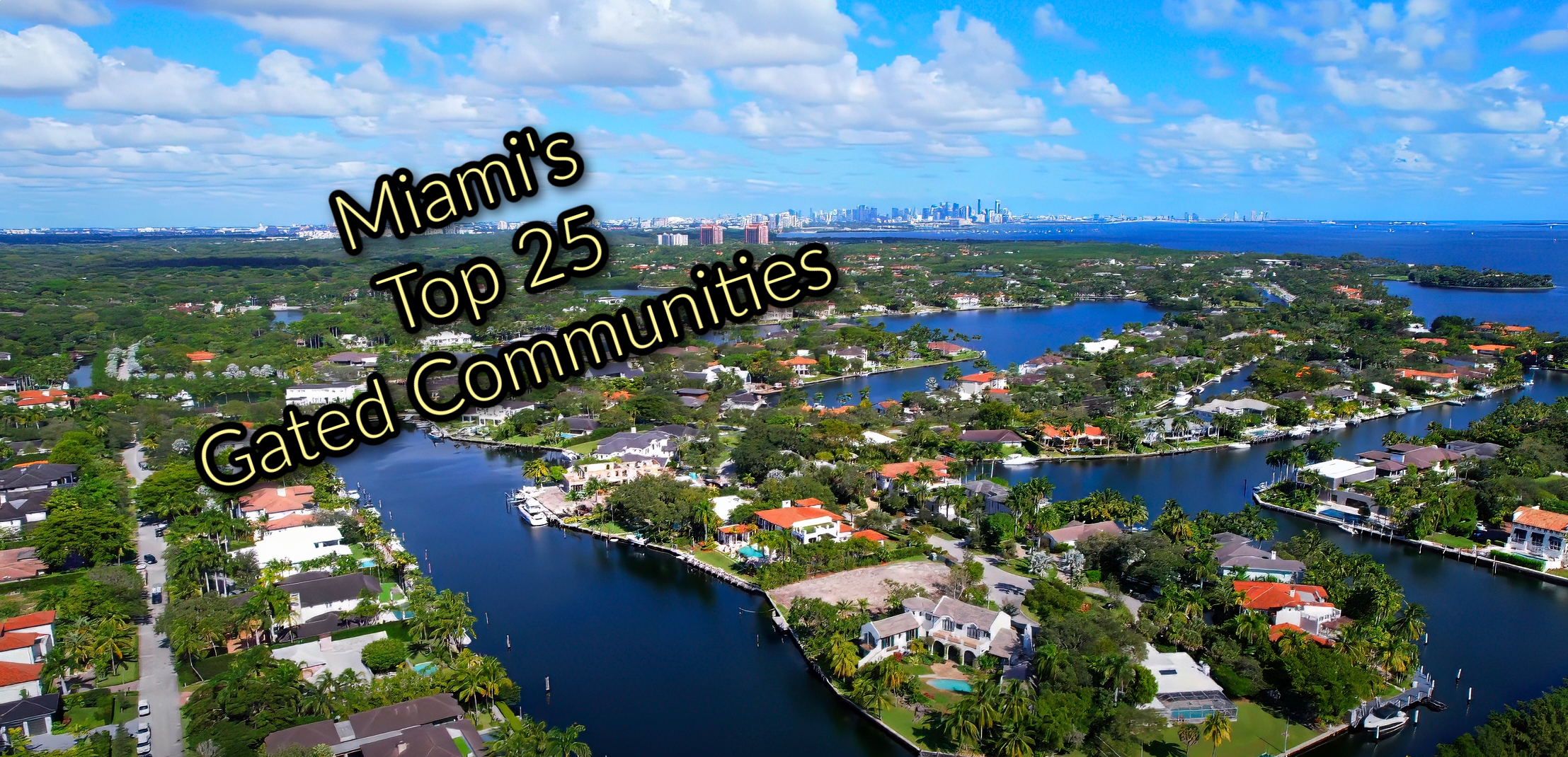
The Ultimate Guide to Miami-Dade's Top 25 Gated Communities for Single-Family Homes
Discover Miami's top gated communities in this essential guide for luxury home buyers...
Miami's BEST Restaurants in EVERY Neighborhood
Check out the absolute BEST restaurants in every neighborhood of Miami, including the best...
Selling Your Home?
Who are we?
We are the ALL IN Miami Group out of Miami.
We are Colombian, Filipino, Cuban, German, Japanese, French, Indian, Syrian, and American.
We are Christian, Hindu, and Jewish.
We are many, but we are one.
We sell luxury homes in Miami, Florida.
Although some of our clients are celebrities, athletes, and people you read about online, we also help young adults find their first place to rent when they are ready to live on their own.
First-time buyers?
All the time!
No matter what your situation or price range is, we feel truly blessed and honored to play such a big part in your life.