



Who Lives on The Roads? (It's Not Who You Think!)

Amit Bhuta
I use non-traditional marketing to inspire the most motivated buyers to pay the max for Miami luxury homes...
I use non-traditional marketing to inspire the most motivated buyers to pay the max for Miami luxury homes...
If you're fluent in Miami math, you know that being this close to Brickell as The Roads means loud, dense, expensive, and possibly one wrong turn away from a valet stand.
So, the people are left confused when the math isn't "math-ing."
The Roads sits near some of the city’s busiest, flashiest, most recognizable areas, and they assume it shares the same pace, pressure, and appetite for high-rise living.
But The Roads breaks that equation by offering proximity without the performance, history without museum stiffness, and residential streets where living with intention in central Miami is possible — encouraged, even.
And the buyers who give it a second look? They understand that the rarest Miami luxury is not always waterfront or height.
Sometimes, it is a house, a tree-lined street, and the ability to leave the noise without leaving the city perks behind.
Here are the six types of buyers you’ll meet on The Roads.
 (22).png?w=1140)
1) The Brickell Breakup Survivor
The Brickell Breakup Survivor has not rejected city life, but has absolutely rejected the part where getting home requires an elevator, a fob, a valet receipt, and the emotional stamina of someone entering a nightclub at 6:12 p.m.
This buyer is usually in their late 30s to early 50s, often a professional, couple, or small household that still wants Brickell, Downtown, restaurants, offices, gyms, and social plans close enough to use without planning an expedition.
They still like the convenience of central Miami, but they no longer want their daily life to include lobby small talk, shared walls, balcony noise, or the mysterious neighbor who treats the hallway like a phone booth.
In The Roads, they usually look for updated single-family homes, renovated older houses with modern interiors, or newer residences with a driveway, a real front door, and enough private space to make coming home feel like a reward, not a building procedure.
Their dream home does not have to be enormous, but it needs to feel grounded, comfortable, and separate from the constant city buzz.
The Roads works for them because it lets them keep Brickell nearby without turning their own address into Brickell’s overflow lounge.
They are not moving because they suddenly became suburban at heart.
They are moving to The Roads because they finally realized that being close to the action is different from sleeping inside the action while someone’s delivery order waits downstairs for the third time that day.
 (23).png?w=1140)
2) The Backpack Logistics Director
By 7:15 in the morning, the Backpack Logistics Director has already managed breakfast, uniforms, school bags, missing shoes, a water bottle crisis, and one child who suddenly remembers they need poster board.
This buyer is usually in their mid-30s to late 40s, often a household with children, children on the way, or older kids whose schedules already require the coordination skills of an airport operations manager.
They are drawn to The Roads because they want a real residential neighborhood without being pushed too far from work centers, schools, errands, parks, and the everyday places that keep family life from becoming a full-contact sport.
They are usually looking for three- to five-bedroom single-family homes with a yard, flexible rooms, a home office, good storage, and a layout that can survive backpacks, sports gear, visiting relatives, and the emotional politics of who gets the bigger bedroom.
This buyer does not need the neighborhood to be sleepy, but they do need it to be manageable.
They want sidewalks, shade, quieter residential streets, and a home base that makes the weekday routine feel possible instead of like a Miami-themed obstacle course.
What separates them from other Roads buyers is that every decision is filtered through family logistics.
They are not just asking if the house is beautiful.
They are asking if the morning drop-off route will destroy everyone’s mood before 8 a.m.
 (24).png?w=1140)
3) The Old House Whisperer
The Old House Whisperer can walk into a home with original arches, vintage tile, wood floors, and one slightly impractical hallway, and immediately forgive every maintenance issue because the house has “character.”
This buyer is usually in their late 30s to early 60s, often a design-aware professional, creative, renovator, preservation-minded homeowner, or couple that would rather personalize a home than inherit someone else’s glossy showroom fantasy.
They are drawn to The Roads because the neighborhood has older Miami homes, Spanish Revival influences, Mediterranean details, cottages, and houses that still have architectural personality.
They usually look for 1920s to 1940s homes, Old Spanish-style residences, character-heavy properties, or older homes that have been renovated without every charming detail scrubbed into beige silence.
This buyer knows an old house may come with quirks, and they are prepared to call those quirks “soul” until the contractor's invoice arrives.
They like The Roads because it gives them access to central Miami with homes that still feel personal, layered, and lived-in.
They are not after the easiest property to maintain or the largest modern box on the block.
They want the home that makes dinner guests say, “This place has so much charm,” while the buyer remembers the three-month search for the correct light fixture.
 (25).png?w=1140)
4) The Soft-Gated Sophisticate
The Soft-Gated Sophisticate wants privacy, but they do not want to disappear into the wilderness because they still have dinner reservations, board meetings, Pilates, and opinions about lighting.
This buyer is usually in their 40s to 60s, often an executive, business owner, high-income household, established couple, or luxury buyer who wants a pristine central Miami home without the tower lifestyle or the full performance of a gated estate community.
They are drawn to newer construction, major rebuilds, contemporary homes, expanded residences, and properties with pools, privacy landscaping, sleek kitchens, high ceilings, security features, and indoor-outdoor living that looks effortless but definitely involved several design meetings.
In The Roads, they can have a quieter residential setting while staying close to Brickell, Downtown, Coral Gables, Coconut Grove, and major Miami corridors.
This buyer is not looking for a fixer-upper love story.
They want the house that already understands the assignment.
They want clean lines, controlled access, entertaining space, and enough separation from neighbors to take a phone call outside without becoming part of the local oral history.
The Roads appeals to them because it offers centrality without constant exposure.
They can use the city all day, then come home to a property that politely closes the curtain on everyone else’s noise.
 (26).png?w=1140)
5) The Maintenance-Averse Main Character
The Maintenance-Averse Main Character wants the central Miami lifestyle, but not weekends held hostage by hedges, pool chemistry, roof surprises, or a sprinkler system with unresolved childhood issues.
This buyer can range from their 30s to their 60s, including busy professionals, downsizers, part-time Miami residents, frequent travelers, empty nesters, and buyers who want a strong location without inheriting a second unpaid job called “the yard.”
They are drawn to condos, smaller residences, low-maintenance homes, or properties that give them access to The Roads without requiring them to own five kinds of outdoor equipment.
They still appreciate the neighborhood’s residential feel, but they want the version that lets them lock the door, leave town, return easily, and not discover that one plant has started a rebellion while they were gone.
This buyer is different from the Brickell Breakup Survivor because they are not necessarily running from high-rise life.
They may enjoy convenience, simplicity, and a smaller footprint, but they prefer The Roads because it feels more grounded and less chaotic than living directly in the busiest urban core.
They want a home that supports their schedule instead of bossing it around.
For them, The Roads offers location, access, and a more grown-up pace without making homeownership feel like a group project with termites, landscapers, and a calendar reminder called “pressure wash.”
 (27).png?w=1140)
6) The Three-Calendar Commuter
The Three-Calendar Commuter chooses a neighborhood the way other people choose luggage, because it needs to survive movement, pressure, timing, and several destinations that all claim to be urgent.
This buyer is usually in their mid-30s to mid-60s, often a physician, attorney, consultant, healthcare executive, business owner, university-connected professional, or household where two careers pull everyone across different parts of Miami.
Their week may include Brickell, Downtown, medical offices, courtrooms, hospitals, Coral Gables, Coconut Grove, schools, client meetings, airport runs, and errands that multiply the moment they open their calendar.
They are not choosing The Roads only because it is attractive.
They are choosing it because the location behaves like a strategic headquarters with better trees.
Depending on lifestyle and budget, they may consider an updated single-family home, a practical renovated residence, a modern rebuild, or even a condo if maintenance needs to stay low and mobility matters more than square footage.
This buyer does not want to live too far west, too deep south, too locked into Brickell, or too dependent on one commute pattern.
They need flexibility, and The Roads gives them a central base that can serve multiple parts of their life without making every weekday feel like a punishment invented by traffic engineers.
They are the buyer who understands that in Miami, shaving stress off three different routes can be more luxurious than one dramatic chandelier.
SO… WHO IS THE ROADS REALLY FOR?
Those who are designing a central Miami life that does not come with a daily audience
The Roads is for buyers who want their location to work hard without making their home life feel like public programming.
They want to be close to Brickell, Downtown, Coral Way, Coconut Grove routes, Coral Gables errands, schools, hospitals, restaurants, and work centers, but do not want each day to carry the noise, density, and performance of the places they visit.
It does not ask buyers to reject central Miami, and lets them edit it into something more livable.
These are the buyers who understand that convenience is only useful when it does not follow you into the living room, interrupt dinner, and ask why there are no more parking spaces.
They want a home base that feels calm enough for normal life, but connected enough that they do not have to plan every outing like a small regional tour.
They may still love the restaurants, offices, coffee shops, medical access, school routes, and cultural options around them, but want their actual street to feel more like a neighborhood than a backstage hallway for Miami’s busiest districts.
It gives buyers the chance to have a real home in a central location, which sounds simple until you remember that Miami often treats those two things like divorced parents who refuse to attend the same birthday party.
The homes matter because The Roads gives different buyers different ways to land.
Some buyers want older architecture with arches, texture, and the warm chaos of a house that has lived several lives before them.
Some want a modern rebuild that gives them privacy, clean finishes, a pool, and the beautiful illusion that no one in the household owns clutter.
Some want a smaller or lower-maintenance setup because they have no interest in spending their weekends investigating why one hedge is suddenly being dramatic.
The neighborhood works for all of them because the main appeal is not one exact home style, but the ability to choose a home that fits real life while staying close to the parts of Miami that make that life easier.
The Roads is also for buyers who have enough self-awareness to know the kind of centrality they can tolerate.
They do not need their neighborhood to entertain them on command.
They do not need a restaurant downstairs to prove they made a sophisticated choice.
They do not need to see skyline drama from every window to feel successful.
They want the subtle flex of living near the machine without sleeping inside the machine.
For them, The Roads is not a compromise between Brickell and suburbia.
It is a carefully chosen middle lane for people who want access, privacy, character, and practical movement across Miami without making their home address do too much acting.
WHO MIGHT NOT LOVE IT?
Buyers who are looking for either a spectacle or a full escape
The Roads can be underwhelming to buyers who expect expensive Miami neighborhoods to introduce themselves with fireworks, velvet ropes, waterfront drama, or a commercial strip that immediately explains the lifestyle in twelve restaurants and three boutique fitness studios.
It is not trying to impress someone from the passenger seat in the first ninety seconds.
It takes more observation to understand because its value is built into residential streets, central access, housing variety, shade, privacy, and the fact that it lets people live near high-demand places without turning daily life into a spectacle.
That means buyers who need obvious glamour may not click with this lifestyle right away.
They may want a neighborhood that tells them exactly what to feel before they even park.
The Roads is more subtle, which can be a problem for people who prefer their real estate with dramatic lighting and a little emotional confetti.
It can also disappoint buyers who want the opposite extreme.
The Roads is not a deep suburban retreat where the city fades into the background and every errand comes with abundant parking, giant lots, and silence so complete that even the recycling bins seem respectful.
It is still central Miami.
The trade-off is that buyers get access and convenience, but they also remain connected to nearby traffic patterns, older housing realities, limited inventory, and pricing that reflects scarcity rather than politeness.
A buyer who wants total separation from the city may find The Roads too close to the pulse.
A buyer who wants full urban stimulation may find it too residential.
That middle position is not everyone’s dream.
The Roads may also frustrate buyers who want every property to look and behave the same.
This is not a uniform master-planned environment where the houses seem to have attended the same etiquette class.
A street can include older homes, updated residences, modern rebuilds, condos nearby, and properties with very different levels of organization.
For buyers who love character, that mix creates texture.
For buyers who want visual consistency, it can feel like the neighborhood changed fonts halfway through the paragraph.
Budget expectations can create another mismatch.
Some buyers assume that because The Roads is more reserved than Brickell and less ceremoniously famous than Coral Gables, it should become a secret discount code for central Miami.
The Roads is not cheaper because it is more peaceful.
It is expensive because centrality is one of the hardest things to find in central Miami.
The people who do not love it are usually the people who want one clean category.
They want loud city or deep suburb.
They want instant prestige or obvious entertainment.
They want new everything or historic everything.
The Roads asks buyers to appreciate a more specific mix, and that mix rewards people who can recognize usefulness before it puts on a show.
THE PART THAT MATTERS
Why The Roads works for the people who choose it
The Roads offers buyers a version of central Miami that feels engineered.
Its location is not convenient in the generic way every listing claims to be convenient, right before mentioning that a grocery store is about 17 minutes away.
The Roads is positioned for people whose lives move across several important parts of Miami, which makes it feel less like a neighborhood chosen for one reason and more like a home base chosen because the math keeps working.
It does not need to be the boldest neighborhood in the conversation because its strongest value shows up during an ordinary week.
It shows up when someone can reach a Brickell meeting without living in a tower.
It shows up when a household can manage school, work, errands, and dinner without relocating their entire personality to the suburbs.
It shows up when a buyer can choose an older home with real character, a modern residence with privacy, or a lower-maintenance place that keeps life flexible.
It shows up when central Miami access feels useful instead of exhausting.
The Roads understands the difference between being connected and being consumed.
That difference matters in Miami, where many desirable areas ask buyers to accept some version of chaos as the price of admission.
The Roads offers a more mature equation.
It gives buyers access to the city’s useful centers while preserving enough residential texture to make the home feel separate from the day’s demands.
It is the reason people pay attention once they stop looking for flash.
There is also confidence in The Roads that suits the people who choose it.
It is not trying to borrow Brickell’s energy, Coral Gables’ polish, or Coconut Grove’s romance.
It has its own value because it sits between major Miami identities without needing to become any of them.
That makes it especially appealing to buyers who are done choosing neighborhoods for other people’s reactions.
They are choosing for their commute, their household, their privacy, their routines, their architecture preferences, and their long-term comfort.
In the end, The Roads works because it gives people room to live near the center without becoming part of the noise.
It lets them keep Miami close, but not intrusive.
It gives them access, but not constant exposure.
It gives them a real neighborhood, but not a retreat so far removed that every plan becomes a traffic negotiation with consequences.
That is why the buyers who choose The Roads understand the neighborhood before everyone else does.
They know that they're buying the version that finally makes their week easier.
%20(65).png)
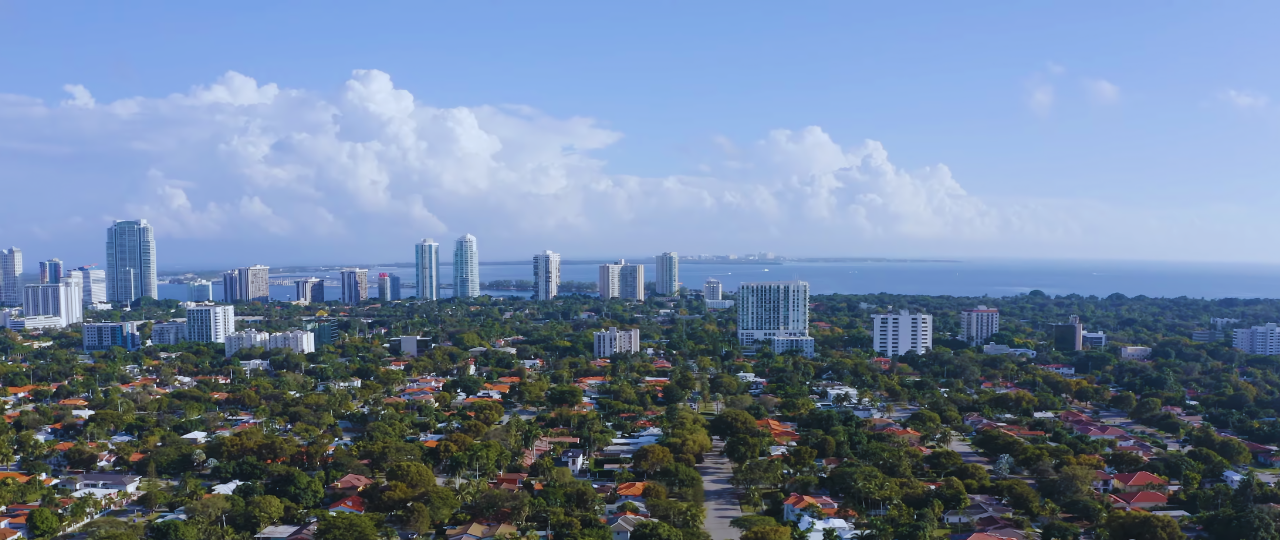
The Roads, Miami, Florida - EVERYTHING You Want to Know
Enjoy this virtual journey across the BEST of The Roads, from everything you WANT and NEED...
.png)
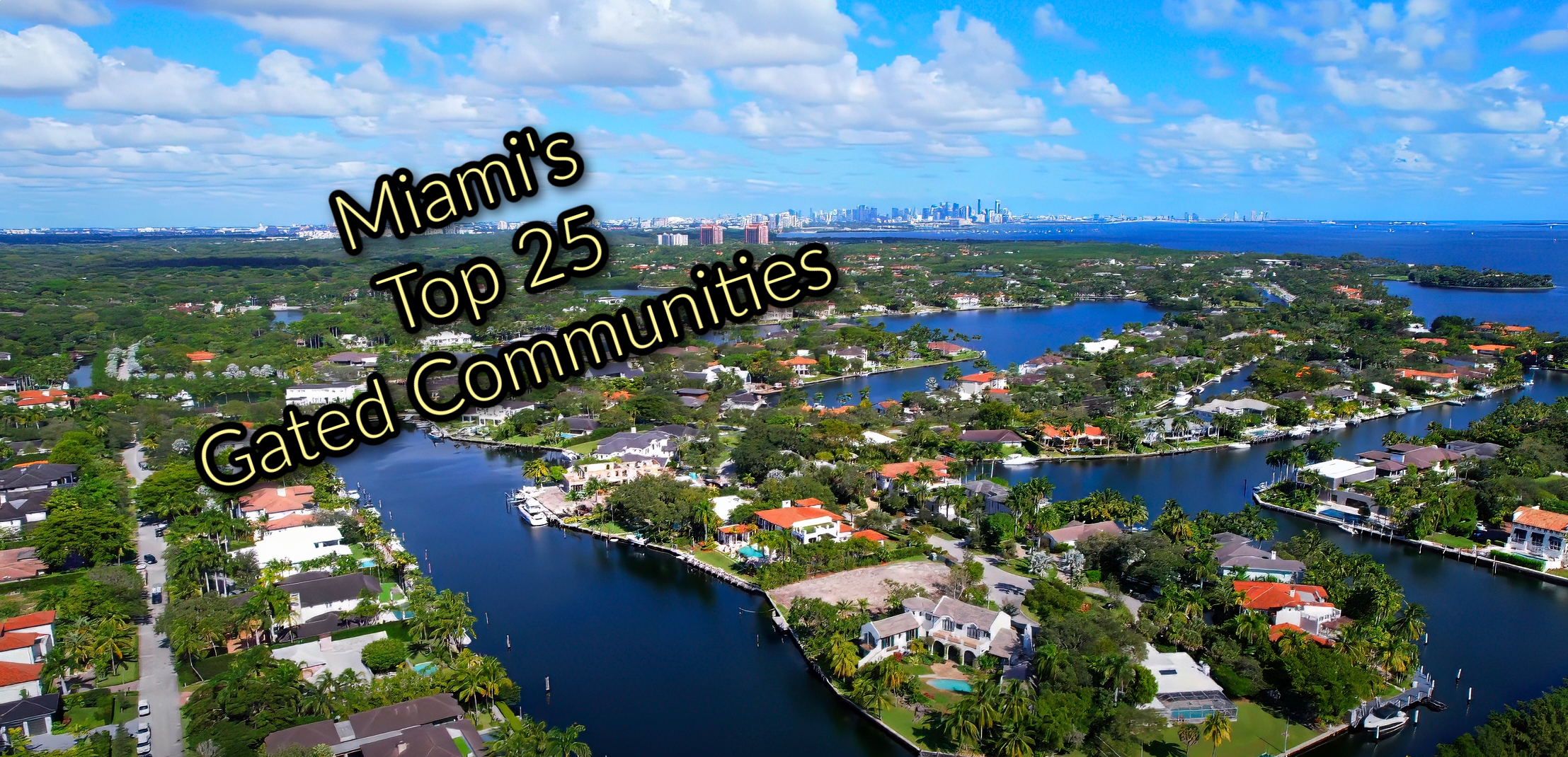
The Ultimate Guide to Miami-Dade's Top 25 Gated Communities for Single-Family Homes
Discover Miami's top gated communities in this essential guide for luxury home buyers...

Miami's BEST Restaurants in EVERY Neighborhood
Check out the absolute BEST restaurants in every neighborhood of Miami, including the best...
Selling Your Home?
Who are we?
We are the ALL IN Miami Group out of Miami.
We are Colombian, Filipino, Cuban, German, Japanese, French, Indian, Syrian, and American.
We are Christian, Hindu, and Jewish.
We are many, but we are one.
We sell luxury homes in Miami, Florida.
Although some of our clients are celebrities, athletes, and people you read about online, we also help young adults find their first place to rent when they are ready to live on their own.
First-time buyers?
All the time!
No matter what your situation or price range is, we feel truly blessed and honored to play such a big part in your life.