



Who Lives in Pinewood? (It's Not Who You Think!)

Amit Bhuta
I use non-traditional marketing to inspire the most motivated buyers to pay the max for Miami luxury homes...
I use non-traditional marketing to inspire the most motivated buyers to pay the max for Miami luxury homes...
Older dreams, limited ambition, and boring, inherited routines — these all get lumped in with Pinewood.
It was probably never meant as an insult.
It is just that ZIP codes in the south are almost always associated with older homes, families who have known each other for years, neighbors who remember previous owners, and routines that stayed the same long enough to become tradition.
Then, somewhere in the conversation, that familiarity turned into smaller goals, less movement, and a neighborhood that supposedly stopped evolving alongside adults presumed to have stopped wanting more.
The thing is, you would probably be surprised by the facts and demographics.
Despite what people assume about Pinewood, residents know that living in this community has never been just about staying comfortable, remaining close to family, or settling for what's available.
They come from different backgrounds and want very different things, but most of them share the same goal of building lives that are supported, familiar, and sustainable long after trends lose their appeal.
Scroll down and see for yourself.
Here are the four types of buyers you’ll meet in Pinewood.
 (21).png?w=1140)
1) The “Who’s Close Enough to Help?” Network
Pinewood makes the most sense to buyers who understand that support can be just as valuable as square footage.
These buyers are often in their late 20s through late 50s, and they can be single parents, couples, older adults, working professionals, or residents who want backup close enough and available every day.
Apart from asking whether a home has enough bedrooms, they are also asking whether someone trusted lives nearby when work runs late, a tire goes flat, a parent needs help, or life suddenly becomes too dramatic to handle before 9 AM.
This buyer group often prefers modest single-family homes, duplex-style setups when available, homes near relatives, properties with flexible bedrooms, and layouts that can support visiting family or occasional shared caregiving.
In Pinewood, the appeal is not always curb appeal or luxury finishes.
Sometimes, its real selling point is being close enough to the people who already know your situation without needing the full backstory.
To them, convenience looks different when life involves caregiving, rotating work schedules, childcare help, older relatives, or simply wanting familiar people nearby.
These buyers may not describe their search as emotional, but it usually is.
They are choosing a neighborhood where help does not always require an appointment, a long drive, or a polite explanation over text.
Half of them may even claim they want independence while buying close enough for someone to drop off food, pick up medicine, or say, “I was already nearby,” which is often family-speak for “I am now involved.”
For this group, Pinewood works because support is not treated as a luxury feature.
It is part of managing daily life.
 (22).png?w=1140)
2) The Useful House Over Fancy Address Crew
Some buyers reach a point where the most attractive home is not the flashiest but the one that works.
These Pinewood buyers are in their 30s through early 60s, and they may be individual buyers, couples, small households, or practical homeowners who care more about monthly payments, usable space, parking, and maintenance than their dinner table aesthetic.
They are often value-conscious, but that does not mean they lack standards.
It only means their standards are rooted in function.
They want a home where the roof, layout, driveway, yard, and long-term costs align with their financial status, as charm loses power quickly when insurance, repairs, and groceries are all part of a group project called adulthood.
This group may look for older single-family homes, smaller homes with renovation potential, properties with yards, homes with enough parking, or layouts that can be improved gradually instead of requiring a total lifestyle makeover on day one.
They are often comfortable with homes that need cosmetic updates if the bones, location, and price make sense.
A dated kitchen may not scare them if the monthly payment does not require emotional support.
A less trendy address may not bother them if the home gives them ownership, privacy, and room to breathe.
These buyers are not choosing Pinewood because they have given up on setting themselves up for a good life.
They are choosing Pinewood because they define a good life through usefulness, control, and stability rather than presentation.
They know a home does not need to photograph like a magazine spread to make everyday life easier.
Sometimes the smartest purchase is simply the one that lets you live better without needing applause.
 (23).png?w=1140)
3) The Life Took the Scenic Route Gang
Not everyone reaches stability on the timeline they set for themselves.
Some people arrive later because careers took longer, family responsibilities came first, savings moved slowly, relationships changed, or life kept adding plot twists nobody requested.
These buyers are usually in their late 30s through early 60s, and they may be single buyers, couples starting over, divorced buyers rebuilding, immigrants working toward ownership, or residents who spent years renting before the numbers finally started cooperating.
The important thing about this group is that they often buy with perspective.
They are not casual about the decision because the road to this milestone was not casual either.
Pinewood can appeal to them because it offers a more realistic path toward ownership or long-term stability than neighborhoods where the entry price doesn't feel like you could really "enter."
These buyers often prefer manageable single-family homes, townhome-style options if available nearby, smaller properties with lower upkeep, renovated older homes, or homes that allow them to stabilize first and improve slowly over time.
They may avoid houses with overwhelming renovation needs unless the price leaves room for repairs.
They are usually careful about monthly costs because they already know how quickly life can change without asking permission.
This group may be the least impressed by dramatic real estate language.
They do not need a listing to call a laundry closet “a lifestyle moment.”
They want the home to make sense, the bills to stay manageable, and the future to stop feeling like it is always one emergency away from changing again.
For them, Pinewood is not about settling into a smaller dream.
It is about finally getting a foundation under a life that had to take the longer route.
 (24).png?w=1140)
4) The “My Place Became Everyone’s Backup Plan” Buyers
Some people buy a home for themselves and eventually discover that everyone else has also assigned meaning to it.
One cousin needs somewhere to stay for two weeks.
A parent needs help after an appointment.
A sibling needs a place for the kids during a work shift.
Someone needs advice, food, Wi-Fi, parking, or a quiet corner where nobody asks too many questions.
These buyers are usually in their 40s through 70s, though younger versions absolutely exist, especially when someone becomes the responsible one in the group earlier than expected.
They can be single homeowners, couples, older adults, or households that naturally become the family’s central landing spot.
Their motivation is different from wanting relatives nearby.
They are thinking about responsibility, continuity, and the role a home can play in keeping people connected over time.
In Pinewood, this buyer may gravitate toward single-family homes with extra bedrooms, larger living areas, usable yards, covered patios, converted spaces, or layouts that can handle visitors without turning every stay into a furniture-shuffling event.
They may not need a mansion, but they need a home that can absorb life.
That means birthdays, emergencies, temporary stays, Sunday meals, aging relatives, adult children, and conversations that always happen in the kitchen, even when there is a perfectly good living room nearby.
These buyers often become attached to a property because it carries more than equity.
It carries routines, obligations, memories, and the subtle expectation that people can return there when life gets complicated.
The home may even be legally owned by one person while emotionally registered under the entire family’s name.
For this group, Pinewood works because the neighborhood supports the idea of a home as a practical anchor.
And for people who value connection, that role can matter more than almost any upgrade on a listing sheet.
SO… WHO IS PINEWOOD REALLY FOR?
Those who know that a good neighborhood is sometimes measured by who shows up when life gets complicated
Pinewood is for buyers who don't treat homeownership like a performance review.
They are not always looking for the shiniest address, the newest construction, or the neighborhood that makes people pause dramatically after hearing where they bought.
Many are looking for a place where daily life can run with fewer emergencies, fewer explanations, and more people close enough to help before things spiral.
That can mean a single buyer who wants a manageable home without pretending every purchase needs to be aspirational theater.
It can mean a couple trying to stop renting and start building something that belongs to them.
It can mean a working parent choosing proximity to trusted help over a prettier commute story.
It can also mean an older resident or multigenerational household that understands a home can become the place where people regroup, recover, and figure things out over food.
This life makes the most sense for people who value function, familiarity, and support systems without needing those things dressed up as luxury amenities.
They are buyers who understand that a house does not need to impress strangers to improve their lives.
It just needs to work when the car breaks down, the schedule collapses, someone needs a room for a few weeks, or the family group chat suddenly becomes a crisis command center.
That may not sound glamorous, but glamour has never picked anyone up from work, watched a child for two hours, or helped move a couch without judging the couch too much.
Pinewood works for people who know stability is not always loud.
That sometimes, it looks like owning something practical, staying near the people who matter, and building a life that can handle real human mess without falling apart.
WHO MIGHT NOT LOVE IT?
People who need their home search to feel like a status upgrade
Pinewood may not click with buyers who want their neighborhood to explain their success before they do.
Some people want curb appeal on every block, fast-moving redevelopment, trendy nearby businesses, and homes that instantly communicate upward mobility without requiring context.
While there is nothing wrong with wanting this path, Pinewood isn't built around that kind of presentation.
This is not the neighborhood for buyers who need every street to feel curated, every home to look recently redesigned, or every purchase to function like a public announcement.
Pinewood may also frustrate people who dislike older housing stock, practical layouts, gradual improvements, or neighborhoods where familiarity plays a bigger role than reinvention.
Some buyers see an older home and immediately imagine a possibility.
Others see the same home and mentally invoice themselves for every repair before they even reach the driveway.
Those second buyers may have a harder time in this community.
The neighborhood can also feel too familiar to people who prefer anonymity, constant change, or a lifestyle where home remains completely separate from relatives, neighbors, and community routines.
In Pinewood, the appeal often comes from connection, and connection has a funny way of becoming inconvenient exactly when you are trying to pretend you do not need anyone.
Buyers who want distance from family networks, older community rhythms, or practical tradeoffs may not understand why others choose it so intentionally.
They may see the neighborhood as too ordinary.
They may miss the point entirely.
You see, Pinewood’s value isn't immediately obvious from a quick drive-through or a listing photo.
It becomes clearer to people who know what it means to need a home that supports real life, rather than simply decorating it.
THE PART THAT MATTERS
Why Pinewood works for the people who choose it
Pinewood does not ask buyers to turn every decision into a statement.
For many residents, that is the relief.
They can choose a home for reasons that sound normal yet still matter enormously.
They can choose it because someone they trust lives nearby.
They can choose it because ownership is finally possible.
They can choose it because the house has enough flexibility for visitors, relatives, work schedules, repairs, and the occasional family situation that starts with “Do not panic, but…”
They can choose it because a practical home in a familiar place can offer more emotional security than a flashier address that leaves everyone scattered.
That is what gets missed when Pinewood is reduced to older homes, inherited routines, or assumptions about limited ambition.
The neighborhood is not only about what has stayed the same.
It is also about what those constants make possible.
Support becomes easier to maintain.
Ownership becomes easier to imagine.
Family responsibility becomes easier to carry.
Progress becomes less about appearing transformed and more about building something steady enough to survive ordinary pressure.
Some people need proximity.
Some need functionality.
Some need a delayed fresh start.
Some need a place that can hold more than one person’s life at a time.
Pinewood makes sense to those buyers because it gives people room to build lives that are useful, connected, imperfect, and still very much moving forward.
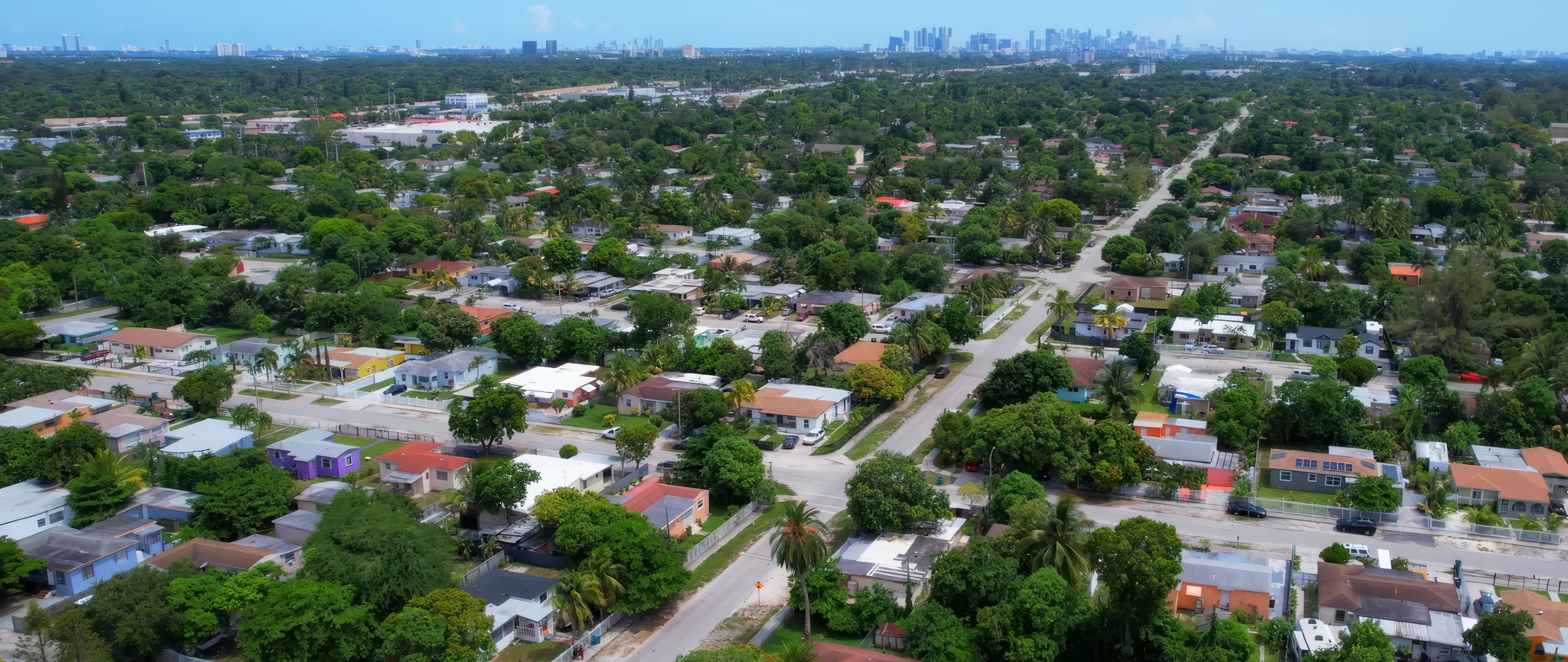-topaz-upscale-4x-3.jpeg)
Pinewood, Miami, Florida - EVERYTHING You Want to Know
Join us for a laid-back ride through everything that makes Pinewood unforgettable. This is...
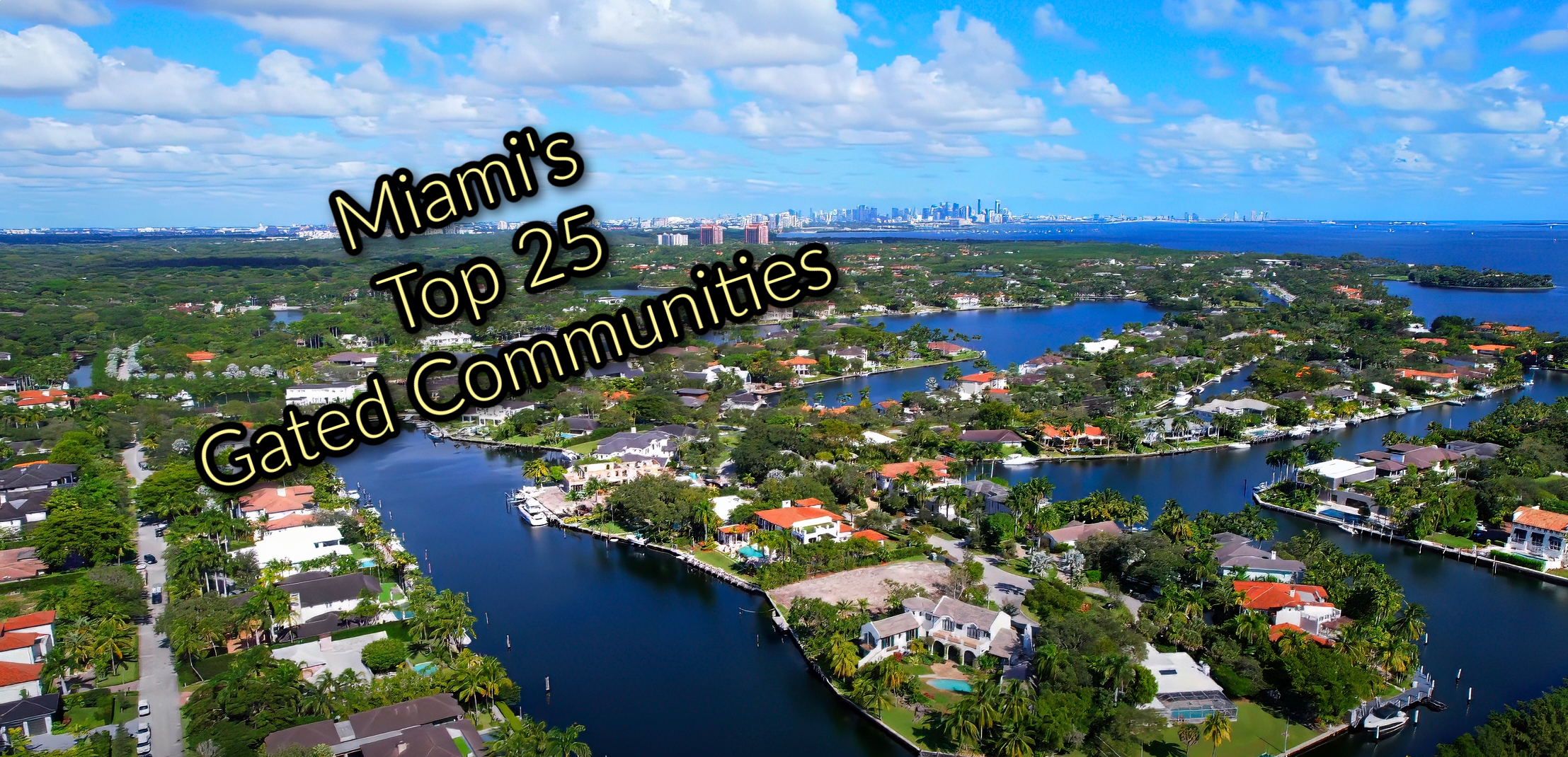.png)
The Ultimate Guide to Miami-Dade's Top 25 Gated Communities for Single-Family Homes
Discover Miami's top gated communities in this essential guide for luxury home buyers...


Miami's BEST Restaurants in EVERY Neighborhood
Check out the absolute BEST restaurants in every neighborhood of Miami, including the best...
Selling Your Home?
Who are we?
We are the ALL IN Miami Group out of Miami.
We are Colombian, Filipino, Cuban, German, Japanese, French, Indian, Syrian, and American.
We are Christian, Hindu, and Jewish.
We are many, but we are one.
We sell luxury homes in Miami, Florida.
Although some of our clients are celebrities, athletes, and people you read about online, we also help young adults find their first place to rent when they are ready to live on their own.
First-time buyers?
All the time!
No matter what your situation or price range is, we feel truly blessed and honored to play such a big part in your life.