



Who Lives in Palm Island and Hibiscus Island? (It's Not Who You Think!)

Amit Bhuta
I use non-traditional marketing to inspire the most motivated buyers to pay the max for Miami luxury homes...
I use non-traditional marketing to inspire the most motivated buyers to pay the max for Miami luxury homes...
Warning: Spending too much time looking at homes on Palm and Hibiscus Islands may temporarily convince you that everybody in Miami owns a waterfront mansion and arrives home by boat.
Yes, these islands have become larger than their residents.
When people look at those two masterpieces floating on Biscayne Bay, they automatically picture billionaires, celebrities, and homes existing mainly for drone footage.
They assume Palm and Hibiscus Islands function more like luxury collections, which makes ordinary life behind those extraordinary gates seem almost impossible.
How could anyone live normally around this much wealth?
Surely nobody on these islands worries about school pickup schedules.
Nobody debates dinner plans, walks a dog after a long workday, or texts relatives asking who is hosting the holidays this year.
Here, there is probably very little room for routines, and even less room for buyers who value privacy, permanence, or family life.
But what do you know? It could not be further from the truth.
Once people have enough money to choose almost anywhere, many stop asking what looks impressive and start asking what feels sustainable behind closed doors.
Mind you, not all of them fit the billionaire-on-a-yacht stereotype people expect.
The Palm and Hibiscus Islands create a far more layered mix of residents than they're usually given credit for.
Here are the five types of buyers you’ll meet in Palm Island and Hibiscus Island.
 (8).png?w=1140)
1) The “My Assistant Said Don’t Post That” People
There is a version of success people rarely mention because it sounds less exciting than the climb upward.
It's that eventually, some people stop wanting more visibility because years of meetings, introductions, recognition, and accessibility make privacy feel unusually valuable.
These buyers are commonly in their late 30s through late 60s, and many are founders, executives, athletes, entertainers, or individuals whose careers required too much exposure that their homes became the only place they wanted less of it.
Palm and Hibiscus Islands are a magnet to this group because privacy feels woven into the environment rather than advertised as a feature.
The guarded entrances, the surrounding water, and the limited access matter because each layer creates distance between public expectations and private routines.
This buyer type often prefers larger waterfront estates with advanced security systems, custom homes positioned farther from direct visibility, or properties with mature landscaping designed to separate without sacrificing views.
Their homes are impressive, but what often motivates their purchase is the ability to disappear slightly without disappearing completely.
Ironically, many of these buyers spent years building careers around being known.
So, now, they're at a stage where their ideal luxury is that nobody recognizes them while walking the dog.
 (9).png?w=1140)
2) The Golf Cart to Soccer Practice Gang
People assume affluent families raise children in realities untouched by ordinary inconvenience.
Then somebody forgets a backpack, a teenager suddenly needs a ride, and parents discover that expensive neighborhoods do not eliminate chaos as much as they relocate it behind prettier gates.
These buyers are usually in their late 30s through mid-50s, and many are actively raising children or making long-term decisions around family life.
They often value environments where routines can be predictable, security isn't performative, and their home remains insulated from unnecessary exposure.
Palm and Hibiscus Islands work well for this group because residents can remain close to schools, Downtown Miami, and daily obligations while living a lifestyle designed around controlled access.
This buyer type commonly gravitates toward larger estates with multiple bedrooms, substantial outdoor space, flexible layouts, private docks, pools, and enough room for children, guests, or relatives over time.
These buyers often think carefully about resale value, safety, school logistics, and whether an adult child might someday return home, because affluent parenting apparently still includes planning for situations nobody expected fifteen years earlier.
The stereotype says wealthy buyers prioritize status first.
They are parents who challenge that idea because years of raising children make practical concerns surprisingly powerful.
Enough time passes, and the dream stops sounding like exclusivity alone.
The dream starts sounding more like a secure neighborhood, manageable routines, and space to host friends without military-level coordination.
 (10).png?w=1140)
3) The “We Use the Dock More Than the Front Door” Crowd
Some people buy waterfront homes because the photos look impressive.
Others buy waterfront homes because they reorganized their lives around being near water years ago and never changed back.
These buyers are often in their 40s through retirement age, though they can be younger entrepreneurs and second-home owners, too.
Their connection to waterfront living tends to be more habitual than aspirational.
Morning boat rides, hosting near the dock, and spending time outside become routine.
For them, water is less entertainment and more of their preferred background.
Palm and Hibiscus Islands attract this group because the location allows buyers to maintain proximity to Miami while preserving a lifestyle centered on Biscayne Bay.
These residents frequently prefer waterfront estates with larger docks, direct bay access, outdoor entertaining areas, expansive terraces, and homes designed to maximize views instead of conceal them.
While outsiders often interpret boating as a luxury hobby, these residents discuss tides, dock maintenance, and weather conditions with the same seriousness that other homeowners reserve for lawn care or HOA complaints.
Eventually, a waterfront lifestyle becomes ordinary enough that they stop seeing the view and start noticing whether the dock lights need replacing.
 (11).png?w=1140)
4) The “I Worked Through Three Recessions for This View” Crew
Achievement has different stages.
At one stage, people celebrate promotions.
At another stage, they buy property in neighborhoods they once assumed belonged exclusively to magazine covers and international buyers.
These residents are often in their late 30s through early 60s, and many are entrepreneurs, executives, investors, and founders who accumulated wealth gradually rather than inheriting it.
The purchase sometimes carries emotional weight because the home represents years of decisions, setbacks, long hours, and risks that finally produced options.
Palm and Hibiscus Islands attract these buyers because success changes the question people ask themselves.
The question stops being, “Can I afford this?” and becomes, “What environment reflects the life I worked to create?”
This group favors newer custom estates, architectural statement homes, larger waterfront properties, or residences with dramatic entertaining spaces and modern finishes.
Recognition matters to this buyer type, but not always in the shallow way people assume.
Sometimes the home serves as evidence to themselves more than anyone else.
They're those who, after enough years of sacrificing weekends, sleep, and peace of mind, occasionally buy things that remind them the effort became tangible.
 (12).png?w=1140)
5) The Nobody Better Sell Grandma’s Island House Association
Without anyone noticing, some properties transform from assets to family landmarks, at least to the "Nobody Better Sell Grandma’s Island House" group.
These buyers are commonly in their 50s through 70s, though some of them are part of younger generations with long-term thinking as wealth planning becomes more intentional.
The defining characteristic is not age but permanence.
These residents often purchase with decades in mind and sometimes with future grandchildren in mind, too.
Palm and Hibiscus Islands attract this group because highly limited waterfront neighborhoods can evolve into both family compounds and long-term stores of wealth.
This buyer type frequently gravitates toward larger estates with multiple guest spaces, flexible layouts, substantial land value, and homes that can remain relevant across generations.
The emotional attachment eventually grows beyond resale potential.
Holiday traditions form. Children grow older. Familiar routines repeat often enough that the address becomes part of family identity.
The joke is that the property may legally belong to one person while emotionally belonging to several generations already arguing about who would not sell it later.
To them, luxury homes eventually become less about ownership and more about continuity.
SO… WHO IS PALM ISLAND OR HIBISCUS ISLAND REALLY FOR?
Those who discovered that having access to everything does not mean wanting access to everyone
Something interesting seems to happen after enough years of success.
The wishlist changes.
The buyer who once wanted proximity to everything slowly starts to appreciate distance, control, and environments that ask less from them once the day ends.
Palm and Hibiscus Islands appear to work unusually well for residents whose priorities have evolved, day by day.
The shift may happen after building a company.
It may happen after raising children.
It may happen after years of constant introductions, obligations, flights, and expectations, making privacy feel less like a preference and more like maintenance.
These neighborhoods often attract people who enjoy options while exercising restraint.
Choosing a guarded island minutes from Downtown Miami and Miami Beach requires a very specific mindset.
It helps to appreciate convenience without needing constant activity.
It helps to value luxury without wanting reminders of it every hour.
And it helps if your definition of success eventually becomes coming home somewhere that protects routines rather than interrupting them.
Here, the residents who seem happiest are not always chasing attention.
Many appear to have reached a stage where protecting peace became more satisfying than proving anything.
WHO MIGHT NOT LOVE IT?
Buyers who expect luxury to entertain them instead of protecting their peace
This may sound strange considering the property values, but the Palm and Hibiscus Islands could disappoint people who seek constant stimulation.
The disappointment would not come from the homes, but from realizing that extraordinary real estate does not automatically create extraordinary daily energy.
The neighborhoods themselves often feel more subtle than public perception suggests.
There are no rows of luxury storefronts outside the gate.
There is no guarantee that expensive surroundings translate into daily excitement.
Buyers who enjoy dense entertainment, highly visible communities, frequent movement, or environments where something always seems to be happening may eventually wonder whether the islands feel too insulated.
Certain forms of luxury become repetitive in ways people do not expect.
Water views repeat.
Privacy repeats.
Quiet routines repeat.
For some residents, repetition becomes comfort.
For others, repetition starts resembling boredom dressed in very expensive architecture.
These two conflicting opinions reflect different ideas of what a neighborhood should provide after the novelty wears off.
THE PART THAT MATTERS
Why Palm Island and Hibiscus Island work for the people who choose them
Maybe the least obvious thing about Palm and Hibiscus Islands is that many residents do not seem interested in maximizing visibility despite living in some of Miami Beach’s most recognizable neighborhoods.
That contradiction says more about the buyers than the real estate itself.
Eventually, enough people stop asking what looks impressive and begin asking what still feels good ten years later.
For some households, the answer becomes stronger privacy.
For others, it becomes enough space for family life to unfold without constant exposure.
And for longtime owners, it may become the ability to enjoy extraordinary surroundings so consistently that they stop feeling extraordinary at all.
Palm and Hibiscus Islands do not appear to attract a single type of affluent buyers.
They attract people whose priorities have matured.
The achievement already happened.
The recognition may have already happened, too.
What remains afterward often looks like protected routines, familiar neighbors, children growing up, long-term ownership, and homes people plan to keep much longer than stereotypes assume.
That may explain why these islands sometimes feel more like places residents intentionally preserve.
To them, luxury stops being about what a home says to other people and starts becoming about what life inside it feels like.
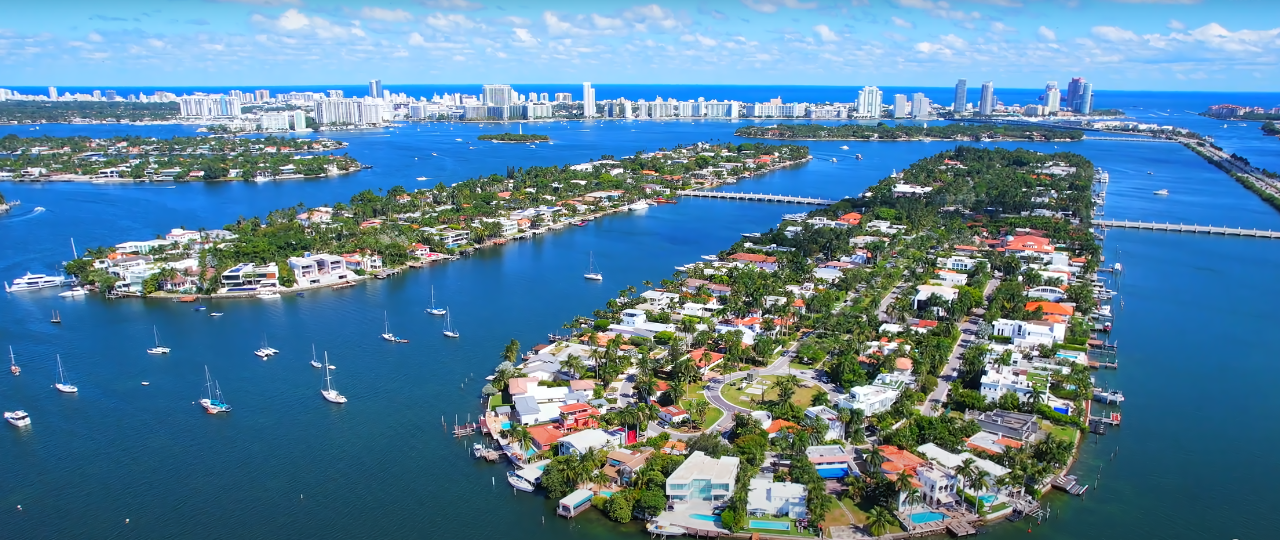%20(42).png)
Palm Island| Hibiscus Island, Miami, Florida - EVERYTHING You Want to Know
Join us for an exciting escapade across the nooks and crannies of the Palm and Hibiscus Is...
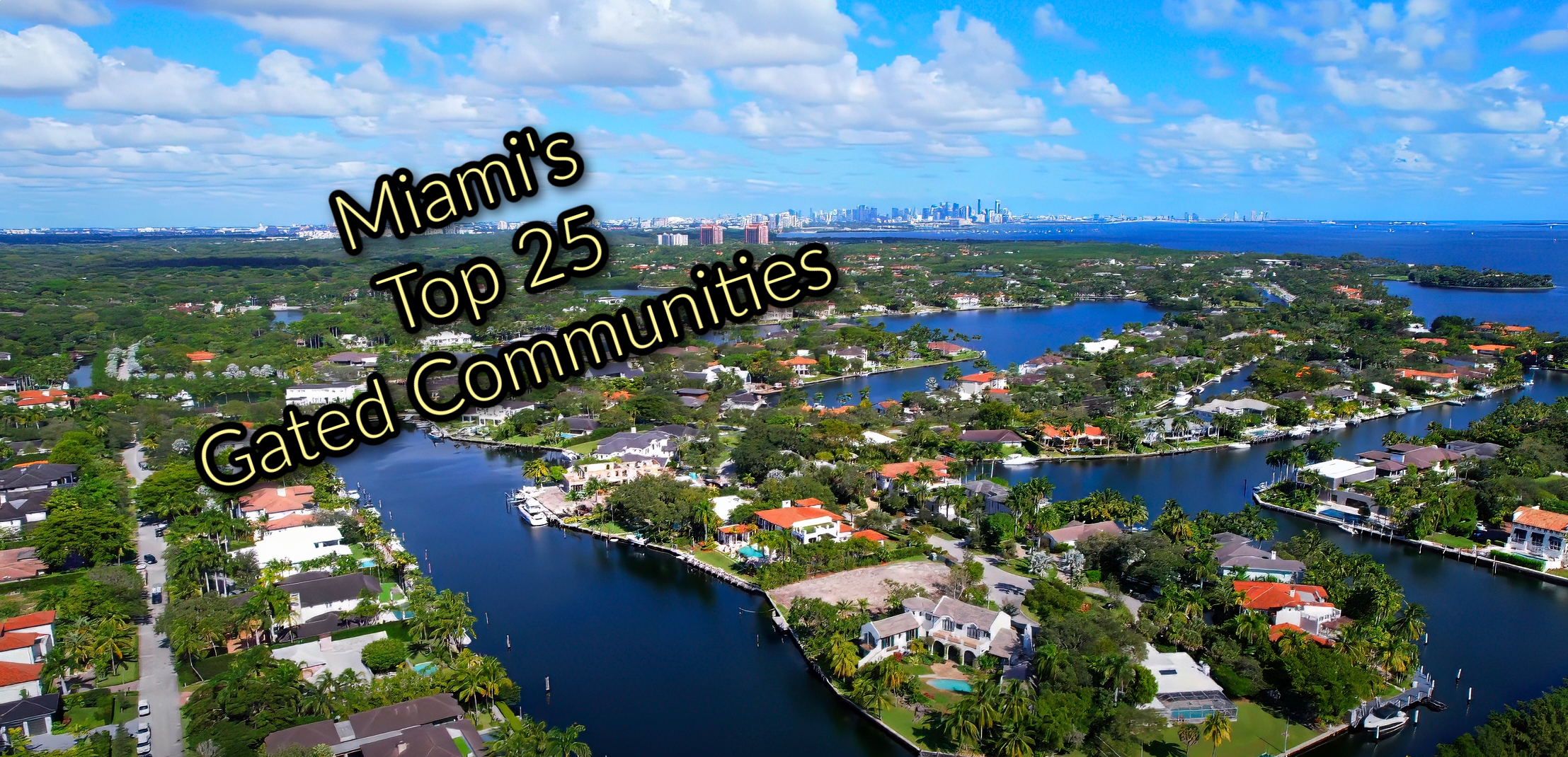.png)
The Ultimate Guide to Miami-Dade's Top 25 Gated Communities for Single-Family Homes
Discover Miami's top gated communities in this essential guide for luxury home buyers...
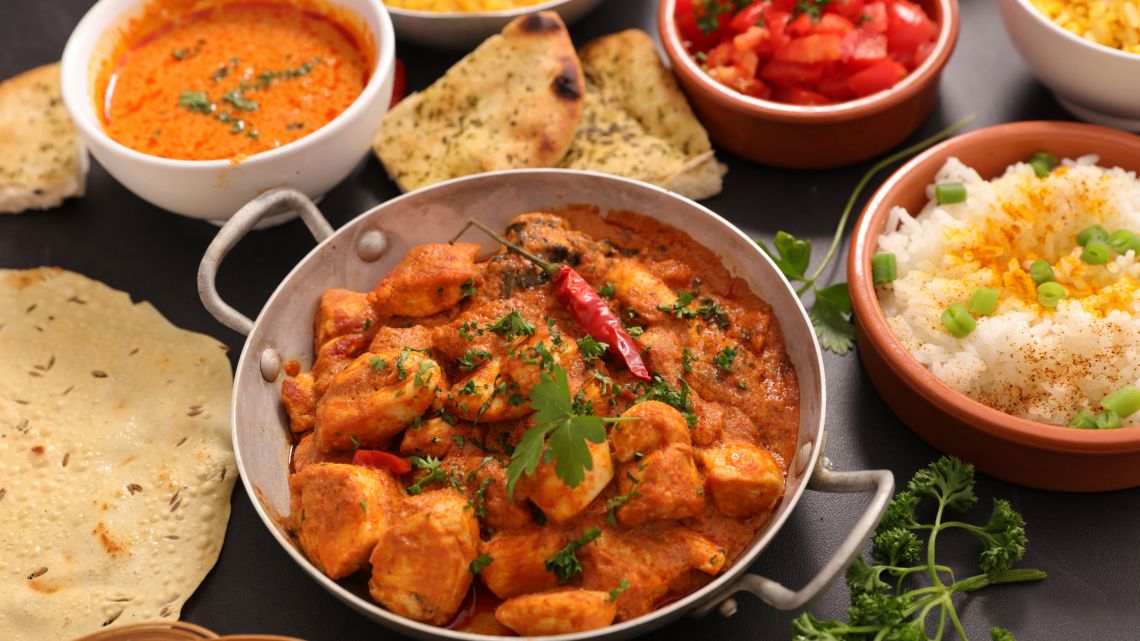
Miami's BEST Restaurants in EVERY Neighborhood
Check out the absolute BEST restaurants in every neighborhood of Miami, including the best...
Selling Your Home?
Who are we?
We are the ALL IN Miami Group out of Miami.
We are Colombian, Filipino, Cuban, German, Japanese, French, Indian, Syrian, and American.
We are Christian, Hindu, and Jewish.
We are many, but we are one.
We sell luxury homes in Miami, Florida.
Although some of our clients are celebrities, athletes, and people you read about online, we also help young adults find their first place to rent when they are ready to live on their own.
First-time buyers?
All the time!
No matter what your situation or price range is, we feel truly blessed and honored to play such a big part in your life.