



Who Lives in Country Walk? (It's Not Who You Think!)

Amit Bhuta
I use non-traditional marketing to inspire the most motivated buyers to pay the max for Miami luxury homes...
I use non-traditional marketing to inspire the most motivated buyers to pay the max for Miami luxury homes...
All people seem to know about Country Walk is that it’s far out, super suburban, quiet to a fault, and full of lookalike homes — and they judge it for exactly those reasons.
We're here to straighten things out.
Yes, it's farther out, unapologetically suburban, more peaceful than most parts of Miami, and filled with homes that follow a similar style and an HOA that keeps everything in check.
But guess what? People who choose Country Walk don't see anything wrong with that.
If anything, they’ve already thought through it and decided it works for them.
They know it’s a bit farther out, but they’re not trying to be in the middle of everything.
They’re fine with it being quieter because that’s exactly what they crave once the day winds down.
They don’t need every home to look completely different, and they don’t mind the structure that comes with it either.
What matters to them is how steady everything feels in Country Walk.
Because for these people, it’s less about having options everywhere and more about having a settled place to call their own.
The question is, are you one of them, too?
Here are the four types of buyers you’ll meet in Country Walk.
 (36).png?w=1140)
1) The “We Needed Space, Not Chaos” Families
At some point, the trade-off becomes obvious to the "We Needed Space, Not Chaos" families.
Usually between their early 30s and late 40s, they're done trying to make smaller spaces work in louder, busier areas.
Whether it’s kids, pets, or just the need to not feel on top of each other anymore, space stops being a “nice to have” and becomes the whole reason they’re moving.
Country Walk makes sense because it offers what they need in a structured way.
They’re typically drawn to single-family homes with multiple bedrooms, usable backyards, and layouts that allow everyone to have their own corner without feeling disconnected.
Many look for homes near parks or within quieter interior streets where the day-to-day feels predictable.
They are not chasing excitement.
They are building a routine that actually works—and once that clicks, the distance and quiet stop being concerns entirely.
 (35).png?w=1140)
2) The Routine Protectors
Some buyers don’t want change—they want control over how their day unfolds.
Often in their mid-30s to 50s, these are professionals, couples, or families who have built a routine they like and have no interest in constantly adjusting it to their environment.
They want mornings that start the same way, evenings that wind up like the last, and weekends that don’t depend on what’s happening around them.
Country Walk fits how they want to live their lives and the rhythm they've established.
They usually lean toward well-maintained single-family homes or townhomes that don’t require ongoing projects or surprises.
HOA structure, which might push other buyers away, actually appeals to them because it keeps the neighborhood consistent without them having to think about it.
They’re not looking for variety.
They’re protecting a lifestyle that already works.
 (37).png?w=1140)
3) The “I’m Done With the City” Crowd
Moving to Country Walk is a decision that usually comes after a very specific kind of fatigue for this group.
Ranging from late 30s to late 50s, the "I'm Done With the City" residents have already experienced denser parts of Miami—traffic, noise, constant movement—and at some point, it stops feeling exciting and starts feeling exhausting.
So they don’t slowly transition out — they make a clean break.
Country Walk becomes appealing because it offers distance from that pace without disconnecting completely.
They can still access what they need, but they’re no longer living inside it.
They tend to go for detached single-family homes, often prioritizing privacy, driveway space, and a self-contained layout.
Backyard space becomes more important to them — not for entertaining, but for having somewhere to exist without leaving the house.
This is less about upgrading but about opting out of a lifestyle they’re done with.
 (38).png?w=1140)
4) The Long-Game Settlers
Not every buyer is thinking about their next move.
Some are already thinking ten years ahead, and this group, usually between their mid-30s and early 60s, buys with long-term stability in mind.
They are not interested in hopping neighborhoods, testing markets, or making short-term decisions they’ll need to revisit.
Country Walk works because it feels like something they can stay in.
They look for homes that don’t just fit their life today, but can adapt as things change—extra bedrooms, flexible spaces, and layouts that won’t feel limiting over time.
Single-family homes dominate this market, with an emphasis on condition and long-term livability rather than trend-driven upgrades.
They are not waiting for the perfect moment to buy.
They are choosing a place they won’t have to rethink later.
And once they’re in, they stay exactly where they planned to.
SO… WHO IS COUNTRY WALK REALLY FOR?
Those who want to live life on their own terms
Living in Country Walk usually makes sense after a certain point.
Not right away for most, especially not during the phase when everything needs to feel new or exciting.
But later, when daily life starts to matter more than what’s around it, some buyers will realize that they're tired of trying to keep up with anything and everything.
They want to start simplifying how their day runs — knowing what their mornings look like, where they can park, how much space they actually have, and what their home feels like at the end of a long day.
There’s a level of predictability in Country Walk you can immediately notice, and it adds to the attraction.
Here, the streets don’t change much, the homes follow a familiar structure, and the overall environment stays consistent over time, making it easier to settle into.
These buyers don't need options anymore because the appeal isn’t tied to what’s happening around them, but how little they have to think about once they’re home.
WHO MIGHT NOT LOVE IT?
Buyers who want more movement than routine
Country Walk can feel limiting to buyers who expect constantly evolving surroundings.
If the ideal day involves stepping outside and having options immediately—restaurants, cafés, walkable spots, or a sense that things are always happening—this environment may feel too still.
The distance also becomes more noticeable for this group — not because it’s unmanageable, but because they would rather not plan around it.
They prefer being closer to activity, even if that means trading off space or consistency.
The uniform look of the homes can also feel restrictive to buyers who want more variation or architectural character.
They may see repetition where others see structure.
And for those who are sensitive to HOA rules or prefer complete flexibility in how they use and modify their home, the built-in guidelines can feel like a trade-off rather than something supportive.
This is especially true for buyers who enjoy changing things frequently, experimenting with design, or using their property in less conventional ways.
Country Walk is far from dynamic, and for buyers who need that energy built into their environment, it may feel like something is missing—even when everything else works.
THE PART THAT MATTERS
Why Country Walk works for the people who choose it
Every inch of Country Walk is designed to make daily life easier to manage.
The layout of the community, the spacing between homes, the parks, and even the HOA all work together to keep things organized instead of unpredictable.
Here, you already know what your surroundings will look like, how your street will feel, and how your home fits into it.
The homes follow that same idea.
They are not trying to stand out or chase trends.
They are built to be lived in, with layouts and room sizes that make sense without overcomplicating anything.
Single-family homes give you space you will actually use, while townhomes strike a balance between room and maintenance, all within a neighborhood that stays consistent.
And once you move in, things just…work.
Parking is not a daily challenge, your street does not suddenly feel different, and your home does not need constant adjustments to function.
There is a rhythm to it, and it settles in quickly.
You only have to open your heart and give this life a try.
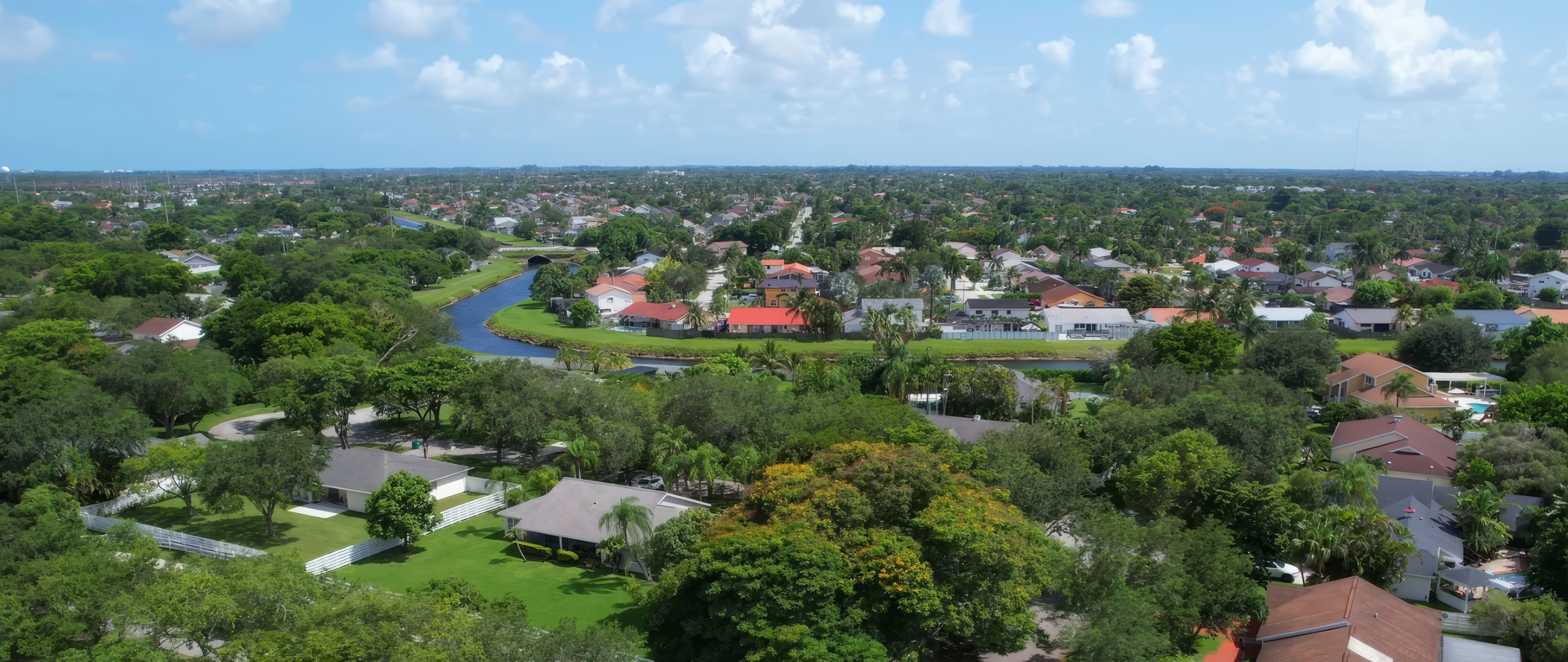
Country Walk, Miami, Florida - EVERYTHING You Want to Know
Settle in, maybe grab a cup of coffee or your favorite snack. It's going to be a fun ...
.png)
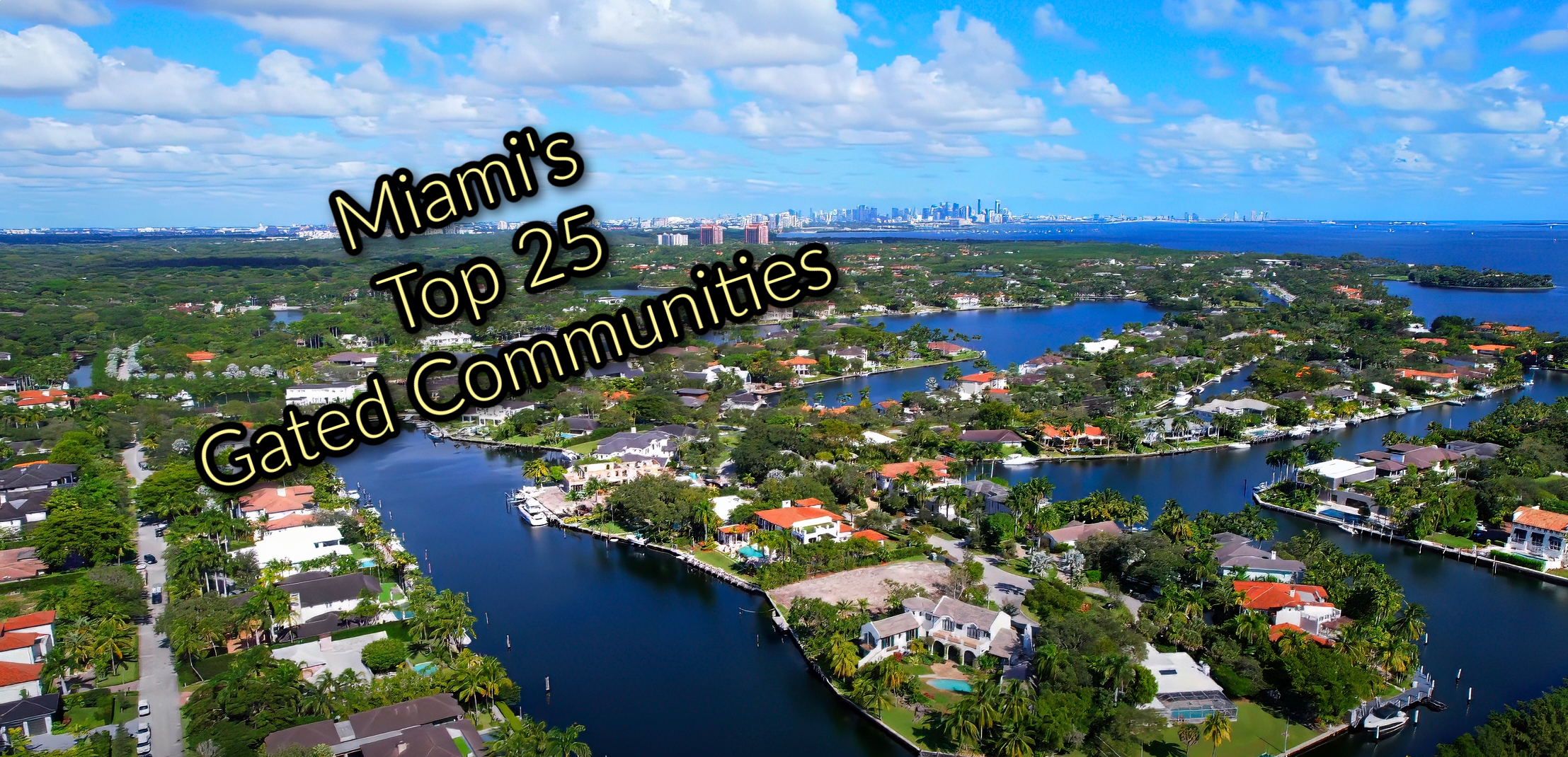
The Ultimate Guide to Miami-Dade's Top 25 Gated Communities for Single-Family Homes
Discover Miami's top gated communities in this essential guide for luxury home buyers...


Miami's BEST Restaurants in EVERY Neighborhood
Check out the absolute BEST restaurants in every neighborhood of Miami, including the best...
Selling Your Home?
Who are we?
We are the ALL IN Miami Group out of Miami.
We are Colombian, Filipino, Cuban, German, Japanese, French, Indian, Syrian, and American.
We are Christian, Hindu, and Jewish.
We are many, but we are one.
We sell luxury homes in Miami, Florida.
Although some of our clients are celebrities, athletes, and people you read about online, we also help young adults find their first place to rent when they are ready to live on their own.
First-time buyers?
All the time!
No matter what your situation or price range is, we feel truly blessed and honored to play such a big part in your life.