



What Nobody Tells You About Living in South Miami

Amit Bhuta
I use non-traditional marketing to inspire the most motivated buyers to pay the max for Miami luxury homes...
I use non-traditional marketing to inspire the most motivated buyers to pay the max for Miami luxury homes...
We don't know who needs to hear this, but South Miami is not a neighborhood or a suburb.
It will remind you, politely but firmly, that it is its own city with its own ZIP code and its own mayor.
And once you're here, you'll get it: the streets are shaded by actual trees, the vibe feels more small-town than South Florida, and the tagline "The City of Pleasant Living" isn't lying one bit.
Really, where else can you ride a bike to a farmers market, nod at neighbors, and live some kind of Norman Rockwell fantasy fifteen minutes from Brickell?
But there's a catch.
As soon as you try driving anywhere near US-1 during rush hour, or discover what "small-town charm" feels like when everyone knows your business, you'll realize that pleasant living has an asterisk, and it's a big one.
Here are five things nobody tells you about living in South Miami.
 (51).png?w=1140)
1) South Miami’s Borders Look Like Someone Sneezed Mid-Map
South Miami’s city line does not glide neatly around the neighborhood like a responsible adult with a ruler.
It zigzags around streets, parcels, and nearby areas with the confidence of someone who lost the original map but refused to admit it.
In fact, an address may be in South Miami because of its mailing location, but the property itself sits outside the official city limits.
That difference can affect police service, permits, zoning rules, trash collection, local taxes, city elections, and which government office gets to place you on hold.
Two houses on the same road may share similar lawns, rooflines, and grocery routines while answering to different municipalities.
One owner may call South Miami City Hall, while the neighbor contacts Miami-Dade County and begins entirely separate paperwork.
Online listings do not always make the distinction obvious because “South Miami” also works as a broad location label for surrounding areas.
The safest approach is to check the official municipal boundary instead of trusting a map pin that appears to have been dropped during turbulence.
Being in the city can bring access to South Miami’s local services, government meetings, parking programs, and community decisions.
It also means the city’s own codes, approvals, and political debates can become surprisingly relevant to an ordinary Tuesday.
In South Miami, confirming where the property sits should happen before anyone gets emotionally attached to a gorgeous patio.
 (52).png?w=1140)
2) You Can Walk to Dinner, but US 1 Controls When You Get Home
South Miami’s Hometown District can make an evening out effortless.
Restaurants, shops, cafés, entertainment, and the Metrorail station are close enough together that the car can remain parked while everyone remembers how sidewalks work.
Then US 1 enters the plan like a relative who was not invited but controls the entire schedule.
The road cuts through South Miami’s daily rhythm, carrying commuters, hospital traffic, shoppers, school runs, buses, delivery trucks, and drivers making last-second lane changes with spiritual conviction.
A destination may be only a few blocks away, while the intersection between you and it develops a thirty-minute personality.
Living near downtown can make dining, errands, and transit easier, but the usefulness drops quickly when the route requires crossing a major road on foot or joining traffic by car.
The Metrorail adds a valuable connection to other parts of Miami, although reaching the station comfortably still depends on the exact street and the weather’s willingness to cooperate.
Parking can also become competitive during busy dining hours, events, and weekends when half the county remembers the same restaurant exists.
Residential blocks farther from the center may offer more quiet, but they also turn South Miami’s walkable reputation into something enjoyed mainly after driving there.
The city is compact enough to look effortless on a map and busy enough to challenge that theory in real life.
South Miami lets you walk to dinner, but US 1 reserves the right to decide whether dessert was a responsible choice.
 (53).png?w=1140)
3) Sunset Place Is Coming Back With Cranes
For years, Sunset Place sat in downtown South Miami like a large shopping mall waiting for a new plan.
It finally arrived, and it includes major redevelopment, new residences, commercial space, entertainment, and enough construction activity to give the skyline a temporary collection of metal accessories.
The project promises to bring more life, businesses, housing, and foot traffic to a site that has struggled to match the city's energy.
It also means the surrounding streets may spend years hosting trucks, closures, noise, dust, equipment, and orange cones with impressive job security.
South Miami’s small-town image is preparing to share space with denser buildings and a larger downtown population.
That growth could support restaurants, shops, transit use, and public spaces that need more regular customers than a peaceful weekday currently provides.
It could also place added pressure on parking, intersections, schools, utilities, and nearby residential streets already negotiating with US 1.
A peaceful route used today may become tomorrow’s construction entrance, delivery lane, or favorite shortcut for hundreds of new neighbors.
The redevelopment will not affect every South Miami block equally, but properties near the Hometown District will experience the changes more directly.
The final result may improve downtown while making the path to that improved downtown noisy, slow, and heavily decorated by fencing.
Sunset Place is returning with ambition, but first it would like everyone to meet the cranes.
 (54).png?w=1140)
4) The House Is Old, the Oak Is Protected, and the Permit Is Missing
South Miami can present a beautiful older home with terrazzo floors, mature trees, and an addition nobody has been able to explain since 1987.
The house may have passed through several owners, each contributing one renovation, two design choices, and absolutely no organized folder of records.
An updated kitchen can sit beside aging plumbing, an older electrical panel, or a roof whose exact age changes depending on who answers the question.
Converted garages, enclosed patios, guest rooms, and expanded living areas deserve careful permit checks before they are accepted as official square footage.
The yard brings its own paperwork because mature trees are part of South Miami’s character and may require approval before removal or major work.
That grand oak shading the roof can be beautiful, protected, expensive to maintain, and personally committed to dropping debris into the gutters.
Renovation plans may also run into zoning limits, setbacks, lot coverage rules, historic review, or a variance process that turns one sketch into several meetings.
Meanwhile, newer mansions continue replacing smaller houses, creating blocks where a modest bungalow can sit beside a home large enough to have its own weather pattern.
That contrast affects privacy, construction noise, tree canopy, drainage, and the amount of sunlight reaching the yard next door.
South Miami’s residential charm comes from its mix of old houses, established landscaping, and streets that have not been rebuilt from one matching catalog.
The charm is real, but so is the moment an inspector asks why the “bonus room” has no permit and one wall appears younger than the rest of the house.
 (55).png?w=1140)
5) Your Most Expensive Surprise May Be Buried Under the Grass
A well-kept South Miami lawn can hide a septic tank, drain field, utility line, drainage problem, or future sewer connection that has no interest in appearing in the listing photos.
Some properties still rely on septic systems, which means the condition, location, capacity, and maintenance history matter long before the first backyard renovation begins.
A failing system can cause odors, slow drains, soggy patches, backups, and repair costs that can ruin both the landscaping and the mood.
The drain field also limits where pools, additions, patios, driveways, trees, and other improvements can be placed.
South Miami’s ongoing septic-to-sewer work may eventually improve infrastructure, but construction can involve street excavation, utility disruptions, connection costs, and months of equipment appearing outside without being invited.
A home that already has sewer service may avoid the septic question while introducing another one about aging pipes between the house and the street.
Stormwater deserves consideration, too, because heavy rain does not distribute itself according to property value or tasteful landscaping.
One street may drain quickly while another collects standing water near driveways, swales, yards, and lower entrances.
Fresh sod can cover evidence of previous digging, drainage repairs, or a low section that becomes much more expressive during summer storms.
Records, inspections, flood information, and conversations with nearby homeowners can reveal more than a sunny showing ever will.
In South Miami, the prettiest patch of grass may be resting directly above the next chapter of the household budget.
WHO GETS THE MOST OUT OF LIVING IN SOUTH MIAMI?
Those who want a little city with useful connections
South Miami handles ordinary life better than neighborhoods that spend most of their energy pretending to be expensive in photos.
Its downtown offers restaurants, cafés, shops, Metrorail access, and enough activity to make leaving the house worthwhile without turning dinner into a full Miami expedition.
A few streets away, older homes, shaded yards, and quieter blocks bring the pace back down before the city starts showing off.
That compact mix gives South Miami a practical rhythm that works on weekdays, and even during perfectly planned Saturdays.
The train can handle certain commutes, the downtown can cover several errands, and the residential streets provide somewhere calmer to return to afterward.
South Miami also has enough personality to avoid looking like a neighborhood assembled from one builder’s favorite floor plan.
Bungalows, renovated homes, new construction, mature trees, and small commercial pockets all share the same limited map without agreeing on one uniform appearance.
The city government is close enough that local changes receive attention quickly, sometimes before the construction sign has finished drying.
That closeness can bring more meetings and opinions, but it also keeps South Miami from becoming an anonymous corner of a much larger county.
The incoming downtown growth may add more choices, while the established residential areas continue doing the work of making the city livable.
South Miami gives its best performance when convenience, character, and breathing room matter more than luxe perfection.
WHO MAY WANT TO KEEP LOOKING?
Anyone who needs a home to come with fewer outside opinions
South Miami has too many active storylines to promise a completely uneventful address.
The downtown is preparing for major redevelopment while residential blocks continue to replace smaller houses, renovate older ones, and debate how much new construction is too much.
US 1 keeps traffic circulating through the middle of everything with the calm energy of a fire alarm nobody can switch off.
The city’s walkable reputation also depends heavily on location because a pleasant stroll near Sunset Drive can be a car trip several blocks farther out.
Older houses may bring terrazzo, shaded porches, and mature landscaping along with aging wiring, old plumbing, mystery additions, and permit records that ended halfway through the story.
Large trees add beauty until their roots challenge a driveway, their branches reach the roof, or a renovation plan discovers they have legal protection.
Some lawns also hide septic systems, drain fields, utility lines, or future sewer work beneath grass that looks far too innocent for this much responsibility.
Heavy rain can expose drainage differences that remain invisible during a sunny showing with freshly edged hedges.
South Miami’s uneven city limits add another wrinkle as two nearby homes may use the same neighborhood name while reporting to different governments.
The result is a city where the house, street, downtown, and underground infrastructure may all be changing on separate schedules.
Anyone searching for uniformity, easy permits, silent roads, and surprises limited to birthday parties may find South Miami unusually committed to keeping several tabs open.
AN HONEST TAKEAWAY
What living in South Miami really comes down to
South Miami isn't just a simple category.
It is a small independent city, a walkable restaurant district, a collection of leafy residential streets, a transit stop, and a major redevelopment zone sharing barely more than two square miles.
The downtown offers convenience, although US 1 charges a patience fee for accessing it at the wrong hour.
The older neighborhoods bring shade and character, although the houses, trees, and permit histories may each require separate investigations.
The coming redevelopment could give South Miami a stronger center with more housing, retail, and public activity.
It could also bring years of cranes, detours, construction noise, and more drivers discovering the same already-busy roads.
Below ground, septic systems, sewer conversions, aging pipes, and drainage conditions add another layer that polished interiors cannot explain.
The city’s unusual borders mean even the local government serving the address should be confirmed rather than assumed.
South Miami is resistant to quick summaries.
Its appeal comes from having several useful versions of Miami close together without becoming fully urban or fully suburban.
Living in South Miami comes down to enjoying the balance while remembering that the map, the traffic, the trees, and the lawn may each be withholding one small detail.
%20(52).png)
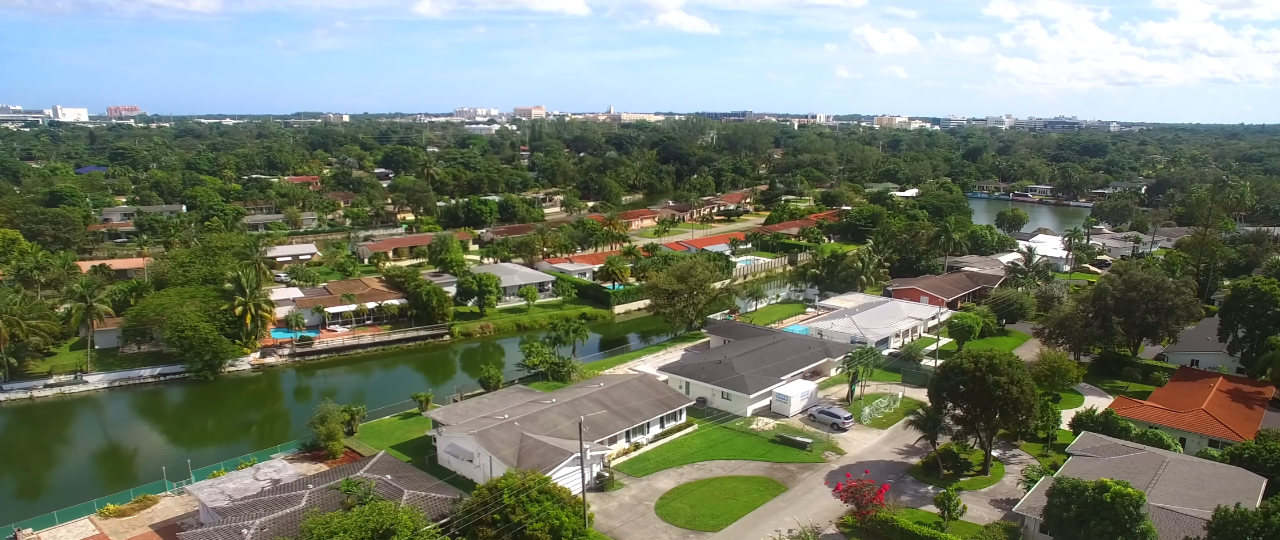
South Miami, Miami, Florida - EVERYTHING You Want to Know
Ride with us on this virtual train of all things South Miami! By the end of this guide, yo...
.png)
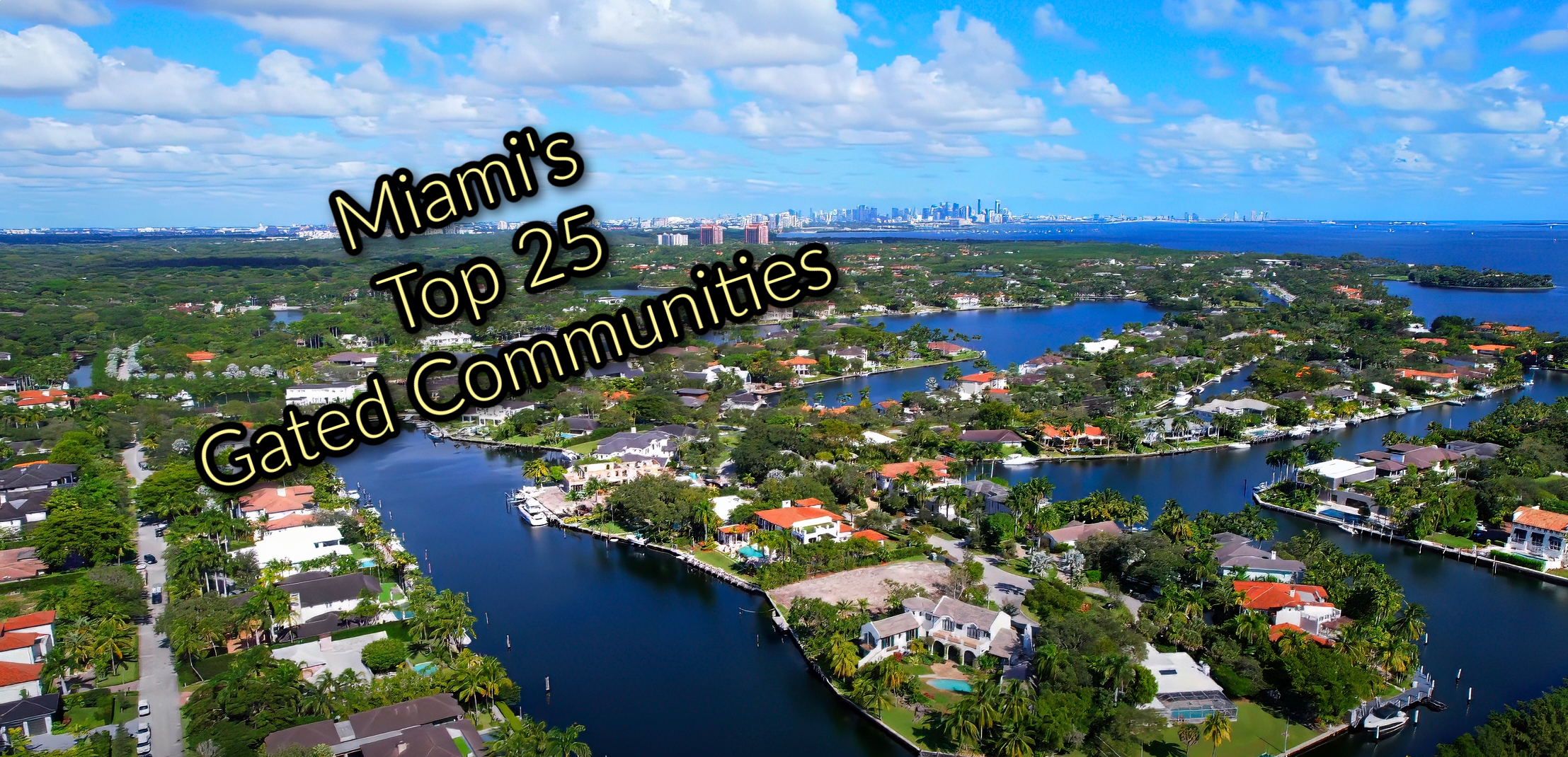
The Ultimate Guide to Miami-Dade's Top 25 Gated Communities for Single-Family Homes
Discover Miami's top gated communities in this essential guide for luxury home buyers...

Miami's BEST Restaurants in EVERY Neighborhood
Check out the absolute BEST restaurants in every neighborhood of Miami, including the best...
Selling Your Home?
Who are we?
We are the ALL IN Miami Group out of Miami.
We are Colombian, Filipino, Cuban, German, Japanese, French, Indian, Syrian, and American.
We are Christian, Hindu, and Jewish.
We are many, but we are one.
We sell luxury homes in Miami, Florida.
Although some of our clients are celebrities, athletes, and people you read about online, we also help young adults find their first place to rent when they are ready to live on their own.
First-time buyers?
All the time!
No matter what your situation or price range is, we feel truly blessed and honored to play such a big part in your life.