



What Nobody Tells You About Living in South Beach

Amit Bhuta
I use non-traditional marketing to inspire the most motivated buyers to pay the max for Miami luxury homes...
I use non-traditional marketing to inspire the most motivated buyers to pay the max for Miami luxury homes...
In a city built on sunshine and good lighting, South Beach plays the leading role — and it never misses its mark.
The ocean breeze, the neon nightlife, the sense that you've wandered onto a film set where everyone's an extra in white linen: it's intoxicating.
Tourists-turned-residents arrive expecting glamour, and they're not disappointed.
Up until the plot thickens, that is.
'Coz behind the curated cocktails and influencer backdrops, there's a version of South Beach that we skip on our FYPs.
And this side keeps the soundtrack playing, but changes the script oh so delicately that we don't even notice.
Here are five things nobody tells you about living in South Beach.
 (43).png?w=1140)
1) Ocean Drive Doesn't Sleep, and Neither Will You
At 2:17 a.m., South Beach can still sound as though someone has just announced free drinks to an entire zip code.
Music spills from clubs, rideshares stack up near hotels, scooters appear from nowhere, and groups of visitors hold full-volume conversations directly beneath residential windows.
Ocean Drive gets most of the attention, but the noise does not always remain inside the entertainment district.
Busy weekends can push traffic, parking searches, party crowds, and police activity into nearby residential streets that looked peaceful during the Tuesday afternoon showing.
Major events bring another layer of checkpoints, road closures, towing zones, security measures, and detours that can make returning home require identification, patience, and a convincing explanation of why you live there.
South of Fifth, Flamingo Park, West Avenue, and the Art Deco core do not experience the same intensity, so the exact block matters more than the broad South Beach label.
A unit facing an interior courtyard may sleep differently from one above a restaurant, beside an alley, or across from a hotel entrance where luggage wheels begin their morning shift before sunrise.
Building design matters too, because old windows and thin walls may allow every horn, laugh, argument, and suitcase to join the household without paying rent.
The upside is that restaurants, nightlife, beach activity, and people-watching are always close enough to rescue a dull evening, but South Beach does not always know when your evening is over.
So, you have to accept that the neighborhood occasionally treats bedtime as a personal suggestion rather than a community standard.
 (44).png?w=1140)
2) Car-Free Doesn't Mean Care-Free
In South Beach, a car seems unnecessary right up until the exact moment you need to cross the bay, pick up something bulky, or collect a relative from the airport.
Daily errands can be easy on foot because groceries, cafés, gyms, restaurants, parks, and the beach often sit within a manageable distance.
The beachwalk, bicycle lanes, scooters, buses, and free trolley service add enough options to make car-light living realistic on many blocks.
Then the weather turns, the trolley is delayed, your groceries become heavier than expected, and the romantic walk home starts resembling a humid endurance event.
However, keeping a car introduces a different set of problems involving permits, garages, guest parking, meter rates, towing rules, and the eternal search for a legal space that does not require interpreting six signs at once.
Visitors may spend more time parking than they spend visiting, especially during major weekends when rates rise, and ordinary spaces become mythical creatures.
Leaving South Beach can also turn a simple mainland trip into a causeway commitment.
One crash, event, storm warning, or badly timed rush hour can slow the limited routes across Biscayne Bay and make the skyline appear close enough to touch but too far away to reach before dinner gets cold.
Deliveries and service appointments bring their own puzzles in buildings with loading rules, restricted access, narrow streets, or nowhere convenient for a truck to stop.
South Beach makes local movement flexible, but island geography keeps a small prank hidden in every transportation plan.
You may not need a car every day, but on the days you need one, you'll surely understand the difference.
 (46).png?w=1140)
3) Your HOA Fee Just Wants to Watch the World Burn (Slowly, With Interest)
The attractive listing price is often the first number you meet, not the number that follows you home.
Older South Beach condominium buildings can feature monthly fees shaped by insurance, elevators, roofs, balconies, plumbing, façades, staffing, utilities, security, and a long list of shared systems that age together like a family with excellent ocean views.
Milestone inspections and structural reserve requirements have pushed many associations toward repairs and funding needs that could once be postponed, minimized, or discussed until everyone became tired.
That can mean higher dues, special assessments, loans, or several financial surprises arriving in matching envelopes.
A renovated unit does not protect the buyer from a building with weak reserves, aging concrete, expensive insurance, or an elevator that has recently developed a personal philosophy about reliability.
The lobby may smell like a luxury hotel while the association budget may seem like a disaster movie with spreadsheets.
Board decisions also shape daily life through pet limits, rental restrictions, guest rules, package procedures, renovation deposits, parking assignments, and the exact hours someone is permitted to use a drill.
The city, the association, or both may prohibit short-term rentals, which is helpful if you plan to rent the unit or prefer not to meet a new suitcase in the hallway every weekend.
Before buying, the essential reading includes meeting minutes, budgets, reserve studies, engineering reports, insurance information, pending lawsuits, and notices about future projects.
These documents reveal whether the building is prepared for its responsibilities or is hoping the next owner brings a larger checkbook.
In South Beach, you are not purchasing four walls alone, because the entire building has already added itself to the group expense.
 (47).png?w=1140)
4) Old Bones, New Rules: Renovating on South Beach Isn't a DIY Show
That vintage apartment may inspire visions of knocking down walls, enlarging windows, opening the kitchen, and finishing everything before the first dinner party.
South Beach has heard this speech before and has prepared several forms.
Many buildings sit in historic districts or carry protected architectural features, which means exterior changes, demolition, windows, doors, balconies, signage, and other visible work may require preservation review.
The rules help protect the Art Deco character that gives the neighborhood much of its identity and prevents every pastel façade from becoming a mirrored gray box with aggressive lighting.
They also mean ownership does not automatically include permission to replace every old feature that annoys you.
Inside the unit, building approvals may govern work hours, contractor access, elevator use, plumbing changes, flooring, soundproofing, deposits, and how long construction materials may occupy a hallway before someone files a complaint.
Vintage layouts bring another set of negotiations involving small closets, narrow kitchens, shared laundry, limited storage, and rooms designed before anyone owned three televisions and a home office chair the size of a compact car.
Old walls may hide aging pipes, uneven surfaces, previous repairs, or wiring that turns a simple renovation into a historical investigation with invoices.
Contractors familiar with Miami Beach rules are especially valuable because enthusiasm does not count as a permit and confidence does not impress a preservation board.
The finished result can be exceptional when modern comfort is added without erasing the building’s original character.
Just remember that the makeover has multiple producers, and you are not the only person allowed to approve the final reveal.
 (48).png?w=1140)
5) 93% of Buildings Are in the Flood Zone, Including Yours Probably
The ocean looks far more charming when it's relaxed and chilling.
South Beach sits on a low coastal island exposed to heavy rain, high tides, storm surge, and the occasional sunny-day puddle that appears without asking the clouds for permission.
Miami Beach reports that most of its buildings fall within a Special Flood Hazard Area, so flood questions are not limited to the properties directly facing the water.
Ground-floor units, garages, storage rooms, mechanical spaces, and streets can experience water differently depending on elevation, drainage, building design, and the exact location.
A clear afternoon showing will not explain what happens after several hours of rain or during a king tide, which is why flood records, elevation certificates, insurance details, and previous water intrusion must be considered.
Raised roads, pumps, upgraded drainage, and utility projects are designed to improve long-term resilience, but bring construction noise, detours, blocked access, and enough orange barriers to make the neighborhood resemble a permanent obstacle course.
Private properties may also sit lower than newly raised streets, creating complicated questions about driveways, entrances, and where the water moves next.
Salt air adds another expense by wearing down railings, windows, balconies, cars, air-conditioning equipment, and anything metal that believed it had more time.
Hurricane season brings shutters, evacuation plans, insurance deductibles, balcony clearing, and the yearly household debate over whether every outdoor chair can become airborne.
So, while we all love waking near the beach, walking beside the ocean, or watching storms roll across the horizon from a safe upper floor, it simply means South Beach sells the view and includes a long coastal maintenance agreement in the fine print.
WHO GETS THE MOST OUT OF LIVING IN SOUTH BEACH?
Those who want ordinary life with a little theater in the background
South Beach turns errands, workouts, coffee runs, and evening walks into activities with better scenery than they strictly require.
The beach is close, restaurants are everywhere, and entire weekends can unfold without anyone remembering where the car is parked.
Its compact layout makes daily life more walkable than most of Miami, while the trolley, bike routes, and beachwalk provide backup when the destination is farther than flip-flop distance.
The neighborhood also refuses to be boring, even when the only plan was grocery shopping and going home.
One block may offer quiet Art Deco apartments and shady sidewalks, while the next supplies rooftop music, hotel entrances, tourists posing in traffic, and a man carrying a parrot for reasons nobody questions anymore.
That constant activity gives South Beach an energy that newer master-planned areas cannot reproduce with a fountain and three matching restaurants.
The historic buildings add color, detail, and personality, while the ocean keeps the entire place from taking itself too seriously.
Different pockets can also soften the chaos, especially around quieter parts of Flamingo Park, West Avenue, or South of Fifth.
South Beach works best when convenience, movement, beach access, and a strong sense of place matter more than perfect calm.
It rewards anyone who can enjoy the spectacle without needing to participate in every scene.
Here, Miami does not wait for a special occasion to become interesting, because Tuesday afternoon may already include roller skates, a film crew, and somebody dressed for an awards show at the pharmacy.
WHO MAY WANT TO KEEP LOOKING?
Anyone who needs a home to come with fewer outside opinions
South Beach invites the city, the condo board, the insurance company, the preservation office, the weather, and several hundred weekend visitors into decisions that would be simpler almost anywhere else.
A quiet unit can still belong to a building preparing for concrete repairs, reserve increases, insurance renewals, or an assessment large enough to require its own emotional-support spreadsheet.
Older properties may add narrow kitchens, limited storage, thin walls, shared laundry, and plumbing that interprets “quick update” as a personal challenge.
Renovation plans can pass through association rules, permits, historic review, contractor schedules, and neighbors who now know the exact rhythm of your tile saw.
Outside the building, parking requires patience, mainland trips require timing, and major weekends may alter roads, access, prices, and everyone’s mood.
The ocean air is beautiful until it begins eating metal, fogging windows, aging equipment, and leaving sand in places never been touched by the beach.
Heavy rain and high tides can also change the use of streets, garages, entrances, and ground-floor spaces with very little warning.
Noise depends heavily on the address, but late-night music, hotel activity, luggage wheels, and enthusiastic conversations can travel farther than the listing agent’s voice during a showing.
South Beach does not offer predictable calm, simple ownership, or a guarantee that the monthly housing cost will remain on its best behavior.
It also has little sympathy for anyone who dislikes crowds but keeps choosing restaurants beside Ocean Drive on holiday weekends.
Anyone searching for low fees, easy renovations, quiet streets, abundant parking, and minimal weather drama may discover that South Beach considers all five requests unnecessarily ambitious.
AN HONEST TAKEAWAY
What living in South Beach really comes down to
South Beach is the rare neighborhood where the best features and the biggest headache often arrive in the same pair of sunglasses.
Its energy comes from the beach, architecture, restaurants, visitors, nightlife, and constant movement that make an ordinary week look far more entertaining from the sidewalk.
That same energy creates noise, traffic, parking problems, public activity, and weekends when getting home requires the planning skills of a small military operation.
Historic buildings give the neighborhood its identity, but they also bring old systems, small layouts, renovation limits, and association records.
Condo ownership can open the door to beach living while introducing every elevator, balcony, insurance policy, and reserve shortage in the building.
The island layout makes walking easy and mainland trips unpredictable, especially when a bridge, storm, event, or traffic jam decides to rewrite the schedule.
Coastal living provides ocean breezes, sunrise walks, and immediate beach access, then sends invoices for insurance, corrosion, flood planning, and construction projects designed to keep the water where it belongs.
South Beach becomes easier to understand once the block and building replace the neighborhood name as the main research subject.
A calm courtyard unit near Flamingo Park and a condo above a late-night business may share the same South Beach label while having almost nothing else in common.
The neighborhood offers a vivid, convenient, and highly social version of Miami, but it expects flexibility, homework, and a budget with strong coping skills.
Here, it all comes down to deciding whether waking in the action is worth occasionally discovering that the action has parked in your space.
%20(51).png)
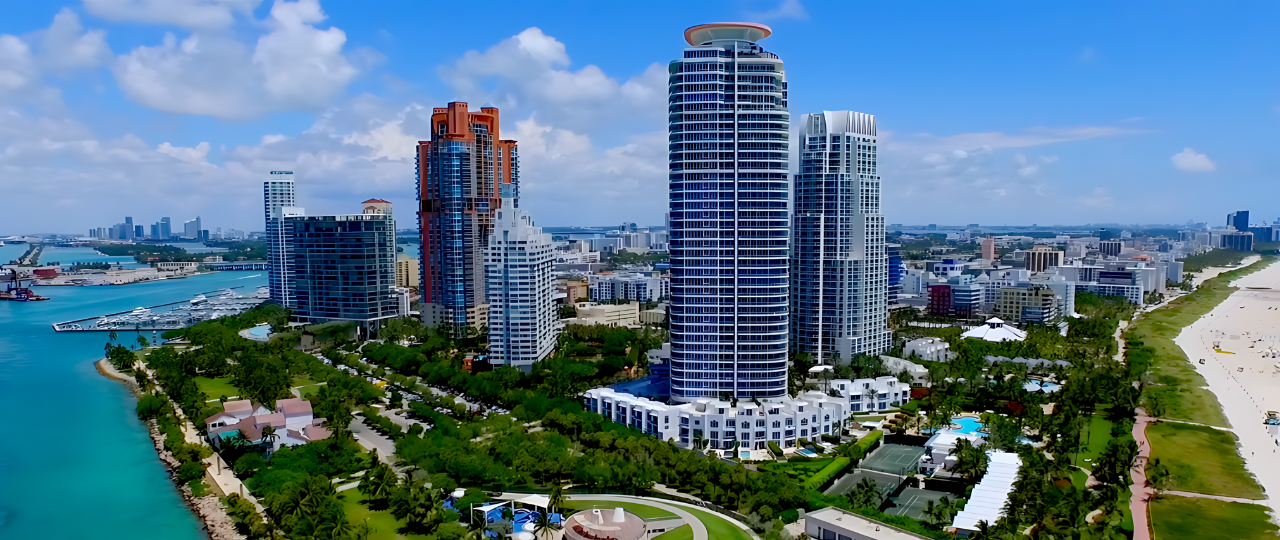
South Beach, Miami, Florida - EVERYTHING You Want to Know
Buckle up and join our journey to the BEST of South Beach! we promise to transform you int...
.png)
The Ultimate Guide to Miami-Dade's Top 25 Gated Communities for Single-Family Homes
Discover Miami's top gated communities in this essential guide for luxury home buyers...


Miami's BEST Restaurants in EVERY Neighborhood
Check out the absolute BEST restaurants in every neighborhood of Miami, including the best...
Selling Your Home?
Who are we?
We are the ALL IN Miami Group out of Miami.
We are Colombian, Filipino, Cuban, German, Japanese, French, Indian, Syrian, and American.
We are Christian, Hindu, and Jewish.
We are many, but we are one.
We sell luxury homes in Miami, Florida.
Although some of our clients are celebrities, athletes, and people you read about online, we also help young adults find their first place to rent when they are ready to live on their own.
First-time buyers?
All the time!
No matter what your situation or price range is, we feel truly blessed and honored to play such a big part in your life.