



Little Haiti, Miami — A Cheat Sheet for Buyers, Visitors, & the Curious

Amit Bhuta
I use non-traditional marketing to inspire the most motivated buyers to pay the max for Miami luxury homes...
I use non-traditional marketing to inspire the most motivated buyers to pay the max for Miami luxury homes...
The Caribbean rhythms in the air, colorful murals along neighborhood corridors, and one of the most culturally rich immigrant communities in the country define the identity of Little Haiti, Miami.
But many still wonder if these are the only things worth knowing about this historic district.
Located just north of the city’s urban core, Little Haiti Miami has become a center of Haitian culture, art, music, and entrepreneurship within Miami’s evolving development landscape, just a few miles north of Downtown Miami and bordered by communities such as Wynwood, Little River, Buena Vista, and the Design District.
Over the past several decades, Little Haiti has evolved from a community of Haitian immigrants into a culturally vibrant district recognized for community events, Caribbean markets, local restaurants, art spaces, and historic institutions, such as the Little Haiti Cultural Complex.
At the same time, the neighborhood has attracted increasing attention from developers and investors, including highly publicized projects such as the proposed Magic City Innovation District, new housing developments, and expanding commercial activity across nearby corridors.
So what exactly is there to know about this cultural landmark and emerging urban neighborhood?
This guide tackles the most common questions about Little Haiti Miami, from housing and lifestyle to culture, redevelopment, and its role in the city’s future.
Here's what you need to know about living in, visiting, and understanding Little Haiti.
-topaz-upscale-2.1x.jpeg?w=1140)
LIVING IN LITTLE HAITI
Where is Little Haiti located in Miami?
Little Haiti is located in north-central Miami, just inland from Biscayne Bay and roughly 4 miles north of Downtown Miami.
The neighborhood is commonly described as stretching from around NE 54th Street to about NE 79th Street, with Interstate 95 forming the western edge and corridors near Biscayne Boulevard and NE 2nd Avenue shaping the eastern side of the district.
Its location places it near several well-known areas, including the Miami Design District, Buena Vista, Little River, the Upper East Side, and Wynwood, which helps explain why Little Haiti feels culturally rooted while also becoming increasingly central within Miami’s urban geography.
Is Little Haiti part of the City of Miami?
Yes. Little Haiti is an official neighborhood within the City of Miami and is not its own municipality.
Local matters such as zoning, land use, planning approvals, and police services are handled by the City of Miami, while countywide systems, such as Miami-Dade Transit and Miami-Dade County Public Schools, serve the area.
City planning documents and neighborhood administration identify Little Haiti as a designated district within the city’s broader urban framework.
What is Little Haiti known for?
Little Haiti is widely recognized as the cultural center of Miami’s Haitian community.
The neighborhood is known for Haitian-Creole language, Caribbean markets, Haitian restaurants and bakeries, religious institutions, art galleries, and community spaces that reflect the traditions of Haiti and the broader Caribbean diaspora.
Cultural landmarks such as the Little Haiti Cultural Complex and the Caribbean Marketplace play a central role in preserving and celebrating Haitian art, music, dance, and storytelling.
What is the population of Little Haiti?
Little Haiti is home to roughly 30,000 to 35,000 residents, though estimates vary depending on how the neighborhood boundaries are defined.
The community includes one of the largest Haitian populations in the United States, alongside a mix of Caribbean, Latin American, and longtime Miami residents.
Haitian Creole, English, and Spanish are commonly spoken throughout the neighborhood, reflecting the area’s multicultural population.
Is Little Haiti a good place to live?
Little Haiti can appeal to buyers and renters who want a neighborhood with a strong cultural identity, convenient access to the rest of Miami, and housing options that still include single-family homes and smaller residential buildings rather than only high-rise towers.
Residents benefit from proximity to the Design District, Midtown Miami, and Wynwood, which place shopping, dining, and entertainment within a short drive.
However, Little Haiti remains an active urban neighborhood rather than a polished tourist district, so street conditions, development patterns, and property values can vary significantly from one block to another.
Is Little Haiti safe?
Safety in Little Haiti, as in many Miami neighborhoods, can vary by specific block, street activity, lighting conditions, and surrounding land uses.
Some residential pockets are quieter and primarily composed of long-standing homes, while commercial corridors and busier streets may experience higher activity levels.
Prospective buyers and renters should visit the neighborhood at different times of day, review crime statistics for specific addresses, and evaluate nearby streets before making a housing decision.
What types of homes are available in Little Haiti?
Little Haiti offers a diverse housing stock rather than one dominant residential style.
Buyers can find single-family homes, modest bungalows, duplexes, triplexes, and small apartment buildings throughout the neighborhood.
Many homes date back several decades, though newer infill development and modern townhome-style projects are gradually appearing as redevelopment spreads across nearby corridors.
How much do homes cost in Little Haiti?
Home prices in Little Haiti have increased significantly over the past decade as interest in central Miami neighborhoods has expanded.
Recent housing data places the average home value of Little Haiti in the mid-$500,000 range.
Typical listings are often between roughly $450,000 and $700,000, depending on property size, condition, and location.
Larger renovated homes or redevelopment parcels can exceed those figures, particularly near commercial corridors and areas experiencing new construction activity.
Is Little Haiti affordable for first-time buyers?
Little Haiti was historically considered one of the more affordable neighborhoods near central Miami, but rising property values have made entry more challenging.
While prices may still be lower than in luxury areas such as the Design District or Brickell, many homes now sell above the half-million-dollar mark.
First-time buyers sometimes focus on smaller homes, fixer-uppers, or multifamily properties to enter the market.
Is Little Haiti a good real estate investment?
Little Haiti has attracted growing interest from real estate investors because of its central location and proximity to rapidly developing areas such as the Miami Design District, Midtown Miami, and Wynwood.
Rising property values, redevelopment projects like the Magic City Innovation District, and increasing demand for housing near Miami’s urban core have made the neighborhood a focus for both developers and individual buyers.
However, investment potential can vary depending on property condition, zoning regulations, and redevelopment trends in surrounding blocks, so buyers should evaluate each property carefully before purchasing.
Are there apartments or condos in Little Haiti?
Yes. Little Haiti includes a mix of rental housing, including smaller apartment buildings, duplexes, and multifamily properties.
Median rents in the neighborhood typically range from $2,000 to $2,300 per month, depending on unit size and building condition, though newer developments can command higher rents.
Unlike areas such as Downtown Miami or Brickell, most residential buildings remain low-rise rather than high-rise towers.
Are there good schools near Little Haiti?
Families living in Little Haiti are served by Miami-Dade County Public Schools.
Nearby public schools include Toussaint L’Ouverture Elementary School, Morningside K-8 Academy, and Miami Edison Senior High School.
Parents may also consider magnet, charter, and private school options throughout the surrounding districts, depending on academic programs and grade levels.
For more information, visit Best Schools in Little Haiti.
Are there parks or outdoor spaces in Little Haiti?
Yes. While Little Haiti is primarily residential and commercial, several nearby parks provide green space and recreation.
Little Haiti Soccer Park at 6301 NE 2nd Avenue offers open fields and recreational space, while nearby parks such as Legion Park and Morningside Park along Biscayne Bay provide waterfront walking paths, playgrounds, and community events within a short drive of the neighborhood.
Pet owners may also visit Dog-Friendly Parks in Little Haiti for a list of parks that allow dogs.
What is the commute like from Little Haiti?
Little Haiti’s location makes it relatively convenient for commuters working in central Miami.
Downtown Miami is roughly 4 miles away, Midtown Miami and the Design District are about 2 miles away, and Wynwood is around 3 miles from much of the neighborhood.
Drivers can access major corridors such as I-95, Biscayne Boulevard, and NE 2nd Avenue, while bus routes connect the area to Downtown transit hubs.
Is Little Haiti walkable or transit-friendly?
Little Haiti is considered moderately walkable, especially along corridors such as NE 2nd Avenue, NE 54th Street, and NE 79th Street, where restaurants, markets, and small businesses are concentrated.
Miami-Dade Transit bus routes run through the neighborhood, connecting residents to Downtown Miami, Midtown, and Government Center transit hubs.
However, most residents still rely on cars for daily commuting since Miami’s public transit network remains limited compared with larger metropolitan cities.
How close is Little Haiti to Miami Beach and Miami International Airport?
Little Haiti sits about 7 miles from Miami Beach and approximately 20 minutes from Miami International Airport under normal traffic conditions.
Travel times can vary depending on congestion, but the neighborhood’s central location allows residents to reach major destinations in Miami relatively quickly compared with many suburban areas.
Does Little Haiti have homeowners' associations?
Little Haiti is not dominated by master-planned communities or large HOA developments.
Some individual buildings or small residential clusters may have property associations, but many homes in the neighborhood operate without HOA governance.
Buyers should verify HOA requirements directly with each property before purchasing.
-topaz-upscale-2.1x.jpeg?w=1140)
VISITING LITTLE HAITI
Is Little Haiti worth visiting?
Yes. Little Haiti offers a cultural experience that differs from Miami’s beach-focused tourism areas.
Visitors often come to explore Haitian cuisine, local art, music events, and community markets that reflect Caribbean heritage and immigrant history in Miami.
What can you do in Little Haiti?
Many visits center around cultural exploration, food, and neighborhood walking.
Popular activities include visiting the Little Haiti Cultural Complex, browsing vendors at the Caribbean Marketplace, exploring murals and galleries, and trying Haitian dishes at neighborhood restaurants and bakeries.
For a typical day in Little Haiti, check out Top 5 Things to Do in Little Haiti.
What is the Little Haiti Cultural Complex?
The Little Haiti Cultural Complex is a major cultural institution located at 212 NE 59th Terrace in Miami.
The facility includes a theater, art gallery, community classrooms, and outdoor spaces for performances, exhibitions, and cultural festivals that celebrate Haitian and Afro-Caribbean heritage.
What is the Caribbean Marketplace?
The Caribbean Marketplace, also known as Mache Ayisyen, sits adjacent to the Little Haiti Cultural Complex.
The open-air structure is designed to resemble a traditional Haitian market and often hosts vendors, cultural events, music performances, and community gatherings.
For nearby shopping, check out Top 5 Shopping Spots in Little Haiti.
Are there good restaurants in Little Haiti?
Little Haiti is known for authentic Haitian and Caribbean cuisine.
Restaurants and bakeries across the neighborhood serve dishes such as griot, diri kole ak pwa, fried plantains, patties, and traditional soups that reflect Haitian culinary traditions.
The surrounding area has also begun attracting newer dining concepts as development spreads north from the Design District and Wynwood.
Top 5 Places to Eat in Little Haiti features some of the best restaurants around Little Haiti.
Is Little Haiti an arts neighborhood?
Yes. Little Haiti has long supported Haitian visual arts, music, and storytelling traditions.
In recent years, artists and creative businesses priced out of Wynwood have also expanded into nearby Little River and Little Haiti, helping grow the local arts ecosystem.
When is the best time to visit Little Haiti?
Weekends often have the most active atmospheres because cultural events, art exhibitions, and community programming frequently take place.
Visitors interested in cultural festivals, markets, and live performances should check event schedules at the Little Haiti Cultural Complex before planning their visit.
Is parking easy in Little Haiti?
Parking is generally easier than in Miami’s busiest tourist districts.
Many streets allow curbside parking, though availability can vary during large events or around popular restaurants and cultural venues.
-topaz-upscale-2.1x.jpeg?w=1140)
UNDERSTANDING LITTLE HAITI
Why is it called Little Haiti?
The name Little Haiti reflects the neighborhood’s development as a hub for Haitian immigrants who settled in Miami during the late twentieth century.
As Haitian families established homes, churches, businesses, and cultural institutions in the area, the neighborhood gradually became recognized as the center of Haitian life in the city.
Is Little Haiti the same as Lemon City?
Not exactly. Lemon City was an earlier historic settlement in the same general area during the late nineteenth and early twentieth centuries.
Little Haiti developed later as Haitian immigrants established a strong cultural presence in the neighborhood during the 1970s and 1980s.
When did Haitians begin settling in Little Haiti?
Large waves of Haitian migration to Miami began during the 1970s and continued through the 1980s and 1990s.
Many Haitian families settled in the area that became known as Little Haiti and built businesses, churches, schools, and community organizations that still shape the neighborhood today.
What is the Magic City Innovation District?
The Magic City Innovation District is a large redevelopment project planned near 6001 NE 2nd Avenue within the broader Little Haiti and Little River area.
The mixed-use development proposal covers roughly 17 to 18 acres and includes plans for office space, residential buildings, retail, public spaces, and hospitality uses.
Why does the Magic City project matter to Little Haiti?
With its size and location, the Magic City Innovation District remains one of the most significant redevelopment efforts in the area.
Supporters believe it could bring jobs, new housing, and economic activity, while critics worry it may accelerate rising property values and displacement pressures within surrounding neighborhoods.
Is Little Haiti gentrifying?
Developers have increasingly focused on Little Haiti because of its central location, relatively large redevelopment parcels, and proximity to fast-growing districts such as the Design District, Wynwood, and Midtown Miami.
Projects such as the Magic City Innovation District and nearby mixed-use developments highlight how investors see the neighborhood as part of Miami’s expanding urban corridor north of Downtown.
Why are developers investing in Little Haiti?
Little Haiti has experienced increasing redevelopment pressure as Miami’s urban core expands northward.
Rising property values, investor interest, and proximity to districts such as Wynwood and the Design District contributed to concerns about affordability and displacement among residents.
Why do people talk about climate gentrification in Little Haiti?
Little Haiti sits at a higher elevation than several waterfront neighborhoods in Miami, including parts of Miami Beach and low-lying coastal districts.
Because of this, some researchers and urban planners believe inland neighborhoods, such as Little Haiti, may face lower long-term flood risk than certain coastal areas.
This idea has contributed to “climate gentrification" discussions, and investors have started focusing on higher-elevation neighborhoods as climate risks increasingly influence real estate decisions.
What neighborhoods surround Little Haiti?
Little Haiti is surrounded by several neighborhoods that often appear in real estate discussions around the same corridor.
Nearby areas include Little River, Buena Vista, the Upper East Side, the Miami Design District, and parts of Wynwood.
What role does Little Haiti play in Miami’s Haitian community?
Little Haiti remains the symbolic and cultural center of Miami’s Haitian diaspora.
The neighborhood continues to host community organizations, cultural institutions, restaurants, markets, and events that reflect Haitian heritage and maintain a visible cultural presence within the city.
What is the bottom line on Little Haiti today?
Little Haiti stands at the intersection of culture and redevelopment.
The neighborhood remains one of Miami’s most culturally significant communities while also becoming a focus of new investment and urban growth.
Understanding Little Haiti requires looking at both sides of that story: the deep cultural roots established by Haitian residents and the economic forces reshaping the area today.
-topaz-upscale-2.1x.jpeg?w=1140)
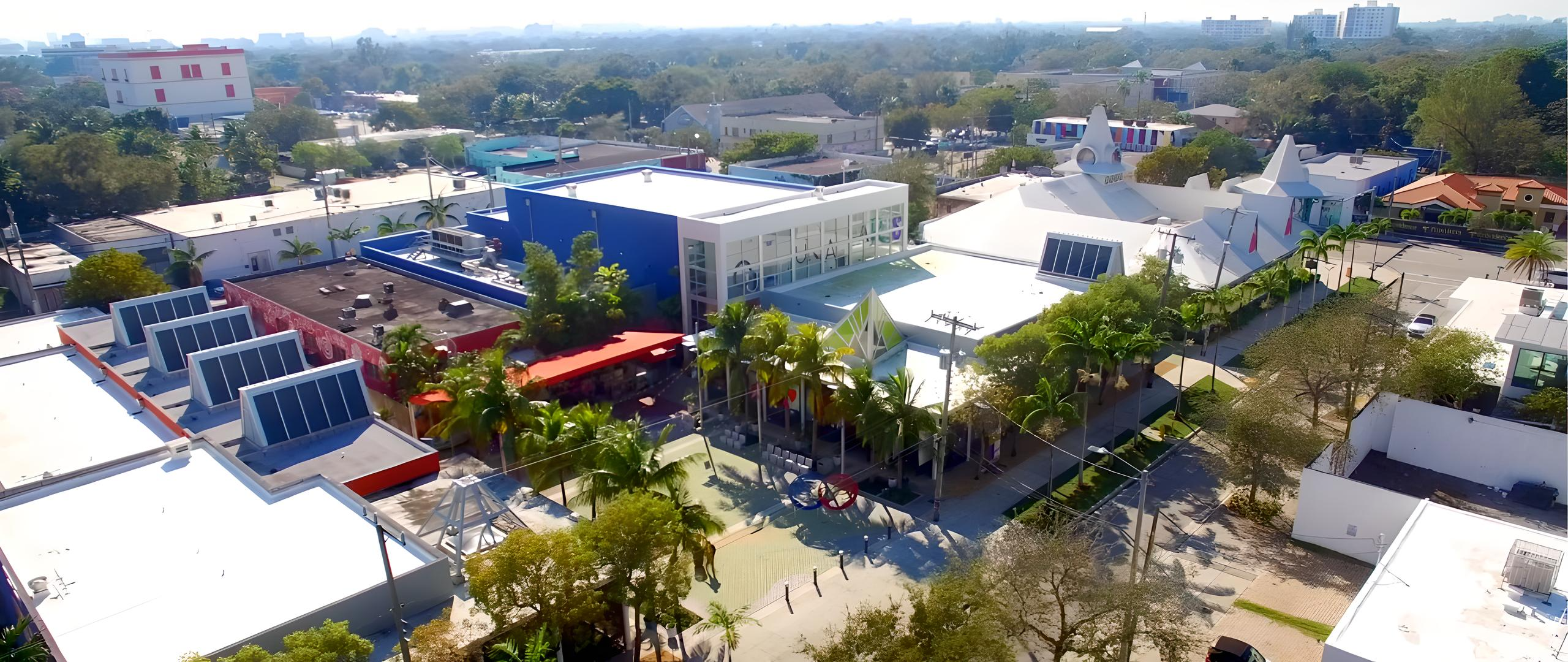%20(22)-fotor-20240528134935.png)
Little Haiti, Miami, Florida - EVERYTHING You Want to Know
Jump at this rare chance to explore the best of Little Haiti without leaving your seat! By...
.png)
The Ultimate Guide to Miami-Dade's Top 25 Gated Communities for Single-Family Homes
Discover Miami's top gated communities in this essential guide for luxury home buyers...
Miami's BEST Restaurants in EVERY Neighborhood
Check out the absolute BEST restaurants in every neighborhood of Miami, including the best...
Selling Your Home?
Who are we?
We are the ALL IN Miami Group out of Miami.
We are Colombian, Filipino, Cuban, German, Japanese, French, Indian, Syrian, and American.
We are Christian, Hindu, and Jewish.
We are many, but we are one.
We sell luxury homes in Miami, Florida.
Although some of our clients are celebrities, athletes, and people you read about online, we also help young adults find their first place to rent when they are ready to live on their own.
First-time buyers?
All the time!
No matter what your situation or price range is, we feel truly blessed and honored to play such a big part in your life.