



What Nobody Tells You About Living in The Sanctuary at Pinecrest

Amit Bhuta
I use non-traditional marketing to inspire the most motivated buyers to pay the max for Miami luxury homes...
I use non-traditional marketing to inspire the most motivated buyers to pay the max for Miami luxury homes...
The Sanctuary at Pinecrest is Pinecrest in airplane mode.
Here, through-traffic disappears, the homes sit behind controlled access, and the outside world has to request permission before dropping off dinner.
Its large estates and deep lots create the pleasant illusion that noise, clutter, and awkward driveway negotiations have been permanently removed from the software.
Even the neighborhood name suggests that stress will be confiscated at the gate along with unapproved visitors!
The problem is that airplane mode does not stop roofs from aging, pools from needing service, or thousands of square feet from developing thousands of opinions.
And while privacy may lower the volume, estate ownership still sends unwanted notifications.
Let's dive into it, shall we?
Here are five things nobody tells you about living in The Sanctuary at Pinecrest.
 (66).png?w=1140)
1) A New Listing Counts as a Major Local Event
In most neighborhoods, a “For Sale” sign is street furniture, but in The Sanctuary, it qualifies as breaking news.
The entire gated community contains only twelve estate homes, primarily built between 1995 and 1998.
With so few properties available, years can pass without the exact layout, lot position, renovation level, or pool setup someone wants appearing for sale.
When one does surface, there is no endless row of nearly identical backup options waiting two streets over.
That scarcity gives each listing more attention and can make the open house resemble a rare product launch with nicer countertops.
It also means owners cannot assume they will sell against a deep collection of recent, perfectly matched comparable homes.
A larger renovated estate may have little in common with the last smaller house that closed, even though both share the same gate and suspiciously well-behaved hedges.
One sale can influence neighborhood expectations while still being a poor guide for another property with different square footage, upgrades, roof age, or backyard ambitions.
The small scale also makes moving trucks, contractors, and major renovations difficult to miss because twelve homes do not provide much room for background activity.
The gate creates privacy from the public, but it cannot make a new listing invisible to everyone already inside.
In The Sanctuary, the market does not merely receive a new home for sale; it receives a limited-edition neighborhood episode.
 (62).png?w=1140)
2) You May Have Seven Thousand Square Feet of Things That Can Break
A house this large rarely breaks in one convenient, budget-friendly place at a time.
Published community records show that Sanctuary homes range between roughly 5,200 and 7,700 square feet, with large lots, private pools, and construction concentrated in the late 1990s.
That makes them spacious enough for formal rooms, offices, guest suites, multiple air-conditioning zones, and one closet where missing objects begin new lives.
It also makes them old enough for roofs, pool equipment, generators, windows, plumbing, electrical components, and climate systems to have very different replacement histories.
One home may have impact protection, updated mechanical systems, and a recently rebuilt outdoor area.
Another may present a spectacular foyer while several expensive systems backstage wait for their speaking roles.
The pool is not merely blue scenery because its pump, heater, surface, plumbing, deck, and screen of tropical landscaping all require separate attention.
Mature trees add privacy and beauty, but they also bring pruning, storm preparation, root concerns, leaf cleanup, and arborist visits that arrive without spa music.
A renovated kitchen can make a house appear fully modern even when the roof and air conditioners were not included in the makeover invitation.
Inspection work in The Sanctuary should follow the size of the estate rather than the shine of the listing photos, with permits, replacement dates, insurance documents, and maintenance records reviewed system by system.
Seven thousand square feet delivers glorious breathing room, but every additional room gives something else a chance to develop a noise.
 (65).png?w=1140)
3) Security Is Shared; the Roofing Invoice Is All Yours
The gate has a job description, and it ends long before the roofline.
The Sanctuary at Pinecrest Maintenance Association remains an active Florida nonprofit tied to the community’s shared operations.
Available property records describe association charges as covering common area maintenance, while current community information also associates the fees with gate operations and security monitoring.
That shared spending helps preserve the controlled entrance, private setting, and orderly surroundings that make the enclave feel separate from the streets outside.
It does not turn a private estate into a full-service condo where the association replaces the roof, repairs the pool, trims every tree, and comforts the air conditioner during a difficult summer.
The house, yard, pool, roof, windows, mechanical systems, and most of the expensive square footage remain attached to the owner’s budget.
Large homes can also involve multiple vendors at once, which is how a peaceful estate begins running a small company without issuing stock.
Exterior changes may bring association standards on top of Village of Pinecrest permits, so freedom and approval paperwork can occupy the same very large property.
The current fee, maintenance boundaries, architectural rules, insurance responsibilities, and any planned community work should come from updated association documents and an estoppel rather than an old listing.
A buyer needs to know precisely where the shared obligation stops because “common area maintenance” is a short phrase with no interest in fixing a private leak.
Security may be a group expense, but the roofing contractor will know exactly which household to invoice.
 (63).png?w=1140)
4) The Backyard Has a Pool, Palms, and a Drainfield
Somewhere beneath the resort-worthy backyard, a very unglamorous employee is handling sewage.
Property records for multiple Sanctuary homes show municipal water paired with a private septic system, including one estate that replaced its septic tank in 2021.
That combination is common in Pinecrest, but it can surprise anyone who assumes a gated estate automatically comes connected to public sewer service.
The septic tank and drainfield occupy real underground space, even when the lawn above them appears available for a gazebo, guesthouse, basketball court, or landscaping idea discovered at midnight.
A future pool renovation, home addition, generator, drainage project, or driveway change may need to work around that invisible layout.
The Village requires applicable plans and surveys to identify septic tanks and drainfields, and its drainage guidance places specific limits on how those areas interact with grading and stormwater retention.
That means the backyard should be read as infrastructure before being treated as an empty design canvas.
Septic can function for years when properly sized, maintained, and protected from heavy equipment or poorly planned construction.
It can also require pumping, inspection, repair, or replacement while showing absolutely no respect for your outdoor kitchen budget.
The palms may hide the equipment, but they do not erase access requirements, drainfield boundaries, or permit rules.
The backyard fantasy remains intact; it simply has a plumbing department working below the lounge chairs.
 (64).png?w=1140)
5) The Sanctuary Is Tucked Away, But It's Not Missing From the Map
The Sanctuary functions well even without a daily supply drop.
Its homes sit near Southwest 108th Street and 59th Court, only a few blocks from Pinecrest Gardens at Southwest 110th Street and Red Road.
That places a major Pinecrest park, cultural venue, and community destination close enough to become part of regular life rather than a special cross-county outing.
Dadeland, US-1, shopping, schools, restaurants, and the wider South Miami and Coral Gables area also remain within practical reach.
This access prevents the gated setting from turning into the residential equivalent of a remote island with excellent landscaping.
Yet The Sanctuary itself is a private estate enclave, not a commercial village where coffee, groceries, dinner, and dry cleaning wait outside the entrance.
A walk along Pinecrest Gardens can make sense, and a complete day of errands will usually involve a car and the traditional South Florida discussion about which route looks least offended.
The separation is deliberate because the community’s appeal depends on keeping businesses, heavy traffic, and random passersby away from its short residential street.
In exchange, daily services remain nearby without becoming the view from the breakfast room.
The gate keeps the vibe subtle, while the surrounding Pinecrest location keeps ordinary life from becoming inconveniently ceremonial.
The Sanctuary is secluded enough to reset the mood and connected enough that forgetting milk does not require a strategy.
WHO GETS THE MOST OUT OF LIVING IN THE SANCTUARY AT PINECREST?
Those who want twelve-house intimacy without moving off the map
The Sanctuary at Pinecrest does not ease into luxury; it closes a gate behind twelve oversized homes and gets straight to the point.
Its short street, deep lots, mature landscaping, and lack of through-traffic make ordinary suburban noise seem to have missed the turn.
The community works especially well when generous space matters, but disappearing into a remote corner of South Florida does not.
Pinecrest Gardens, Dadeland, schools, shopping, and everyday services remain close enough that running out of milk does not become a wilderness expedition.
Inside the enclave, there is room for guests, home offices, formal rooms, pool days, and a mysterious room that becomes permanent storage by month three.
The small scale gives The Sanctuary a calmer rhythm than larger gated developments with endless roads, crowded facilities, and amenity calendars requiring planning.
Here, there is no giant clubhouse, no resort program, and no early-morning competition for a pool chair.
The value lies in the homes, the lots, the controlled entrance, and the quiet rather than in a glossy menu of shared features everyone stops using after the first summer.
The mature greenery also gives The Sanctuary a settled look that newer communities cannot manufacture by planting twelve nervous palm trees beside fresh concrete.
Privacy serves as the main amenity, provided estate-sized upkeep is accepted as part of the package rather than an unfortunate clerical error.
The Sanctuary gives the most back when the goal is serious space, limited traffic, and a private Pinecrest setting that lowers the volume without cutting off daily life.
WHO MAY WANT TO KEEP LOOKING?
Anyone who expects the gate to come with a maintenance department
The Sanctuary at Pinecrest isn't for those with “easy ownership” at the top of their list.
These are large 1990s estates, which means the roof, pool, air-conditioning systems, irrigation, windows, generator, mature trees, and septic setup can all develop separate financial personalities.
The HOA supports the shared entrance and common setting, but the private home remains a full-time dependent with expensive hobbies.
A beautifully renovated kitchen does not prove that the plumbing, electrical work, roof, or drainfield received the same invitation into the current century.
The twelve-home scale can also frustrate anyone who wants plenty of listings to compare before making a decision.
The right floor plan may not appear until the market finishes taking a very long personal day.
When a home does come up for sale, comparisons can be awkward because one estate may be fully updated while another has spent three decades protecting every original finish.
The community provides privacy from outsiders, but it does not offer complete invisibility inside the gate.
A roofing crew, moving truck, or backyard renovation will not blend into the scenery when the entire neighborhood could fit inside one restaurant’s private dining room.
The septic setup deserves another pause for anyone who assumes marble floors automatically include a public sewer connection.
The Sanctuary is a weaker match when the goal is simple upkeep, frequent inventory, a full-service HOA, and a house that behaves like a condo after gaining several thousand square feet.
AN HONEST TAKEAWAY
What living in The Sanctuary at Pinecrest really comes down to
The Sanctuary at Pinecrest can seem like a very expensive agreement to keep the volume down.
It offers quiet, privacy, large lots, and estate-sized homes without pushing ordinary life far from the useful parts of Pinecrest.
The gate creates a clean break from passing traffic, but it does not transform twelve private estates into twelve maintenance-free retreats.
Each property brings its own history of roof work, renovations, storm upgrades, pool care, mechanical systems, and underground plumbing nobody mentions during the sunset showing.
The tiny scale makes the community feel exclusive, although it also makes listings rare and every major project unusually visible.
Its 1990s construction is old enough for serious research and recent enough to tempt people into assuming the difficult upgrades have already been handled.
Sometimes they have, and sometimes the renovation ends exactly where the listing photographer stopped walking.
The HOA protects the shared setting, while the larger financial story sits inside each home’s inspection report, permit history, insurance records, and maintenance files.
The location eases the workload by keeping parks, schools, shopping, and major routes close enough for regular routines.
That balance is the reason The Sanctuary works: it offers retreat without exile, space without a giant subdivision, and privacy without pretending the outside world has disappeared.
Is twelve-house peace worth estate-level responsibility? Think hard, because The Sanctuary can quiet the street, but it cannot quiet the invoices.
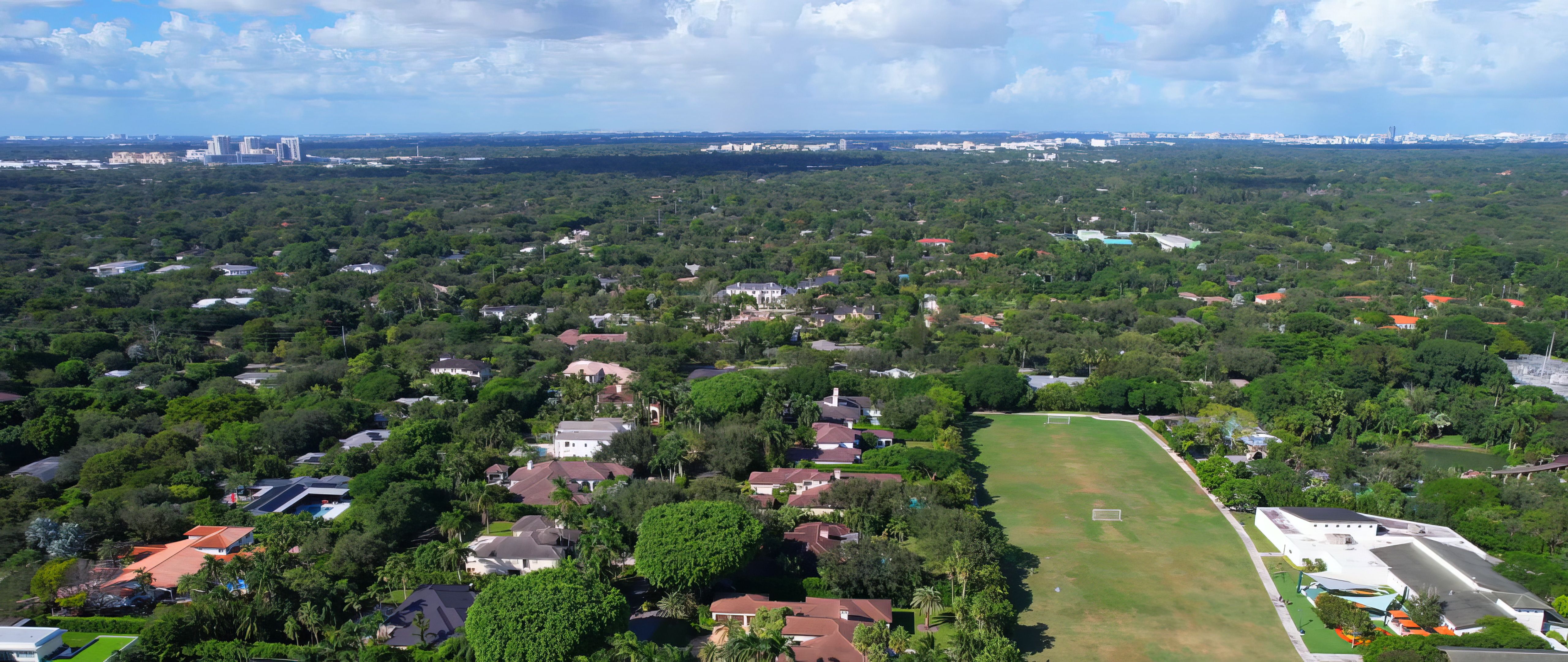-topaz-enhance-4x-3.jpeg)
The Sanctuary at Pinecrest, Miami, Florida - EVERYTHING You Want to Know
Find a comfy spot where you can unwind in peace, pour a cup of your favorite drink, whatev...
.png)
The Ultimate Guide to Miami-Dade's Top 25 Gated Communities for Single-Family Homes
Discover Miami's top gated communities in this essential guide for luxury home buyers...


Miami's BEST Restaurants in EVERY Neighborhood
Check out the absolute BEST restaurants in every neighborhood of Miami, including the best...
Selling Your Home?
Who are we?
We are the ALL IN Miami Group out of Miami.
We are Colombian, Filipino, Cuban, German, Japanese, French, Indian, Syrian, and American.
We are Christian, Hindu, and Jewish.
We are many, but we are one.
We sell luxury homes in Miami, Florida.
Although some of our clients are celebrities, athletes, and people you read about online, we also help young adults find their first place to rent when they are ready to live on their own.
First-time buyers?
All the time!
No matter what your situation or price range is, we feel truly blessed and honored to play such a big part in your life.