



What Nobody Tells You About Living in Tahiti Beach

Amit Bhuta
I use non-traditional marketing to inspire the most motivated buyers to pay the max for Miami luxury homes...
I use non-traditional marketing to inspire the most motivated buyers to pay the max for Miami luxury homes...
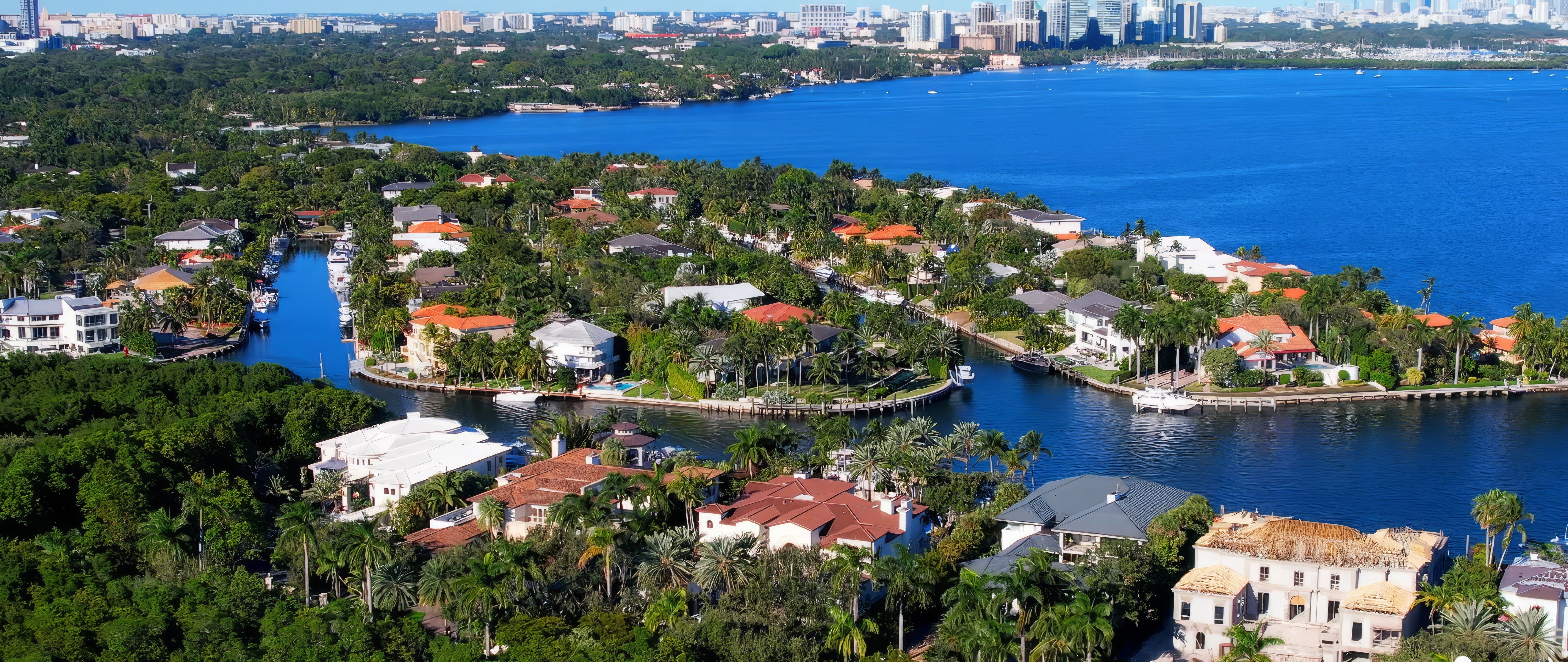
There's no neighborhood more fitting on a glossy brochure than Tahiti Beach.
It's gorgeous, tucked inside Cocoplum, guarded like a vault, and every single one of its homes looks like it was built for the summer — and they probably all are.
Add the private beach, the tennis courts, the 20-minute drive to basically everywhere that matters in Miami on top, and you won't be surprised to hear that someone who happens to own an airline lives in Tahiti Beach.
So, what's the tax on all that tropical perfection? Let's find out once and for all.
Here are six things nobody tells you about living in Tahiti Beach.
 (23).png?w=1140)
1) Two Gates. Two Guards. One Very Thorough Process.
Tahiti Beach believes that one dramatic entrance is too casual, so it demanded two.
The first checkpoint begins at Islands of Cocoplum, where visitors, deliveries, contractors, and anyone carrying an unexpectedly large floral arrangement must explain where they are going.
Tahiti Beach then adds another controlled entrance before the estates come into view, creating the residential version of airport security without the shoe removal, cutting down random traffic, and giving the enclave a level of separation that even many gated communities cannot match.
It also means spontaneous arrivals work better in movies than they do in Tahiti Beach.
Guest names may need to be submitted, service crews must reach the correct gate, and delivery drivers should not assume that “big house near the water” is a usable direction.
Large gatherings require planning because caterers, musicians, valet teams, florists, and relatives who never read instructions all go through the same carefully managed system.
The private roads create a peaceful setting once everyone is inside, but they also turn ordinary household logistics into something requiring a contact list.
Emergency services and city officials still retain authorized access, so Tahiti Beach is protected without becoming its own tropical republic.
The process may seem excessive until the front door closes and the streets return to being quiet, empty, and wonderfully uninterested in outside traffic.
Tahiti Beach trades effortless entry for serious privacy, and the gatehouse will not apologize for asking who sent the balloon arch.
 (24).png?w=1140)
2) Membership Has Its Privileges (Boat Slip Sold Separately)
Tahiti Beach comes with enough shared amenities to make leaving home for recreation seem unnecessary.
Residents can use the Islands of Cocoplum club facilities, including the pool, gym, courts, playground, sports areas, clubhouse, and community programming.
The private beach adds the tropical flourish promised by the neighborhood’s name, although nobody should expect every backyard to open directly onto its own personal patch of sand.
Access works through association membership, resident identification, guest rules, and fees rather than a cheerful wave from someone who recognizes the car.
The system keeps the facilities from becoming public attractions and gives the wider Cocoplum community a private recreational center beyond individual estates.
The yacht club is another option for boat owners, but marina space is not bundled into the property like a complimentary welcome basket.
Slips are purchased separately, availability matters, and vessel size determines whether the marina arrangement works beyond the brochure.
That can surprise anyone who hears “private beach community” and assumes a yacht parking spot is waiting beside the tennis courts.
Association privileges also come with obligations, including dues, shared rules, and the understanding that common spaces do not maintain themselves.
The package works best when the pool, beach, courts, social events, and club facilities will become part of weekly life rather than amenities admired twice and forgotten.
Tahiti Beach provides the resort atmosphere, while the association provides the forms reminding everyone that paradise has operating expenses.
 (25).png?w=1140)
3) Nearby, Technically. Walkable, Never.
Tahiti Beach sits close to Coral Gables, Coconut Grove, schools, restaurants, shopping, and services, as a private island is close to shore.
The distance may look reasonable on a map, but every ordinary trip begins with the road out of Tahiti Beach, the larger Cocoplum gate, and a car that has already accepted its role.
There is no corner café, pharmacy, grocery store, or casual lunch spot waiting between the estates.
The community provides recreation, but it does not provide toothpaste at 9:30 p.m.
School runs, office commutes, dinner reservations, medical appointments, and grocery trips all require leaving the enclave rather than walking around the block.
Here, commercial activity, public parking, and shortcut traffic remain outside the residential setting, which also means forgotten items can become full expeditions, especially after someone has already made it home, removed their shoes, and emotionally ended the day.
Households with drivers, multiple vehicles, or carefully planned routines will find the arrangement easier than anyone hoping to complete errands on foot.
Cycling beyond the gates may be possible for confident riders, but Tahiti Beach itself does not connect to a useful walkable village where daily essentials line up conveniently.
“Close to everything” therefore describes driving access, not the freedom to wander out for coffee with only a wallet and unreasonable optimism.
Tahiti Beach offers excellent seclusion, but the price of that seclusion is knowing that every craving, appointment, and missing ingredient has wheels attached.
 (26).png?w=1140)
4) Scarcity Meets Bureaucracy
Only 27 estates occupy Tahiti Beach, so waiting for the perfect home can require patience, luck, and a real estate alert set to an unhealthy level of sensitivity.
Inventory is limited by design, and the homes differ enough that a listing cannot serve as a reliable preview of the next.
Some properties offer older architecture and established landscaping, while others have undergone major renovations or complete reinvention.
The small number of homes makes every renovation more visible because construction noise has fewer places to hide.
Buying the estate, however, does not include unlimited permission to rebuild it according to whatever appeared on a designer’s mood board last Tuesday.
Exterior changes, landscaping work, paint choices, additions, and major renovations may require association approval before Coral Gables begins its own review.
The city’s architectural process adds plans, context, tree considerations, shoreline concerns, and other requirements that can turn “We want larger windows” into a season-long administrative storyline.
Construction hours and community rules also limit when crews can work, which protects the neighborhood while extending the time needed to recognize the same contractor’s truck.
These controls help preserve the appearance, landscaping, and property values of a highly exclusive enclave.
They can also frustrate anyone accustomed to treating ownership as a constitutional right to install whatever fits through the gate.
Tahiti Beach makes homes scarce and permission selective, so successful remodeling requires a strong design, patient professionals, and several folders that should never be lost.
 (27).png?w=1140)
5) The Deed Decides Who Gets the Dock
Water surrounds the Tahiti Beach lifestyle, but the deed determines how much of that water is associated with the property experience.
A bayfront estate may offer open views, direct frontage, and permitted marine improvements that an interior or differently positioned home does not share.
Community beach access does not create private dock rights, and yacht club membership does not attach a marina slip to every address.
Those benefits come from separate legal and physical arrangements, which is why the phrase “water access” deserves follow-up questions rather than immediate celebration.
A private dock must be reviewed for permits, dimensions, condition, depth, turning room, and compatibility with the intended vessel.
The boat in the listing photographs may fit beautifully, but the buyer’s larger boat may prove otherwise.
Open-bay frontage can provide broader views and faster access to Biscayne Bay, while protected locations may offer different wind, wake, and privacy conditions.
Orientation also affects sunlight, sunset exposure, neighboring sightlines, and whether outdoor areas face open water or another property.
Marine rights can be highly specific, so assumptions based on the neighborhood name are especially expensive.
The most valuable waterfront feature is not the promise made in the marketing copy but the one confirmed by surveys, permits, title records, and a marine inspection.
Tahiti Beach may provide the water everywhere, but only the paperwork explains who gets to park a boat beside it.
 (28).png?w=1140)
6) Beautiful Views, Terrifying Flood Insurance
Biscayne Bay provides the view, while the insurance company provides the character development.
Tahiti Beach’s low coastal setting means flooding, storm surge, wind, drainage, and shallow groundwater belong in the ownership conversation from the beginning.
A clear day can make the entire enclave look protected by wealth, landscaping, and excellent pool maintenance, but weather does not check property values.
Flood-zone information, elevation certificates, finished-floor heights, drainage history, and mechanical-equipment placement matter more than any sunset shot.
Standard homeowners coverage does not automatically include flood protection, so separate insurance may be necessary even if the house has never had a memorable water incident.
Premiums can depend on the property’s elevation, construction, flood classification, coverage choices, and available documentation.
Waterfront estates also require attention to seawalls, shoreline structures, salt exposure, wind protection, and the condition of anything standing between the lawn and Biscayne Bay.
Mangroves add another responsibility because protected vegetation cannot be trimmed, removed, or redesigned with the same freedom as an overgrown hedge.
Newer or heavily improved homes may include elevated living spaces and protected systems, but age alone does not reveal how thoroughly a property has been prepared.
The view remains one of Tahiti Beach’s greatest rewards, although ownership becomes far less romantic when the storm shutters, seawall report, and renewal notice come as a package.
Tahiti Beach makes coastal beauty look effortless, but the paperwork knows exactly how much effort is hiding underneath.
WHO GETS THE MOST OUT OF LIVING IN TAHITI BEACH?
Those who want home to be their private retreat
Tahiti Beach begins where most neighborhoods would have already finished making an entrance.
The double-gated setup, private roads, oversized estates, and quiet shoreline create a setting that keeps everyday Miami noise at a carefully managed distance.
Here, homes are the destination, especially when the property already includes outdoor space, water views, a pool, and enough rooms to prevent everyone from occupying the same space.
The larger Cocoplum amenities provide recreation without the neighborhood itself becoming busy or public.
A private beach, courts, gym, clubhouse, and community events make it possible to fill a weekend without joining traffic for sport.
Tahiti Beach also works beautifully when boating is part of real life and not something admired from behind restaurant glass.
The right deed, dock arrangement, or marina slip can make Biscayne Bay part of the weekly routine, although the paperwork is inevitable.
Privacy has practical value because random drivers, shortcut traffic, and casual drop-ins rarely wander into the scenery.
The distance from stores and restaurants becomes easier to forgive when the house is somewhere people are happy to return to and reluctant to leave.
Tahiti Beach in its best version is for anyone who values space, controlled access, water, and quiet more than walkability or spontaneous errands.
This is where “Let us just stay home” is the superior option.
WHO MAY WANT TO KEEP LOOKING?
Anyone who needs freedom without permission slips
Tahiti Beach can make a simple life unexpectedly administrative.
Guests must go through controlled entrances, marina access may require a separate purchase, and exterior changes may pass through both association and city review before anyone touches a wall.
That structure protects the neighborhood, but it does not suit someone who hears “homeownership” and imagines immediate permission to redesign the entire property by Monday.
The enclave also offers no useful commercial strip where coffee, groceries, dinner, or forgotten toothpaste can be handled on foot.
Nearly every outside need begins with a car, two gates, and the acceptance that leaving home is now an organized activity.
A tiny supply of only 27 estates can make the search frustrating when the available house has the wrong layout, orientation, dock rights, or renovation history.
Waterfront ownership adds another demanding layer through flood insurance, seawalls, storm planning, salt exposure, and mangrove rules.
The maintenance list may remain invisible during sunset, but it returns promptly during inspection season.
Tahiti Beach may also be too quiet for anyone who wants cafés, sidewalks, shops, and neighborhood activity within casual walking distance.
Even the amenities come with rules, identification, guest procedures, and association costs rather than unlimited resort access powered by confidence alone.
Anyone who wants easy errands, flexible remodeling, abundant inventory, and fewer binders between an idea and its execution may find the beauty impressive but the arrangement exhausting.
AN HONEST TAKEAWAY
What living in Tahiti Beach really comes down to
Tahiti Beach is not designed to make ordinary life effortless.
It is built to make homes private, spacious, controlled, and difficult for the outside world to interrupt.
That design explains the double-gate security, the long drive to errands, the shared amenities, the strict approvals, and the tiny number of properties.
The enclave offers a resort-like atmosphere, but one without room service and with several committees.
Its private beach and Cocoplum facilities create a strong recreation package, while the estates provide enough space for life to remain mostly behind the gates.
The waterfront can add open views, direct boating access, and unforgettable sunsets, but only when the deed and marine records confirm what the property truly controls.
The same bay that makes Tahiti Beach beautiful also brings flood insurance, storm preparation, shoreline maintenance, and environmental rules into the household routine.
Scarcity protects the neighborhood’s exclusivity while making every purchase more dependent on timing and compromise.
Association oversight preserves order while making renovation less compatible with sudden inspiration and a contractor who says he can start tomorrow.
Tahiti Beach asks for planning, patience, money, and a strong preference for privacy, then returns peace, space, water, and very few uninvited doorbells.
It's up to you whether a highly managed version of paradise sounds comforting or whether paradise should require fewer forms.
%20(1)-topaz-enhance-4x.jpeg)
Tahiti Beach, Miami, Florida - EVERYTHING You Want to Know
Grab your favorite drink, indulge in some fine chocolates, and join us on a journey throug...
.png)
The Ultimate Guide to Miami-Dade's Top 25 Gated Communities for Single-Family Homes
Discover Miami's top gated communities in this essential guide for luxury home buyers...


Miami's BEST Restaurants in EVERY Neighborhood
Check out the absolute BEST restaurants in every neighborhood of Miami, including the best...
Selling Your Home?
Who are we?
We are the ALL IN Miami Group out of Miami.
We are Colombian, Filipino, Cuban, German, Japanese, French, Indian, Syrian, and American.
We are Christian, Hindu, and Jewish.
We are many, but we are one.
We sell luxury homes in Miami, Florida.
Although some of our clients are celebrities, athletes, and people you read about online, we also help young adults find their first place to rent when they are ready to live on their own.
First-time buyers?
All the time!
No matter what your situation or price range is, we feel truly blessed and honored to play such a big part in your life.