



What Nobody Tells You About Living in Horse Country

Amit Bhuta
I use non-traditional marketing to inspire the most motivated buyers to pay the max for Miami luxury homes...
I use non-traditional marketing to inspire the most motivated buyers to pay the max for Miami luxury homes...
If you catch yourself imagining opening a gate at golden hour as if you're starring in a very expensive feed-store commercial after a trip to Horse Country, relax.
Even the least outdoorsy person experiences the magic of this charming neighborhood.
Offering space, stables, horses, trees, nurseries, and a hidden gem vibe that feels wildly unusual (no pun intended) for a county where many people consider two parking spaces a victory, Horse Country is a fantasy-turned-reality of land, privacy, and a slower home life amid Miami-Dade’s fast-paced orbit.
But the fantasy becomes more honest once daily life begins, and you discover that acreage needs attention, horses need real care, zoning matters, storms require planning, and the nearby city doesn't just disappear because your street looks more rural than the rest.
Here are six things nobody tells you about living in Horse Country.
 (50).png?w=1140)
1) The Acreage Looks Peaceful, but Expect the Fence to Ask For Money
Acreage has a funny way of looking calm from the road and immediately becoming a part-time job as soon as you own it.
In Horse Country, the land is one of the biggest selling points because it gives the area its open, rare, almost impossible-for-Miami character.
You get more breathing room, more privacy, more distance between homes, and enough outdoor space for horses, gardens, equipment, trailers, or whatever dream required you to look at properties with gates.
But land does not sit there politely just because it looks gorgeous.
Fences need repairs.
Gates decides to stop cooperating at the worst moment.
Grass grows with the confidence of someone who has no bills.
Trees drop branches like they are decluttering.
Driveways crack, drainage matters, irrigation needs attention, and every outdoor feature seems to require a different specialist.
This is where Horse Country differs from a regular suburban setup.
You are not just maintaining a house.
You are managing a property with moving parts, outdoor systems, and enough square footage to turn one small problem into a tour.
The space can be wonderful if you enjoy privacy and are prepared for the responsibility, yet it can become frustrating if you imagined acreage as a peaceful background rather than a living, expensive, slightly bossy character in the story.
 (51).png?w=1140)
2) The Horses Are Not There For Ambience
The name is not being poetic.
Horse Country has a real equestrian identity, and the horses are not standing around to improve the neighborhood’s branding.
They affect the rhythm, roads, properties, schedules, and the area's expectations.
People who love horses can find properties and nearby facilities connected to riding, boarding, training, barns, paddocks, trailers, and the daily routines that come with animal-centered living.
Plus, it gives the neighborhood a personality that is hard to fake, since it's different from a regular Miami-Dade subdivision with a decorative fountain and a dramatic entrance sign.
But horses also bring practical realities.
Feed has to be stored.
Stalls have to be cleaned.
Veterinary care matters.
Farriers show up on schedules that do not care about your brunch plans.
Flies appear like unpaid interns.
Trailers need room, animals need safety, and the property setup has to support real use, not just a cute rustic daydream.
Even if you do not own horses yourself, you are living in an area where that culture shapes the streets and the atmosphere.
That can be charming, grounding, and wonderfully different.
It can also surprise anyone who thought equestrian living meant distant neighing, golden-hour photos, and nothing more demanding than buying boots.
 (52).png?w=1140)
3) The Street Says Country, But Kendall Is Still Waiting At The Light
Horse Country can give you a road with trees, fences, barns, and quiet stretches that make Miami-Dade seem briefly confused about its own personality.
Then you drive a few minutes, and Kendall reminds you it never left the building.
This contrast lets you live somewhere with a rural-flavored setting and still be close to shopping centers, schools, restaurants, errands, traffic lights, delivery routes, and the familiar suburban machinery of West Miami-Dade.
Many people find it appealing because you have more space and a different residential character without disconnecting from practical daily life.
The grocery store is not a two-hour expedition.
The pharmacy exists.
Dinner options exist.
Life does not require you to become a pioneer with better Wi-Fi.
But the nearby convenience also means the peaceful setting has limits.
Traffic can still affect your day.
Busy roads are not imaginary.
School runs, service trucks, horse trailers, landscaping crews, and regular suburban congestion can all share the same general universe.
The neighborhood may look country, but the surrounding area is still very much Miami-Dade, with all the honking, merging, and “why is everyone here right now” energy that comes with it.
Horse Country's charm is not that you escape the county completely, but that you get a pocket with its own texture while Kendall waits nearby with a red light and a plaza full of errands.
 (53).png?w=1140)
4) Zoning Is The Nonchalant Bouncer At The Barn Door
In many neighborhoods, zoning sounds like something people only mention when they want a meeting to end abruptly.
In Horse Country, zoning is partly why the area still looks and works the way it does.
It protects the character that makes the neighborhood valuable in the first place.
The large lots, equestrian use, barns, stables, nurseries, and rural residential setting do not survive by accident in a county that keeps finding new ways to build, subdivide, and squeeze more activity onto land.
That is why rules matter, especially in Horse Country.
They are not just technical paperwork hiding in a government portal.
They shape what can be built, operated, changed, and how much of the neighborhood’s identity remains intact over time.
Without that invisible boundary, Horse Country could lose the very qualities people moved there to enjoy.
A property may look perfect, but the allowed uses, restrictions, setbacks, animal rules, structures, agricultural elements, and plans around the area can change how practical that property is for your life.
You do not want to fall in love with a barn setup and then discover the paperwork has been clearing its throat in the corner.
Here, zoning waits calmly at the entrance, checking everyone’s plans before they get too confident, and that control is part of the neighborhood’s survival strategy.
 (54).png?w=1140)
5) Storm Prep Gets Trickier When Your Evacuation Plan Includes Hooves
Storm preparation is already a serious South Florida tradition, but Horse Country adds extra chapters to the manual.
A regular homeowner may think about shutters, insurance, water, batteries, trees, roof condition, and whether the generator has decided to retire.
An equestrian property has to think bigger.
Horses need plans.
Barns need plans.
Trailers need access.
Feed needs storage.
Fences need checking.
Drainage needs attention.
Loose objects need to stop dreaming of becoming airborne.
Large trees, open land, outbuildings, and animals all make storm season more complicated than a quick grocery run and a case of bottled water.
That means preparation has to be more organized because the property has more responsibilities than a standard house on a small lot.
You may need to know where animals can be safely sheltered, how the barn handles wind and water, whether fencing is secure, how the driveway drains, and what happens if power goes out longer than expected.
The weather does not care that your stable area looked adorable in listing photos.
It cares about physics, wind, rain, and every outdoor item that was not properly tied down.
Horse Country’s beauty comes from land, trees, animals, and open space, and they're also the ones that need attention when the forecasts start to sound bad.
 (55).png?w=1140)
6) This Is Not A Pinterest Ranch Board With Better Weather
The rustic look is very easy to love.
A long fence line, a barn, a gravel drive, a shady tree, and a horse in the distance can make a person start romanticizing chores they have never done.
Horse Country has that effect because it gives you land with personality.
It gives you a residential setting that does not look copied and pasted from the same suburban template.
It gives you a sense of place that feels rooted, practical, and specific.
That is why people are drawn to it.
The homes can have character, the properties can support more interesting lifestyles, and the area feels connected to an older, more agricultural version of Miami-Dade that has not completely disappeared.
But the lifestyle will only work when the romance is matched by readiness.
This is not just a backdrop for warm photos, linen curtains, and one decorative saddle no one is allowed to touch.
It is land, upkeep, animals, equipment, zoning awareness, storm planning, and a pace of life that asks for participation.
The wrong person may discover that they wanted the look of country living, not the Saturday morning reality of it.
Horse Country rewards people who understand that beauty and responsibility arrive together.
The magic is real, but it wears work gloves.
WHO GETS THE MOST OUT OF LIVING IN HORSE COUNTRY?
Those who hear hoofbeats and do not mistake them for a design feature
Horse Country's equestrian character is designed to be useful, familiar, and genuinely welcoming.
The neighborhood is not just a prettier version of suburban Miami with a few horses placed around for atmosphere.
It is a pocket where land still has a purpose.
Here, fences mark more than property lines.
Barns are not there to complete the mood board.
Trailers, feed deliveries, shade trees, riding spaces, nurseries, and wide lots all help explain why Horse Country has managed to keep such a distinct personality inside busy Miami-Dade.
Horse Country gives the area a slower visual rhythm without becoming disconnected from everyday needs.
Kendall is still nearby.
Errands still happen.
Traffic still exists because Miami-Dade will never allow anyone to become too peaceful.
But once the car turns back into Horse Country, the scenery changes.
The roads feel less copied and pasted.
The properties carry more individuality.
The land looks used, not merely decorated.
That is where the neighborhood becomes special.
Horse Country gives the most back when someone values the full setting, including the parts that require effort and extra adulting.
That charm comes from the same things that create responsibility.
The space, animals, fencing, trees, and outdoor structures are not side characters, but the neighborhood’s entire plot.
WHO MAY WANT TO KEEP LOOKING?
Buyers who want a ranch postcard without the backstage crew
Horse Country can look deceptively easy from the passenger seat.
A shaded road, a paddock, a barn roof, and a quiet stretch of land can make the whole place look like it runs on sunshine and good intentions.
Then the practical details start tapping the glass.
Acreage needs regular care.
Fence lines do not repair themselves out of neighborhood pride.
Drainage matters.
Trees need attention.
Animals bring sounds, smells, schedules, supplies, and realities that a listing description may mention only with suspicious elegance.
Even the roads have their own logic.
Horse Country is not designed like a compact urban pocket where every errand sits neatly around the corner with a cute awning and outdoor seating.
It is roomier, more spread out, and shaped by the needs of properties that may include horses, trailers, equipment, gates, and service access.
And it can become tiring when someone only wants the visual softness of country life without the operating manual.
Horse Country may also feel too specific for anyone who prefers a more predictable suburban pattern.
Some neighborhoods are built to make life feel uniform.
Horse Country is built around preservation, land use, animal culture, and a rare Miami-Dade identity that does not flatten itself for convenience.
That distinctiveness is the reason the area will not suit every version of comfort.
AN HONEST TAKEAWAY
What living in Horse Country really comes down to
Horse Country is charming because it still has evidence of use, work, land, animals, and stubborn local character.
Miami-Dade changes fast, builds fast, widens roads, fills corners, and finds new ways to make every spare piece of land seem like it has a meeting with a developer at noon.
Horse Country pushes back against that in its own quiet, dusty, fence-lined way.
It keeps a different rhythm alive.
It gives Miami-Dade acreage with memory.
It gives the west side a neighborhood where horses are not a novelty, barns still make sense, and a property can have more purpose than curb appeal.
But the price of that character is participation.
Horse Country does not hand over its beauty as a finished product.
It asks for maintenance, planning, patience, and respect for the systems that keep the neighborhood what it is.
The land has to be cared for.
The animals have to be considered.
The rules have to be understood.
The storms have to be planned around.
The slower setting has to be chosen on purpose, not treated as a cute pause between errands.
Horse Country can be one of Miami-Dade’s most memorable places to live when its responsibilities make sense.
It can also feel overwhelming when someone wants the scenery, but not the life attached to it.
The horses, fences, barns, and acreage are not accessories.
They are the reason the place matters.
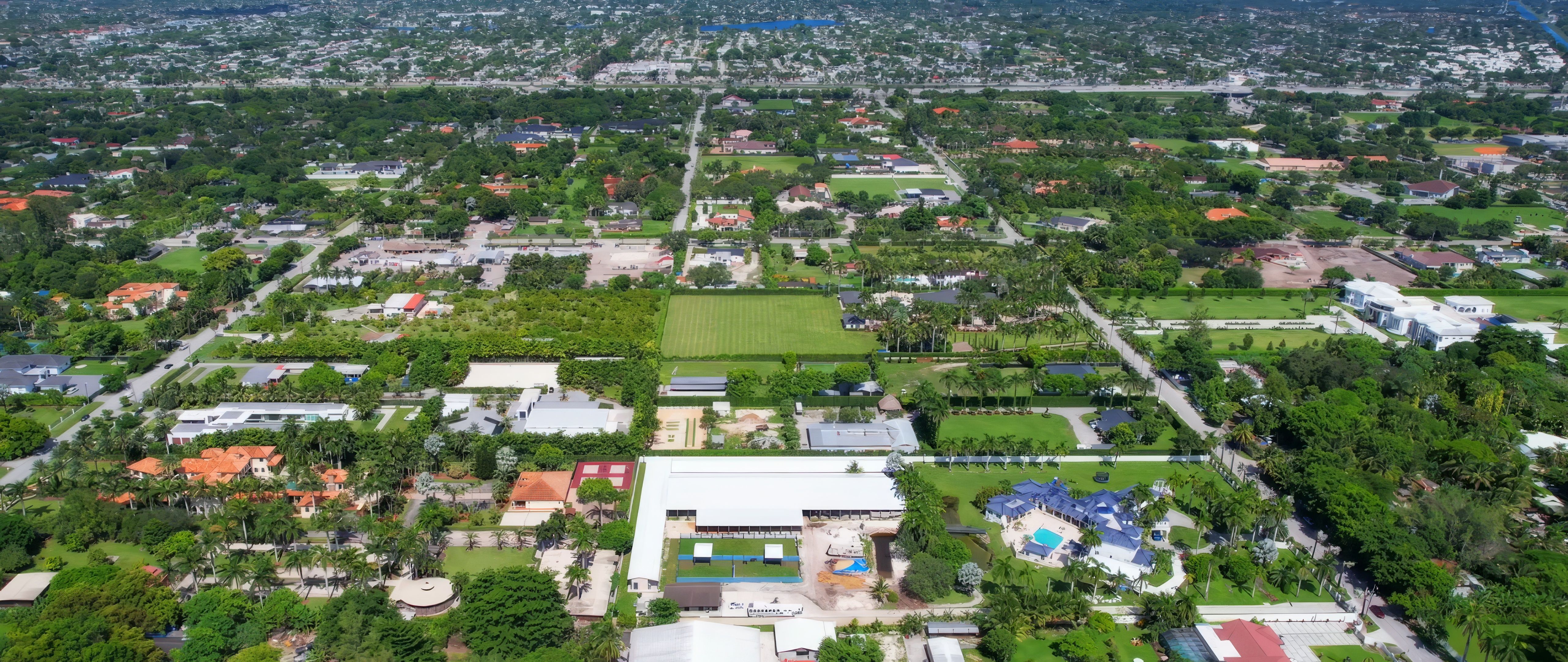
Horse Country, Miami, Florida - EVERYTHING You Want to Know
Grab a plate of freshly baked pastelitos (to get you in the right mood), sink into your fa...
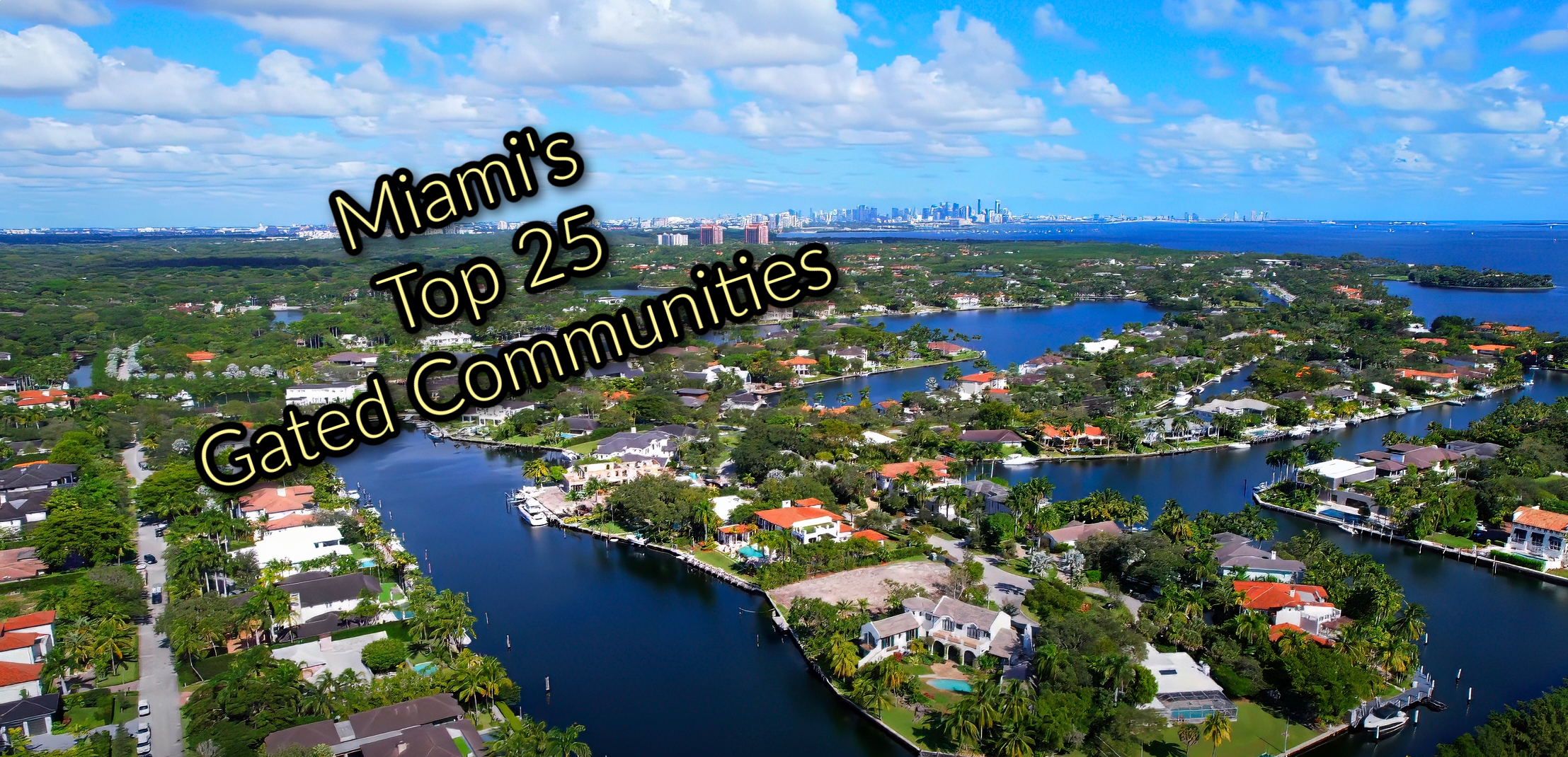.png)
The Ultimate Guide to Miami-Dade's Top 25 Gated Communities for Single-Family Homes
Discover Miami's top gated communities in this essential guide for luxury home buyers...

Miami's BEST Restaurants in EVERY Neighborhood
Check out the absolute BEST restaurants in every neighborhood of Miami, including the best...
Selling Your Home?
Who are we?
We are the ALL IN Miami Group out of Miami.
We are Colombian, Filipino, Cuban, German, Japanese, French, Indian, Syrian, and American.
We are Christian, Hindu, and Jewish.
We are many, but we are one.
We sell luxury homes in Miami, Florida.
Although some of our clients are celebrities, athletes, and people you read about online, we also help young adults find their first place to rent when they are ready to live on their own.
First-time buyers?
All the time!
No matter what your situation or price range is, we feel truly blessed and honored to play such a big part in your life.