



What Nobody Tells You About Living in Coconut Grove

Amit Bhuta
I use non-traditional marketing to inspire the most motivated buyers to pay the max for Miami luxury homes...
I use non-traditional marketing to inspire the most motivated buyers to pay the max for Miami luxury homes...
The Grove is a fantasy everybody has, even when they don't know it yet.
Walking under old trees.
Owning a house with a little history, privacy, and enough driveway space to avoid a daily argument with the curb.
Having parks, marinas, schools, cafés, bay breezes, and weekends that can involve both a stroller and a wine list.
Plus, it's a neighborhood that's green without feeling sleepy, social without feeling like a chaotic nightclub, historic without turning into a museum, and fancy without trying too hard.
It's regular life, upgraded by sunshine, a luxurious atmosphere, and the bay.
But this Coconut Grove fairytale has a back office, and that back office shows you that the streets can be tight, the trees are gorgeous until they start dropping reminders, and the waterfront changes the pricing by a mile.
And that even that charming old-Miami feeling can get complicated once permits, renovations, insurance, and modern luxury money walk in together.
Here are seven things nobody tells you about living in Coconut Grove.
 (16).png?w=1140)
1) The Grove Looks Relaxed Until You Find Out About The Parking Situation
Coconut Grove has mastered the art of looking like nobody is in a hurry.
The streets bend around trees.
The sidewalks invite wandering.
The restaurants look close enough for a spontaneous dinner.
Then someone brings a car, and the whole fantasy starts checking its pockets for patience.
Parking in Coconut Grove is one of those realities people understand only after they have circled the same block enough times to develop a relationship with a stop sign.
The neighborhood’s older layout is part of its charm, but it's not designed for modern Miami’s full collection of SUVs, delivery trucks, rideshares, restaurant traffic, school pickups, construction crews, weekend visitors, and people who believe hazard lights are a legal necessity.
It makes you realize that the Grove is less effortless than it appears in photos.
A quick errand can depend on timing.
Dinner plans can include a parking strategy.
Visitors may need instructions that sound more like a treasure map.
Some homes have driveways and garages that make life much easier.
Some streets require more creativity.
Some corners feel peaceful until brunch hour arrives with lip gloss, toddlers, and someone parallel-parking with the patience of a hostage negotiator.
This is one of the funny contradictions of living in Coconut Grove.
The neighborhood feels slow, leafy, and old-Miami casual, but the daily logistics can get strangely competitive.
The whole place may look like it wants you to relax, but the curb may have other plans.
 (17).png?w=1140)
2) "Walkable" Depends on Which Shoes You're Planning to Wear
The word “walkable” does a clout for Coconut Grove.
Sometimes it means a lovely stroll under trees to dinner, coffee, the park, or the marina.
Sometimes it means the destination is technically close, but the sidewalk, heat, slope, traffic, shoes, and your willingness to arrive looking lightly steamed all get a vote.
The Grove is walkable, but it depends heavily on the exact pocket.
Living near the village core can make the neighborhood feel wonderfully convenient.
Restaurants, shops, cafés, parks, and errands may sit close enough that leaving the car at home feels like a small personal victory.
Other parts of Coconut Grove are quieter, more residential, more tucked into winding streets, and less simple to navigate on foot.
They may still be close to the action on a map, but a map has never had to walk back uphill in August carrying takeout.
This is where the Grove can trick people a little.
The broader neighborhood has a "walkable" reputation, but in reality, it varies street by street.
A home near CocoWalk, Main Highway, Commodore Plaza, or the waterfront parks can feel very different from a home deeper in a leafy residential pocket.
Neither version is wrong, but they deliver different versions of Grove life.
One gives more spontaneous access to restaurants and village energy.
The other may give more privacy, quiet, and residential breathing room.
Coconut Grove’s walkability is real, but it needs a more specific questioning.
Walkable to what?
From where?
At what time?
In which shoes?
And are we talking about a pleasant evening stroll or a noon walk that turns one block into a character-building exercise?
 (18).png?w=1140)
3) The Old Grove Is Still There, But It Has New Neighbors With Architects
Coconut Grove still has pieces of itself that have been collected over time rather than being manufactured in a clean sweep.
You can see it in the older homes, the historic sites, the Bahamian roots, the shaded lanes, the irregular lots, the weathered walls, the tucked-away cottages, and the streets that clearly did not ask a developer for permission to have personality.
That old Grove texture is one of the reasons people fall for the neighborhood.
It feels layered and lived-in, like the Miami before everything needed a launch party, a render package, and a name with no vowels.
But Coconut Grove is not sealed in amber.
The neighborhood has been changing quickly, and the new version does not always whisper.
Modern homes, luxury rebuilds, larger footprints, expensive renovations, and architectural statements now sit beside older structures and long-standing pockets of history.
Sometimes the contrast is beautiful.
Coconut Grove’s charm is not just about trees and restaurants.
It is also about memory, and the cultural layers that gave the neighborhood its identity long before it became a luxury market with excellent landscaping.
Living in the Grove means watching those layers interact in real time.
A street can hold an old house with a porch, a sleek new build with enormous glass, and a neighbor who remembers when the area had a completely different rhythm.
That mix can be fascinating, but it can also feel uneasy when the older character is treated as a decorative theme instead of a living history.
Coconut Grove is still Coconut Grove because the old pieces remain.
The question is how much room those pieces will keep getting as the new money keeps arriving with a measuring tape.
 (19).png?w=1140)
4) The Bay Is Nearby, and the Prices Heard That Too
The bay gives Coconut Grove a lot of its magic.
It is in the air, the light, the parks, the marinas, the sailing culture, the morning walks, and how the neighborhood can suddenly feel far away from the louder parts of Miami, even when downtown is not very far at all.
Biscayne Bay is not just scenery, but part of the Grove’s identity.
It shapes the lifestyle, the mood, the outdoor rhythm, and the reason so many people associate the neighborhood with boats, waterfront parks, and that old-Miami fantasy.
The catch is that proximity to the bay is never just emotional.
It is financial.
The closer Coconut Grove gets to the water, the more the market tends to remember every inch, every view angle, every marina nearby, every bay breeze, and every dinner guest who might say, “Wow, this is nice.”
That does not mean every home in the Grove is waterfront or even close enough to feel that waterfront in daily life.
Nonetheless, it means the bay has influence, pulls value, changes expectations, and gives certain properties a different kind of desirability.
It also adds practical considerations, from storm exposure and insurance conversations to traffic near waterfront parks and event days around popular public spaces.
The Grove sells the Bay lifestyle beautifully because the Bay lifestyle really is beautiful.
Walking near the water, visiting the marina, sitting under trees by the shoreline, or living within reach of that whole scene can make the neighborhood feel special in a way that is hard to fake.
But it is not a free accessory.
It is not a little bonus that wandered into the listing photos.
It is one of the reasons the math is mathing.
Coconut Grove may make waterfront living look relaxed, but the pricing requires paying very close attention.
 (20).png?w=1140)
5) The Trees Are Gorgeous Until They Start Making Their Presence Known
Coconut Grove without trees would be like Miami without humidity, gossip, or traffic.
The canopy is part of the neighborhood’s identity.
It softens the streets, cools the sidewalks, frames the older homes, shades the parks, and gives the Grove that lush, hidden quality people love before they even understand the real estate market.
The trees make the neighborhood feel alive.
They also come with behavior.
Roots do not care about your driveway plans.
Branches do not always respect your schedule.
Leaves, fruit, palms, storms, shade, moisture, and older infrastructure can all become part of the homeowner experience.
This is the practical side of the postcard.
A tree-lined street can be stunning, but it also means more maintenance, more debris after weather, more attention to roofs and gutters, more conversations about sidewalks, drainage, roots, pruning, and what exactly made that sound outside at 2:00 a.m.
The Grove’s greenery is not decoration.
It is a living system wrapped around an older neighborhood.
That is why it feels different from newer, cleaner, more controlled parts of Miami.
It is also why living in this city can require a little more patience with nature’s administrative style.
The shade is wonderful.
The atmosphere is beautiful.
The street character is hard to replace.
But all that beauty has weight, roots, moisture, and opinions.
Coconut Grove’s trees give the neighborhood much of its soul.
They also occasionally remind everyone that the soul may need trimming before hurricane season.
 (21).png?w=1140)
6) CocoWalk Is Fun Until Everyone Else Joins In On Your Plans
CocoWalk and the village core give Coconut Grove a public heartbeat.
They bring restaurants, shops, cafés, date nights, weekend plans, visitors, locals, dogs, strollers, tourists, and people who came for lunch but turned the entire afternoon into a neighborhood tour.
That energy keeps the Grove from feeling sleepy, and gives residents a place to meet people, wander, eat, browse, and pretend that walking around after coffee counts as a wellness routine.
The problem is that the village works best when it feels easy, and popular places have a rude habit of attracting other people.
Coconut Grove can get crowded in the exact places that make it fun.
The restaurants are full.
The sidewalks get busier.
The parking gets more theatrical.
The peaceful lunch plan becomes a stressful production.
A casual Saturday can start to feel like everyone in Miami received the same group text.
Yes, it signals success.
The Grove has restaurants people want to visit, parks people use, and streets people enjoy, which is exactly what a neighborhood center is supposed to do.
But living near that energy is different from visiting it when the timing is perfect.
The crowd becomes part of the rhythm.
So does the noise.
So does the traffic.
So does the person walking very slowly in front of you while studying a menu as if it contains medical results.
Coconut Grove’s village life is one of its biggest strengths.
It just works better when you understand that the same charm you enjoy is also being enjoyed by everyone else with a reservation, a stroller, a golden retriever, or a sudden craving for brunch.
 (22).png?w=1140)
7) Coconut Grove is Casual for a Neighborhood With Very Serious Money
Coconut Grove has a funny way of making wealth look unbothered.
It does not always present itself with the glassy intensity of Brickell or the showy waterfront drama of some other Miami luxury pockets.
The Grove can look chillax, shaded, barefoot-adjacent, and almost casual about the whole thing.
Then the listing price walks in and ruins the illusion.
This is one of the biggest disconnects in Coconut Grove.
The neighborhood feels low-key, but the market isn't at all.
Luxury condos, waterfront estates, modern new builds, renovated historic homes, and high-demand residential pockets have pushed the Grove into a very serious price category.
The trees may be old.
The vibe may be soft.
The money is fully current.
Yet people sometimes mistake Coconut Grove’s charm for approachability.
Sure, the neighborhood does not always look as aggressively expensive as it is.
A quiet street can hide a major price tag.
A modest-looking older house may sit on land that developers and wealthy buyers understand very well.
A casual café scene can exist a short walk from homes priced for people whose accountants probably have accountants.
Coconut Grove’s wealth does not always shout.
Sometimes it whispers behind hedges, hides behind old walls, or parks discreetly under a very mature tree.
That can make the neighborhood feel less flashy than other elite areas, but less flashy does not mean less expensive.
It only means the expensive parts may arrive wearing board shorts and pretending this is all very normal.
The Grove’s casual mood is real.
So is the market underneath it.
Living in this community means understanding that the neighborhood can feel easygoing, as the numbers are doing absolutely no such thing.
WHO GETS THE MOST OUT OF LIVING IN COCONUT GROVE?
Those who want Miami with tree cover, history, and a few errands that require strategy
Coconut Grove makes the most sense when you accept the contradictions as part of the appeal.
The neighborhood is beautiful, but it is not forced into sameness.
It is walkable in some pockets, residential in others, busy around the village, quiet behind certain walls, and occasionally confusing enough to make your GPS pause like it needs a minute.
That mix is not a flaw hiding behind the trees.
It is the whole recipe of the Grove.
The right residents allow the neighborhood to be a little irregular.
The streets are not all wide.
The homes are not all new.
The sidewalks do not all perform equally.
The old charm does not always arrive with modern convenience holding its hand.
But Coconut Grove gives back in ways that newer, cleaner, more predictable neighborhoods often cannot.
It has shade that changes the mood of a walk.
It has parks that people use because they are part of the neighborhood, not just green squares placed on a planning map.
It has restaurants close enough to turn dinner into a normal plan instead of a whole expedition.
It has history beneath the surface, even when the new nearby construction pretends not to notice.
It has the bay nearby, which gives the neighborhood a different emotional temperature from inland Miami.
The Grove works beautifully for households that want a neighborhood with a pulse.
Not a nightclub pulse or a Brickell elevator pulse but a Sunday-morning-under-trees pulse, with occasional Saturday-evening-parking-chaos as a reminder that peace is not always included in the reservation.
Coconut Grove rewards people who enjoy being near activity without needing every block to behave the same way.
It rewards people who understand that an older neighborhood has quirks because it has lived a life before the current market got involved.
It rewards people who can appreciate a crooked street, a hidden house, a giant tree, a busy café corner, and a marina full of boats without demanding that all of it function like a mall directory.
The Grove is generous when buyers meet it on its own terms.
It offers beauty, access, history, community, food, parks, water, and a sense of place that many Miami neighborhoods are still trying to order online.
The tradeoff is that Coconut Grove will not always make daily life frictionless.
It will make it prettier.
It may make it more interesting.
It may also make you leave ten minutes earlier because a tree, a crowd, a curb, or a dinner rush has decided to participate.
WHO MAY WANT TO KEEP LOOKING?
Anyone who needs Coconut Grove to be charming and cooperative at the same time
Coconut Grove may disappoint anyone expecting the neighborhood to be a carbon copy of the Coconut Grove blogs they see online.
The photos are lovely.
The tree canopy looks magical.
The sidewalks look inviting.
The cafés look close together.
The bay looks calm.
The whole thing can appear as if someone took old Miami, gave it better lighting, and told it to smile gently for the listing brochure.
Then, daily life starts adding notes in the margin.
Parking can be annoying.
Certain residential pockets are less walkable than the Grove's reputation suggests.
The village core can get crowded.
The old homes may come with old-home projects.
The trees can be glorious until they introduce themselves to a roof, driveway, power line, gutter, or insurance conversation.
Coconut Grove is not difficult because it lacks appeal.
It is difficult because the appeal is so strong that people sometimes forget to ask what comes with all that.
The neighborhood can't be like a brand-new planned district where every street was drawn with modern expectations in mind.
It has older bones, deep roots, tight spots, uneven rhythms, and a strong sense of itself.
That is exactly why some people love it, and others lose patience with it.
Coconut Grove may not be the best match for someone who wants a perfectly predictable neighborhood experience.
It is not always quiet.
It is not always easy to park.
It is not always simple to price.
It is not always casual once the numbers arrive.
It is not always the dreamy walkable village people picture after brunch when everyone is full, happy, and temporarily forgiving.
The Grove can also be a hard fit for anyone who wants old charm without old-neighborhood responsibility.
The charm has structure behind it.
The trees need care.
The older homes need attention.
The historic character needs respect.
The newer luxury presence changes the pressure.
The bay adds value and complications at the same time, because water in Miami has never been a passive design feature.
Coconut Grove is not trying to be everyone’s easiest answer.
It's for people who want a neighborhood with personality and can handle the fact that personality sometimes comes with parking drama, renovation math, weekend crowds, and one very dramatic branch after a storm.
AN HONEST TAKEAWAY
What living in Coconut Grove really comes down to
Coconut Grove is not special because it is perfect, but because it still feels like somewhere.
In Miami, that is not a small achievement.
So many neighborhoods can offer restaurants, new buildings, pretty finishes, and a convincing sales pitch.
The Grove offers something harder to manufacture.
It has age.
It has shade.
It has the bay nearby.
It has historic memory.
It has streets that bend.
It has homes that do not all speak in the same accent.
It has parks, marinas, cafés, schools, cottages, mansions, new construction, old walls, and people trying to run a quick errand who discover that “quick” is optimistic.
That is the real Coconut Grove.
It is beautiful, but it is not soft all the way through.
It is relaxed in mood, but not in price.
It is walkable in parts, but not equally everywhere.
It is historic, but not frozen.
It is green, but greenery brings maintenance.
It is social, but popularity brings crowds.
It is close to the bay, but the bay has a way of showing up in the numbers.
Living in Coconut Grove means accepting that the dream and the inconvenience often arrive together.
The same streets that make the neighborhood memorable can make parking annoying.
The same trees that make it magical can make homeownership more involved.
The same village energy that makes weekends fun can make weekends crowded.
The same casual charm that makes the Grove feel easy hides a deeply serious market.
None of that cancels the appeal, but it does make it more honest.
Coconut Grove is for people who want a neighborhood with texture, not a smooth display model.
It is for people who understand that charm is not always efficient.
It is for people who can love a place even when it makes them circle the block, check the roof after a storm, or explain to a visitor that the parking situation is “part of the experience,” which is what people say when they are trying not to complain too early.
At its best, Coconut Grove gives Miami a version of itself that feels older, greener, warmer, and more human.
At its most frustrating, it reminds you that beautiful places still have chores.
The Grove gives you a lot to love.
It just expects you to pay attention while loving it.
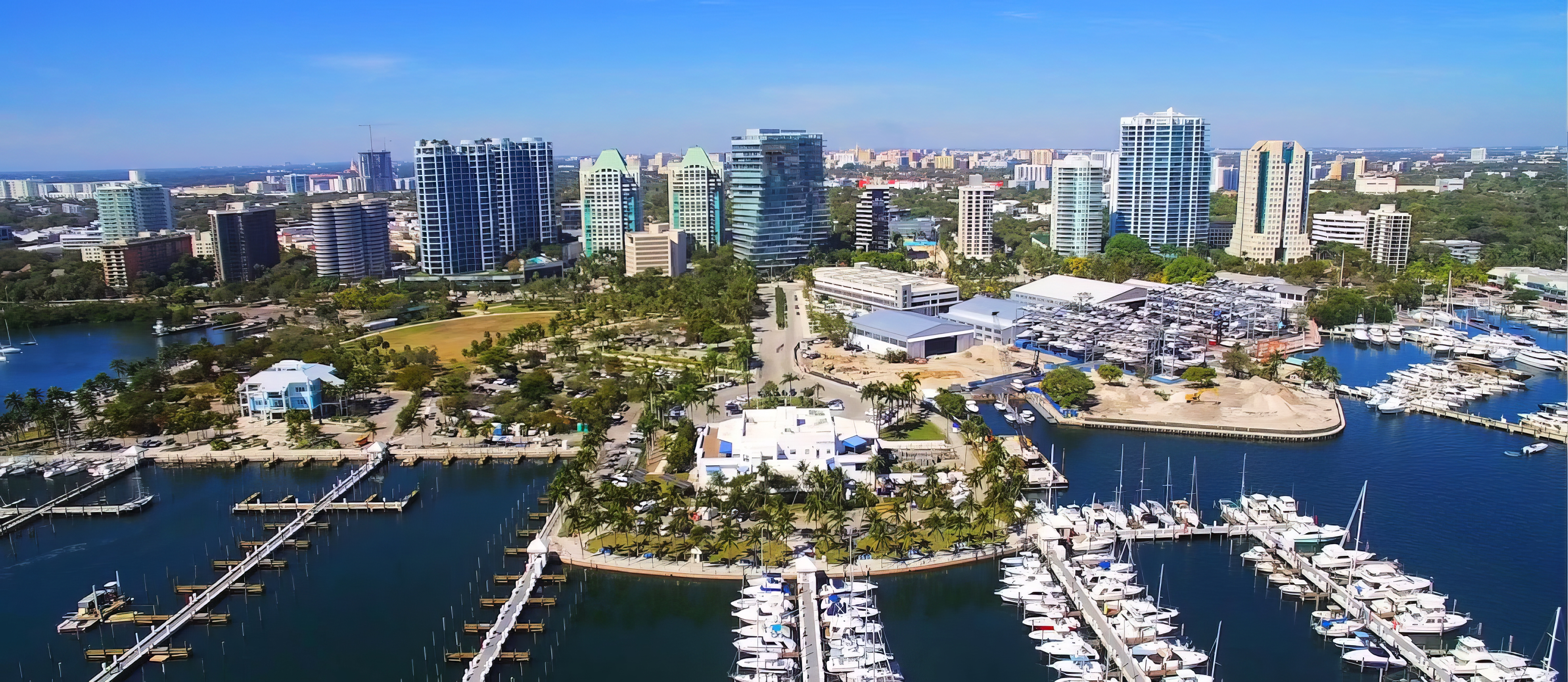
Coconut Grove, Miami, Florida - EVERYTHING You Want to Know
Spoil your eyes, minds, and hearts with a virtual tour along the captivating corners of Mi...
.png)
The Ultimate Guide to Miami-Dade's Top 25 Gated Communities for Single-Family Homes
Discover Miami's top gated communities in this essential guide for luxury home buyers...


Miami's BEST Restaurants in EVERY Neighborhood
Check out the absolute BEST restaurants in every neighborhood of Miami, including the best...
Selling Your Home?
Who are we?
We are the ALL IN Miami Group out of Miami.
We are Colombian, Filipino, Cuban, German, Japanese, French, Indian, Syrian, and American.
We are Christian, Hindu, and Jewish.
We are many, but we are one.
We sell luxury homes in Miami, Florida.
Although some of our clients are celebrities, athletes, and people you read about online, we also help young adults find their first place to rent when they are ready to live on their own.
First-time buyers?
All the time!
No matter what your situation or price range is, we feel truly blessed and honored to play such a big part in your life.