



What Daily Life Looks Like in Naranja

Amit Bhuta
I use non-traditional marketing to inspire the most motivated buyers to pay the max for Miami luxury homes...
I use non-traditional marketing to inspire the most motivated buyers to pay the max for Miami luxury homes...
The bus won't wait for the lunch you left on the kitchen counter, and mornings in Naranja serve as a unique reminder.
At Bauer Drive Station, commuters are checking Metro Express arrivals, hoping to make their connections without another last-minute sprint.
Not everyone's heading north, though, as some residents are already on their way to the plant nurseries around Redland, where they swap office shoes for work boots.
Meanwhile, the staff at Naranja Park are minding their own preparations, knowing the after-school crowd will soon trickle in with enough energy to power the whole neighborhood.
The perfect fix? A stop for croquetas along South Dixie Highway to make a busy day a little more bearable.
Indeed, with new apartment buildings joining familiar local businesses, Naranja is changing, but its residents still have jobs to get to, errands to run, and families to look after.
Thankfully, when the day's running around is finally over, picking up a good meal and getting home without another surprise on the schedule can count as a pretty big win.
Here’s what a typical day is like in Naranja.
The Transitway Timekeeper
 (28).png?w=1140)
Early Morning - The Apartment Alarm Has Competition
Five more minutes of sleep sounds wonderful until the bus schedule reminds you that it has absolutely no interest in your plans.
Our Naranja resident knows this all too well, especially since her job as a medical scheduling employee requires her to commute north on weekdays.
She rents an apartment near SW 268th Street, where her mornings usually involve packing lunch, getting dressed, and checking the Metro Express arrivals before leaving.
Living in an apartment community means she doesn't have a driveway or a yard to worry about, but getting out the door on time is another matter.
She makes sure her phone is charged, her transit fare is ready, and her lunch is safely tucked into her bag.
Naranja's growing collection of apartments gives working residents like her more housing options in South Dade, although choosing the right place also means considering rent, transportation, and distance from work.
With everything accounted for, she heads out, hoping she hasn't forgotten something important on the kitchen counter.
 (29).png?w=1140)
Morning – Northbound Without the Car Keys
By the time she reaches Bauer Drive Station near SW 264th Street, a few other commuters are already checking the arrival displays.
The station serves Miami-Dade's Metro Express Route 601, which travels along the South Dade TransitWay toward Dadeland South Metrorail Station.
Unlike ordinary buses traveling along US-1, Metro Express uses a dedicated corridor designed to make the journey more reliable.
Our resident checks the display, passes through the fare gate, and settles into the waiting area until her bus arrives.
Once aboard, she finds a seat, puts away her phone, and enjoys a few minutes without having to concentrate on Miami traffic.
Dadeland South is only one part of her journey, though, since she still needs to make another connection before reaching her workplace.
It's not quite as simple as walking downstairs to work, but having a regular transit option means she doesn't need to own a car to get to her job.
 (30).png?w=1140)
Late Afternoon – A Library Visit With a Deadline
The workday may be over, but our resident has another deadline waiting, and this one comes with study notes.
She's working toward a professional certification, so she occasionally stops at the Naranja Branch Library on SW 280th Street before heading home.
The library offers public resources, printing services, and weekday evening hours, which is ideal for adults juggling employment and continuing education.
She finds a quiet place to review her materials, works through a few practice questions, and prints the documents she'll need for her next study session.
Studying after a full shift isn't always easy, especially when her brain is already asking what they're having for dinner.
Still, she knows that improving her qualifications could help her move toward better opportunities in the healthcare industry.
Once she's finished, she packs her notes and heads out, pleased to have made some progress without adding another expense to her week.
 (31).png?w=1140)
Evening – Tacos After the Last Transfer
After a day of work, commuting, and studying, cooking an elaborate dinner is nowhere near the top of her priorities.
Instead, she stops by Morelia's Taqueria on South Dixie Highway before returning to her apartment.
The Mexican restaurant serves familiar favorites like tacos al pastor, birria, tortas, and quesadillas, making it a convenient option when she wants something filling without preparing it herself.
She checks the menu, hovers over a few tacos, and waits for her order while catching up on messages.
It's also a nice change from the lunch she packed that morning, which she's now rather tired of thinking about.
With dinner in hand, she heads home, where the remaining plans are a shower, comfortable clothes, and absolutely no more practice questions.
Tomorrow's commute can have her attention in the morning; tonight, the tacos come first.
The After-School Playmaker
 (32).png?w=1140)
Morning – Before the Baseballs Start Flying
Naranja Park is much easier to organize when the basketballs are still in their storage bins, and nobody's arguing about whose team gets the first turn.
Our resident works in community recreation, helping prepare activities and supervise children who participate in the park's programs.
Located along SW 264th Street, Naranja Park has a lighted baseball field, basketball courts, multipurpose spaces, and a recreation center.
His mornings involve checking equipment, inspecting activity areas, and making sure everything is ready before the afternoon groups arrive.
He also reviews the day's plans with other staff members, especially when they need to adjust activities to how many children are attending.
It's the quieter part of his job, although a missing basketball or an equipment cabinet that won't budge can still create a little excitement.
By the time the preps are done, he's ready for a break before the park fills with its younger visitors.
 (33).png?w=1140)
Midday – A Croqueta Break on South Dixie
After a morning thinking about basketballs, activity schedules, and recreation supplies, our resident is ready to focus on something far more important: lunch.
He heads to Santa Lucia Bakery on South Dixie Highway, a local Cuban bakery serving sandwiches, pastries, croquetas, and other familiar favorites.
The menu offers everything from pan con bistec and Cuban sandwiches to empanadas and pastelitos, which means choosing something can take longer than expected.
Today, he orders a sandwich and a croqueta, along with a drink to help him get through the afternoon.
While waiting, he checks a message from a coworker about the next activity group and confirms that everything is ready.
There's no time for a long lunch, but sitting down for a proper meal makes a welcome change from grabbing snacks between responsibilities.
Once he's finished, he heads back toward Naranja Park, where the quiet morning atmosphere won't last much longer.
 (34).png?w=1140)
After-School – The Park Has a Second Shift
The first groups of children arrive, and suddenly, the recreation center is in pandemonium — at least until they finish prepping the activities.
Naranja Park offers organized after-school recreation for younger residents, with activities designed to keep children active and engaged outside regular school hours.
Our resident helps gather the children, explain the day's activities, and divide everyone into groups before the games begin.
Some are eager to get moving, while others need a little encouragement to participate, especially when their favorite friends end up on another team.
Then come the familiar disagreements over rules, turns, and whether someone was really out during a game.
He handles these moments with patience, reminding everyone that teamwork matters more than winning every argument.
It's rewarding work, particularly when a child who was reluctant to join earlier ends up laughing and participating with the others.
By the time the program begins wrapping up, he's spent several hours answering questions, organizing activities, and keeping everyone moving safely.
 (35).png?w=1140)
Early Evening – The Paleta Postgame Report
After spending the afternoon surrounded by enthusiastic children, our recreation worker finally gets to enjoy a conversation that doesn't involve reminding anyone to take turns.
He meets a fellow staff member at Michoacana Paleteria on South Dixie Highway, a neighborhood shop known for Mexican-style frozen treats and snacks.
The menu includes ice cream, paletas, fruit desserts, and savory options like esquites, so they have plenty to choose from.
He orders something cold while his coworker considers a mangonada, and they settle in to talk about the day's activities.
Naturally, the conversation returns to the basketball game that produced three different versions of the final score.
They laugh about the afternoon, discuss a few ideas for future activities, and enjoy having no equipment to put away for the moment.
It's a simple outing, but after a day spent keeping everyone else busy, having a little time for himself is a welcome reward.
With tomorrow's program already on his mind, he finishes his treat and heads home to recharge.
The Nursery-Shift Neighbor
 (36).png?w=1140)
Early Morning – Work Boots by the Front Door
Before most people think about their first cup of coffee, our Naranja nursery worker is already checking the weather and preparing for another warm day outdoors.
She shares a townhouse with her sister, and their mornings often begin with a familiar routine of packing food, gathering work clothes, and making sure neither forgets anything important.
As her job involves caring for ornamental plants, comfortable work boots and clothes that can handle dirt are non-negotiable.
She fills her water bottle, packs a simple lunch, and checks whether the day's forecast calls for rain.
Working around plants in South Florida means monitoring heat, humidity, and sudden afternoon showers that can change an otherwise ordinary workday.
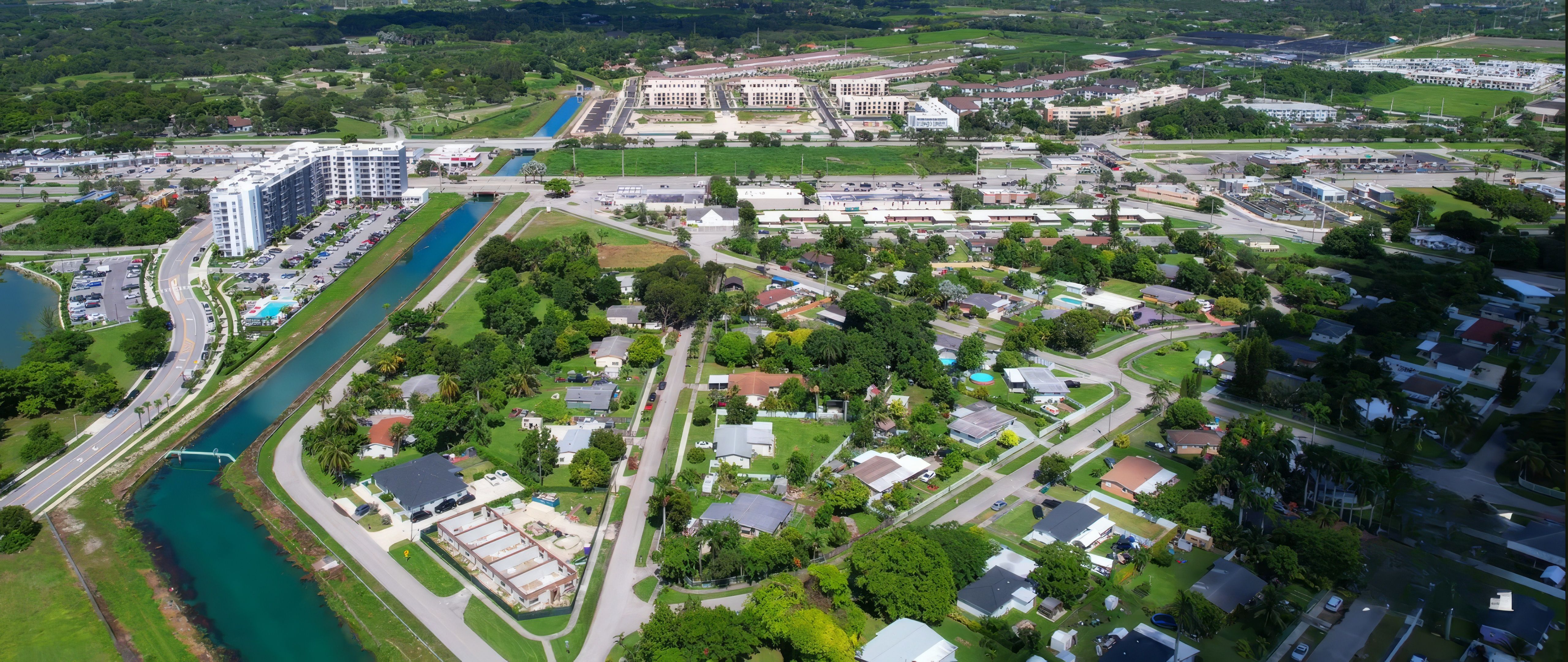
Outside, newer apartment buildings and townhouse developments reflect how much Naranja's residential landscape has changed over the years.
But her destination reminds us that South Dade's agricultural economy is still very much part of the region.
 (37).png?w=1140)
Late Morning – Where Naranja's Roots Still Grow
Although Naranja was once known for orange groves, our resident's agricultural work takes her to a plant nursery in nearby Redland.
The surrounding district remains an important part of Miami-Dade's agricultural industry, with growers producing tropical plants, ornamentals, and other crops.
At the nursery, she moves between rows of plants, checks their condition, removes damaged leaves, and helps prepare customers' orders.
Some plants need watering, while others require sorting, repotting, or careful handling before they're ready to leave.
Working with living products means something always needs her focus, especially when the weather turns unusually hot or wet.
She enjoys seeing healthy plants ready for delivery, knowing some will eventually decorate homes, businesses, and landscaped properties around South Florida.
It's physical work, and when her shift is over, she's ready to trade the nursery's growing area for somewhere a little cooler.
 (38).png?w=1140)
Afternoon - One Blue Bin, Plenty of Purpose
On her way back to Naranja, our resident stops at St. Ann Mission on SW 264th Street.
She and her sister gathered a bag of clean clothing and household items to donate, and today she's finally dropping them off.
The mission is a donation ministry that helps people facing financial difficulties, with particular attention to migrant agricultural workers in Naranja, Homestead, and Florida City.
Its blue steel donation container accepts drop-offs around the clock, making contributions easier for people with different work schedules.
She places the items in the collection bin, checks that everything is secure, and continues her afternoon.
She doesn't need to do it every week, but she appreciates knowing a local organization is helping families and workers who may need additional support.
Having worked in agriculture herself, she understands how demanding the industry can be, especially when employment and household expenses don't always follow a predictable schedule.
With another errand finished, she heads toward the neighborhood shops before going home.
 (39).png?w=1140)
Early Evening – More Than a Grocery Aisle
After a long day working with plants, our resident has one last stop before she can finally put her feet up.
Diaz Supermarket on SW 268th Street is a familiar grocery option, with fresh produce, meats, pantry items, and a cafeteria serving prepared food.
She walks through the produce section, checks what looks good, and picks up ingredients for dinner.
Her sister has already asked whether they have enough rice at home, so she needs one more item in the basket.
She also checks the prepared dishes at the cafeteria, considering whether tonight might be a good evening to let someone else handle part of the cooking.
Places like Diaz serve an important role in Naranja, especially for residents who appreciate having a neighborhood supermarket that carries familiar Latin grocery staples.
After shopping, she heads back to the townhouse, where dinner and a quiet evening are waiting.
After spending the day surrounded by plants, she's perfectly happy leaving the gardening to someone else for a few hours.
THE BIGGER PICTURE OF LIFE IN NARANJA
What do these three different routines tell us about Naranja?
Naranja is growing, but new apartment buildings and improved transportation don't automatically make everyday life easier for everyone.
More housing can bring fresh opportunities to the area, although rising living expenses mean residents still have to think carefully about rent, transportation, and what they can afford each month.
That's especially important in a community where renting is common, and many households share living spaces.
Metro Express gives commuters another way to reach jobs farther north, but getting around South Dade still requires planning, particularly when destinations aren't close to the TransitWay.
While businesses along South Dixie Highway offer familiar places to shop and eat, the neighborhood doesn't have the extensive shopping districts and entertainment options found in more developed parts of Miami.
Instead, daily activity centers on apartment communities, local businesses, public facilities, and the roads that connect people to their workplaces.
That makes resources like Naranja Park and the public library particularly valuable, since they offer recreation, learning opportunities, and community services without the expense of private memberships.
Meanwhile, the surrounding agricultural industry remains an important source of employment, even as former rural areas continue making room for new development.
It's an interesting contrast for a place named after the orange groves that once covered the landscape.
Today, those agricultural roots exist alongside modern housing, bus rapid transit stations, and businesses serving a growing residential population.
But growth also brings questions about whether public facilities, transportation, and neighborhood services can keep up with the people moving in.
For residents, those concerns aren't just part of a planning discussion; they affect how long it takes to get to work, where children spend their afternoons, and how much money is left after paying the bills.
Naranja's future will depend on more than the number of apartments built or the businesses that open along its roads.
The real measure of its progress will be whether the people building their lives in this community find it easier to get ahead, rather than simply finding more ways to get through another busy day.
Naranja, Miami, Florida - EVERYTHING You Want to Know
stash the snacks, silence the notifications, and buckle up — we're about to...

The Ultimate Guide to Miami-Dade's Top 25 Gated Communities for Single-Family Homes
Discover Miami's top gated communities in this essential guide for luxury home buyers...


Miami's BEST Restaurants in EVERY Neighborhood
Check out the absolute BEST restaurants in every neighborhood of Miami, including the best...
Selling Your Home?
Who are we?
We are the ALL IN Miami Group out of Miami.
We are Colombian, Filipino, Cuban, German, Japanese, French, Indian, Syrian, and American.
We are Christian, Hindu, and Jewish.
We are many, but we are one.
We sell luxury homes in Miami, Florida.
Although some of our clients are celebrities, athletes, and people you read about online, we also help young adults find their first place to rent when they are ready to live on their own.
First-time buyers?
All the time!
No matter what your situation or price range is, we feel truly blessed and honored to play such a big part in your life.