



The Redlands, Miami — A Cheat Sheet for Buyers, Visitors, & the Curious

Amit Bhuta
I use non-traditional marketing to inspire the most motivated buyers to pay the max for Miami luxury homes...
I use non-traditional marketing to inspire the most motivated buyers to pay the max for Miami luxury homes...
Space, privacy, land use, and flexibility — The Redlands offers all of them.
But none of them come without considerations.
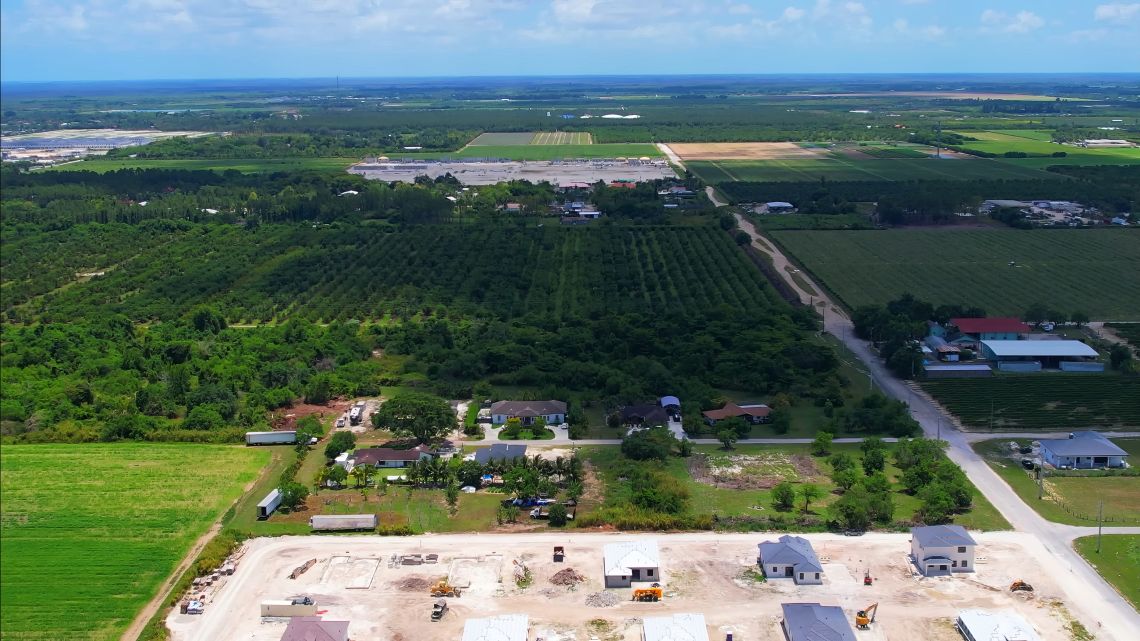
Located in southern Miami-Dade County, west of Homestead, The Redlands is defined by large agricultural parcels, limited infrastructure, and zoning rules that shape what owners can and cannot do with their property.
There are no master-planned communities, no uniform streetscapes, and no simplified buying process.
Proximity to the city? That’s off the table, too.
Instead, every decision in The Redlands is tied to variables, such as septic systems, well water, land maintenance, and long-term use restrictions.
And that’s just the tip of the iceberg.
Which is why understanding The Redlands, especially for those considering living in or buying property in this part of Miami-Dade County, isn’t optional.
It’s an entire decision made easier by this guide.
Here's what you need to know about living in, visiting, and understanding The Redlands.
-topaz-upscale-2.1x.jpeg?w=1140)
LIVING IN THE REDLANDS
What is The Redlands in Miami?
The Redlands is a large agricultural region in southern Miami-Dade County known for farmland, nurseries, groves, and rural residential properties.
It is an unincorporated area located west of Homestead, stretching toward Krome Avenue and the Everglades.
What types of properties are found in The Redlands?
Properties in The Redlands are primarily single-family homes on agricultural land, often paired with working farms, nurseries, or open acreage.
Homes range from modest ranch-style houses around 1,200 square feet to custom estate homes exceeding 4,000 square feet on multi-acre parcels.
What is the typical lot size in The Redlands?
Lot sizes typically range from 1 acre to 5 acres, with some properties exceeding 10 acres depending on location and zoning.
This allows space for farming, equipment storage, additional structures, or long private driveways.
What zoning applies to properties in The Redlands?
Most properties fall under agricultural zoning, such as AU (Agricultural District), which prioritizes farming and low-density residential use.
This zoning restricts subdivision, high-density development, and certain commercial uses to preserve the area’s agricultural character.
What can you legally build on a property in The Redlands?
Owners can typically build a primary residence, barns, agricultural structures, and certain accessory buildings, depending on lot size and setbacks.
Additional dwellings, event venues, or commercial uses require zoning review and county approval.
Can you operate a business from your property in The Redlands?
Agricultural businesses such as nurseries, fruit stands, and farm-based operations are commonly permitted.
Some properties also support agritourism activities, though non-agricultural commercial uses are more restricted.
Do homes in The Redlands use septic or sewer systems?
Most homes rely on septic systems rather than municipal sewer connections.
Septic systems require routine maintenance, inspections, and occasional replacement depending on usage and age.
Do properties in The Redlands have well water or city water?
Many properties use private well water systems instead of municipal water.
Water filtration systems are often installed to improve quality, and well maintenance is an ongoing responsibility.
What internet and utility services are available in The Redlands?
Electric service is provided throughout the area, but internet availability varies by location.
Some properties have access to providers such as Xfinity or AT&T, while others rely on fixed wireless or satellite services like Starlink due to The Redlands' rural layout.
What is the typical price range for homes in The Redlands?
Home prices generally range from approximately $650,000 to over $2.5 million, depending on acreage, home size, and improvements.
Entry-level properties on smaller lots typically fall below $900,000, while larger estates with agricultural income potential command higher prices.
Price per acre varies widely depending on location, road access, and land improvements
Why are Redlands properties often expensive despite being rural?
Property values are driven by land size, agricultural usage potential, and limited supply rather than proximity to urban amenities.
Larger parcels and income-producing land uses significantly increase value.
What are the ongoing costs of owning property in The Redlands?
Costs include land maintenance, equipment upkeep, septic servicing, well system maintenance, and higher insurance premiums.
Managing several acres of land can require significantly more time and expense than a standard suburban property.
How are property taxes calculated in The Redlands?
Property taxes follow Miami-Dade County rates, typically at 1.8% to 2.2% of assessed value.
Agricultural classification can significantly reduce tax burdens if the land is actively used for qualifying agricultural purposes.
Is The Redlands located in a flood zone?
Some areas fall within FEMA flood zones, particularly lower-lying agricultural sections.
Flood insurance requirements vary by property and elevation, so buyers should verify flood maps and insurance costs.
How does hurricane exposure affect homes in The Redlands?
The open landscape increases exposure to wind during storms, especially compared to denser urban areas.
Homes with modern construction standards, shutters, or impact windows perform better during severe weather events.
What should buyers know about soil and drainage in The Redlands?
The Redlands is known for rocky limestone soil, which affects drainage, landscaping, and farming conditions.
Land preparation may be required for certain uses, especially when planting or building.
What schools serve the Redlands area?
Schools serving the area include South Dade Senior High School, Redland Middle School, and Redondo Elementary School.
Many students commute to schools in Homestead and nearby areas due to the region’s size.
For more information on public and private school options available, visit Best Schools in The Redlands.
Is The Redlands suitable for full-time living in Miami-Dade County?
The Redlands is well-suited for those seeking privacy, space, and a rural lifestyle.
It may not be ideal for those who prefer proximity to urban amenities or low-maintenance living.
Who typically buys property in The Redlands?
Buyers often include agricultural operators, land investors, and homeowners seeking large properties with privacy.
Many are drawn to the ability to use land for farming and long-term value retention.
-topaz-upscale-2.1x.jpeg?w=1140)
VISITING THE REDLANDS
Where is The Redlands located in Miami-Dade County?
The Redlands is located in southern Miami-Dade County, west of Homestead and east of the Everglades.
It spans a large agricultural corridor between Krome Avenue and SW 248th Street.
How far is The Redlands from Downtown Miami?
The Redlands is approximately 40-50 miles from Downtown Miami.
Drive times typically range from 50 minutes to over an hour, depending on traffic and route.
What are the main roads in The Redlands?
Major roads include Krome Avenue (SW 177 Avenue), SW 248th Street (Coconut Palm Drive), and SW 232nd Street (Silver Palm Drive).
These roads connect residents to Homestead and US-1.
How do residents commute from The Redlands?
Most residents rely on personal vehicles and commute via Krome Avenue or US-1.
Public transportation options are limited due to the rural layout.
Where do residents shop for groceries and essentials?
Residents typically shop in nearby Homestead along US-1.
Common stores include Publix, Walmart Supercenter, Aldi, and local produce markets.
Top 5 Shopping Spots in The Redlands highlights several of the best retail options in the area.
Are there restaurants or food options in The Redlands?
Dining options within The Redlands are limited and mostly consist of casual local spots and farm-based vendors.
More extensive dining options are located in Homestead and the surrounding commercial areas.
Check out Top 5 Places to Eat in The Redlands for more details.
What parks and outdoor attractions are near The Redlands?
Nearby attractions include Fruit & Spice Park, Schnebly Redland's Winery & Brewery, and Everglades National Park.
Meanwhile, for parks that allow dogs, you may visit Dog-Friendly Parks in The Redlands.
These locations offer outdoor recreation, events, and nature-based experiences.
What is agritourism in The Redlands?
Agritourism refers to farm-based experiences such as fruit picking, farm tours, and seasonal festivals.
The Redlands is a major hub for agritourism in Miami-Dade County, with many farms open to visitors year-round.
For a typical day in The Redlands, check out Top 5 Things to Do in The Redlands.
UNDERSTANDING THE REDLANDS
Is The Redlands rural or suburban?
The Redlands is a rural area characterized by agriculture, low density, and large land parcels.
It differs significantly from suburban neighborhoods in both infrastructure and lifestyle.
What is The Redlands known for?
Redlands is known for tropical fruit production, plant nurseries, and agricultural businesses.
It plays a key role in preserving Miami-Dade County’s farming industry.
What are the pros and cons of living in The Redlands?
Advantages include privacy, land ownership, and agricultural opportunities.
Trade-offs include distance from urban centers, limited infrastructure, and higher maintenance demands.
Who should not live in The Redlands?
The Redlands may not suit buyers who prefer urban convenience, walkability, or low-maintenance properties.
Those seeking suburban amenities may find it less practical.
Is The Redlands a good real estate investment?
The Redlands can be a strong long-term investment due to land scarcity and agricultural value.
However, appreciation is influenced by zoning protections rather than rapid development.
Is The Redlands being developed or preserved?
The area is subject to ongoing debates between development pressure and agricultural preservation.
Zoning regulations aim to limit overdevelopment and protect farmland.
Why do buyers choose The Redlands over suburban areas?
Buyers choose The Redlands for larger land parcels, privacy, and flexibility in land use.
It appeals to those prioritizing space over convenience.
What is the future of The Redlands?
The future of The Redlands depends on the balance between preservation efforts and development demand.
It is expected to retain much of its agricultural character over time.
Is The Redlands changing over time?
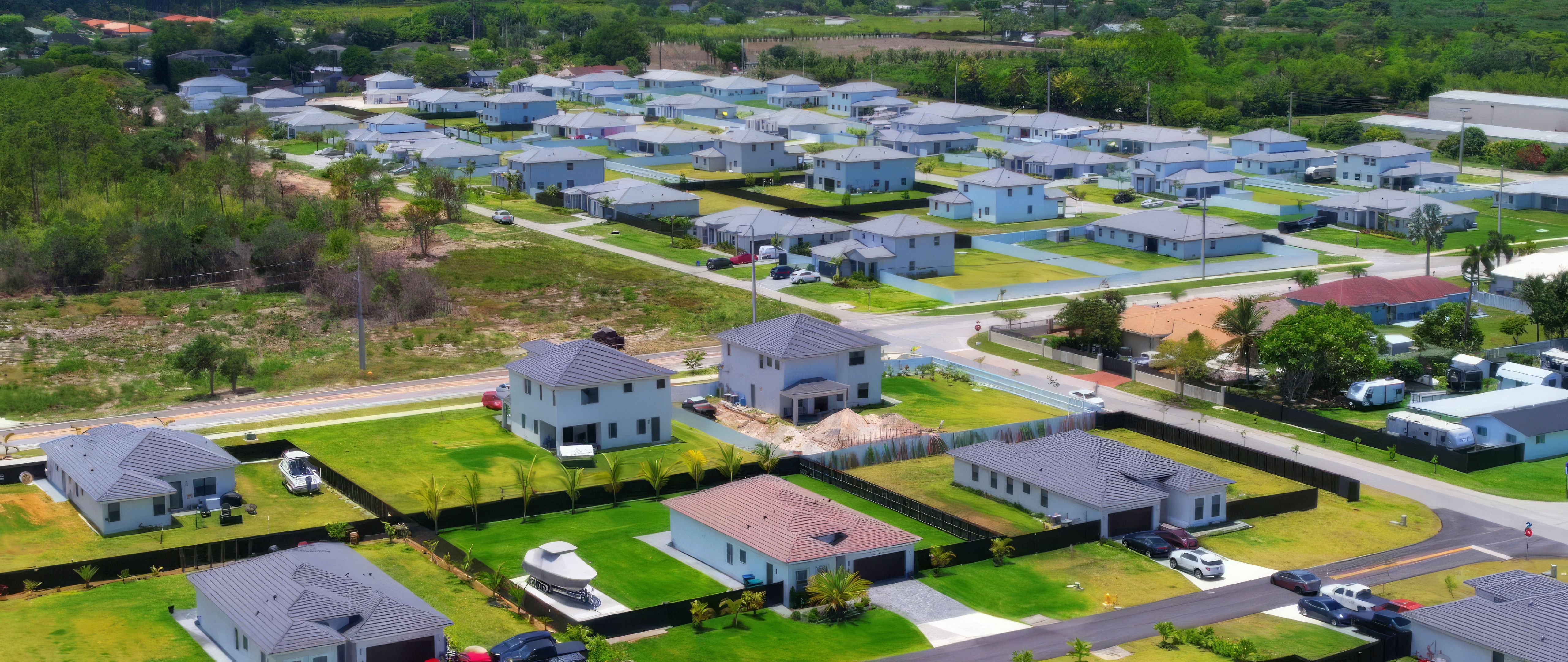
Redlands is evolving gradually, with some new construction and growth in agritourism.
Large-scale transformation remains limited due to zoning restrictions.
-topaz-upscale-2.1x.jpeg?w=1140)
-topaz-upscale-4x-3.jpeg)
The Redlands, Miami, Florida - EVERYTHING You Want to Know
Come along as we uncover the heart of The Redlands and all the unexpected gems tucked betw...
.png)
The Ultimate Guide to Miami-Dade's Top 25 Gated Communities for Single-Family Homes
Discover Miami's top gated communities in this essential guide for luxury home buyers...


Miami's BEST Restaurants in EVERY Neighborhood
Check out the absolute BEST restaurants in every neighborhood of Miami, including the best...
Selling Your Home?
Who are we?
We are the ALL IN Miami Group out of Miami.
We are Colombian, Filipino, Cuban, German, Japanese, French, Indian, Syrian, and American.
We are Christian, Hindu, and Jewish.
We are many, but we are one.
We sell luxury homes in Miami, Florida.
Although some of our clients are celebrities, athletes, and people you read about online, we also help young adults find their first place to rent when they are ready to live on their own.
First-time buyers?
All the time!
No matter what your situation or price range is, we feel truly blessed and honored to play such a big part in your life.