



El Portal vs. Miami Shores vs. Biscayne Park: Which One Fits You Best?

Amit Bhuta
I use non-traditional marketing to inspire the most motivated buyers to pay the max for Miami luxury homes...
I use non-traditional marketing to inspire the most motivated buyers to pay the max for Miami luxury homes...
A century ago, the Biscayne Park land you're looking to buy for over a million dollars was growing tomatoes.
Much has changed since then, but judging by the village's sprawling tree canopies and generous green medians, its penchant for things that grow never quite disappeared.
In fact, you could spend a good portion of your house tour mesmerized by things that aren't even included in the sale.
But Biscayne Park isn't the only village in this part of Miami with surroundings as charming as the property itself.
El Portal has a fascinating history tucked beneath the trees, and Miami Shores has art, culture, and local businesses in its established residential landscape.
So, if a similar budget could get you a home in any of these three villages, the deciding factor most probably lies somewhere beyond the front lawn.
Here's how El Portal and Miami Shores compare to Biscayne Park.
EL PORTAL
 (22).png?w=1140)
Lifestyle & Atmosphere
El Portal's natural surroundings are more than a collection of beautiful trees that grew in the right places.
The village is a designated bird sanctuary, as portions of Little River provide habitat for various wildlife, including Florida manatees.
But perhaps the most fascinating part of El Portal's landscape lies beneath it, particularly around Sherwood Forest, where archaeological discoveries provide evidence of Indigenous settlement dating back approximately 1,800 years.
The village actively protects this heritage, giving certain residential areas a historical significance that goes well beyond the age of their houses.
Interestingly, El Portal hasn't limited its identity to preserving its past.
At SkateBird Miami on NE 83rd Street, skateboarding lessons, ramps, and creative activities introduce a completely different crowd and energy to the village.
It's an unexpected addition to a community known for wildlife and archaeology, but it shows how El Portal continues to develop other interests without losing sight of its history.
 (23).png?w=1140)
Housing & Prices
Based on available data, El Portal recorded a median single-family home sale price of $1.225 million during the third quarter of 2026, just $2,500 below Biscayne Park's median for the same period.
Its housing inventory includes modest cottages, mid-century residences, extensively updated properties, and newer construction.
In October 2026, for example, a three-bedroom house on NE 89th Street with 1,168 square feet of interior space sold for $1.055 million.
However, buying a house in El Portal can involve unusual considerations if you're planning to do more than make cosmetic changes.
Properties within its designated archaeological zone may require a Certificate to Dig before excavation can proceed, so even plans for a swimming pool could warrant additional inquiries.
Another consideration is construction taking place beyond individual residential lots.
The eight-story Kavista apartment development on NE 83rd Street shows that El Portal's housing landscape is gradually accommodating residential buildings of a different scale.
If wooded surroundings and low-rise architecture of a particular street influenced your decision to buy a home, the zoning of neighboring parcels will help you anticipate how that setting might change.
 (26).png?w=1140)
Walkability & Convenience
El Portal occupies a relatively small area, but the distance between your home and the village boundaries will determine how easily you can reach surrounding establishments.
Its proximity to Little River gives residents access to interesting dining destinations such as The Citadel on NE 2nd Avenue, where multiple food vendors operate under one roof.
Closer to the eastern section of the village, SkateBird provides a recreational destination that doesn't require a trip to another municipality.
These places add variety to the surrounding residential environment, but they don't address all the practical errands homeowners need to accomplish throughout the week.
For those who prefer public transportation, Miami-Dade's Metrobus Route 2 serves El Portal and connects it with Downtown Miami.
Still, supermarket trips and appointments may require driving, particularly if you live deeper within the village.
And while the abundance of vegetation makes walking outdoors more enjoyable, pedestrian facilities aren't consistent along every route.
El Portal rewards residents who know how to navigate its smaller streets and neighboring commercial areas, but its size alone shouldn't be mistaken for having everything within walking distance.
MIAMI SHORES
 (24).png?w=1140)
Lifestyle & Atmosphere
Miami Shores has found some rather interesting uses for the space between its houses and businesses.
At Optimist Park near NE 94th Street, contemporary sculptures share the landscape with towering oak trees, giving pedestrians something other than attractive residential architecture to admire.
Public art also appears elsewhere in the village through initiatives that introduce creative works into familiar community settings.
This artistic presence extends to Miami Theater Center on NE 2nd Avenue, a cultural venue housed in a renovated theater that recalls the days when small communities had movie theaters of their own.
Rather than requiring residents to travel to Miami's better-known arts districts for every cultural outing, these destinations give the village a creative identity that's visible in its everyday surroundings.
Of course, Miami Shores is still predominantly residential, and people living farther from its central streets may encounter little of this activity unless they deliberately seek it out.
But these cultural spaces, woven into an established community, give residents more ways to appreciate the village beyond its beautiful houses.
 (29).png?w=1140)
Housing & Prices
Miami Shores' architectural identity is traced partly to the Florida land boom of the 1920s, when developers envisioned a residential community with Mediterranean-inspired architecture.
You'll find evidence of those ambitions in properties with arched windows, decorative ironwork, Spanish tile roofs, and other details that have survived generations of changing architectural preferences.
However, these historic residences represent only one segment of a market that also accommodates mid-century houses and contemporary construction.
During the third quarter of 2026, Miami Shores recorded a median single-family home sale price of $1.44 million, approximately $212,500 higher than Biscayne Park's.
That difference shouldn't discourage buyers with smaller budgets, considering a three-bedroom residence on NE 109th Street sold for $1.07 million in October of the same year.
Offering around 1,458 square feet of interior space, it was also remarkably similar in size and price to a Biscayne Park property that changed hands that month.
However, the relationship between individual architectural preferences and the character of the surrounding street in Miami Shores is worth a second look.
More than 40 homes have received formal historic designation, so certain alterations to these properties may require additional approval.
For buyers who appreciate the aesthetics of an established residential street, preservation offers reassurance that some of its distinctive architecture is formally recognized, but doesn't guarantee that neighboring properties won't change.
 (28).png?w=1140)
Walkability & Convenience
An evening out in Miami Shores doesn't have to take you far from home, especially if you live near NE 2nd Avenue.
Here, you could grab dinner at Eden Gastrobar before catching a performance at Miami Theater Center, all without leaving NE 2nd Avenue.
The concentration of these businesses within Village Place signals a vibrant commercial scene rather than appearing randomly throughout the residential streets.
That's a notable distinction from Biscayne Park and El Portal, where residents frequently cross municipal boundaries to find similar destinations.
However, Miami Shores' geographical reach means you shouldn't expect the same degree of accessibility from every property.
Its eastern sections extend toward Biscayne Bay, where attractions and practical considerations are considerably different from those around the village center.
For instance, the seawall elevation project at Bayfront Park addresses the vulnerability of public waterfront spaces to rising water levels and storm-related conditions.
These differences make your location in Miami Shores particularly important, since two addresses in the same village could offer contrasting experiences in terms of pedestrian access, commercial activity, and proximity to the water.
BISCAYNE PARK
 (27).png?w=1140)
Lifestyle & Atmosphere
One of Biscayne Park's most recognizable features is a piece of land no homebuyer gets to put on their deed.
The village's landscaped medians occupy generous portions of its residential streets, creating stretches of public greenery between rows of houses.
Combined with mature vegetation on private properties, these medians give the neighborhood a natural appearance that would be difficult to reproduce in a recently developed community.
Biscayne Park's designation as a bird sanctuary further reflects the importance of its landscape, where wildlife has a place alongside the people who call the village home.
Another feature worth getting acquainted with is the historic Log Cabin on NE 114th Street, a 1930s building that once accommodated municipal offices and the police station and continues to serve civic purposes.
Finding a wooden cabin still involved in local government in a metropolitan area better known for its glass skyscrapers? Priceless.
Meanwhile, the Ed Burke Recreation Center on NE 9th Court provides space for community activities, sports, and neighborhood gatherings.
Together, these features give Biscayne Park a public identity that isn't dependent on a commercial district, an entertainment venue, or the impressive appearance of its most expensive houses.
 (25).png?w=1140)
Housing & Prices
At $1.2275 million, Biscayne Park's median single-family home sale price in the third quarter of 2026 places it comfortably between El Portal and Miami Shores.
Considering how different the three villages are, the similarities in some of their individual property transactions are rather striking.
A three-bedroom Biscayne Park house on NE 8th Avenue sold for $1.08 million in October 2026, offering approximately 1,438 square feet of interior space.
Compared with the Miami Shores property that sold for $1.07 million that same month, buyers in these two villages were working with almost identical purchase prices and interior measurements.
Naturally, larger contemporary homes with substantial upgrades can command much higher prices in Biscayne Park, with some recent transactions exceeding $3 million.
However, the village introduces another consideration for buyers who intend to change the property they purchase.
Its land development regulations address building dimensions, setbacks, lot coverage, and landscaping, and permits are required for certain tree removals.
Therefore, that beautiful mature tree beside a house may influence more than backyard aesthetics, especially if you're planning a property extension or substantial alterations.
These regulations are worth understanding because the freedom to develop your land and the preservation of the surroundings that attracted you to Biscayne Park can occasionally work against each other.
What you purchase here is not necessarily a blank canvas, but for buyers who appreciate the village's existing landscape, that may be part of the attraction.
 (21).png?w=1140)
Walkability & Convenience
In Biscayne Park, a beautifully shaded route may not lead you somewhere you need to go.
The village's residential layout offers plenty to appreciate on a morning or afternoon walk, but everyday shopping and dining generally take residents into neighboring municipalities.
North Miami's NE 125th Street corridor offers access to various businesses and services, along with cultural destinations such as the Museum of Contemporary Art, where residents can explore exhibitions without heading into Downtown Miami.
However, not every home in Biscayne Park is within comfortable walking distance of these destinations.
An interesting solution to this geographical limitation is the village's partnership with Freebee, which offers free, on-demand transportation to designated local destinations.
Residents can request a ride instead of retrieving their cars for every eligible short trip, although service availability and coverage will determine how useful this arrangement is for their routines.
Within the village, walking conditions can also vary by sidewalk availability, lighting, and the accessibility of individual streets after heavy rainfall.
Biscayne Park doesn't have the same concentration of shops and cultural venues as Miami Shores, but its connections to surrounding communities make up for the limited commercial development within its boundaries.
Buyers should consider whether those connections satisfy their everyday needs or whether more destinations within the village would make a meaningful difference.
THREE NEIGHBORHOODS, THREE WAYS TO LIVE
After comparing lifestyles, prices, and conveniences, is Biscayne Park the right choice?
People understandably spend considerable time examining a house before buying it, but the condition and direction of its surrounding community deserve similar scrutiny.
A mature tree canopy, for example, can take decades to establish, making it a particularly valuable feature for someone who appreciates greenery but doesn't want to wait for newly planted trees to grow.
Biscayne Park's most desirable physical characteristics are on public land, where their preservation depends partly on municipal decisions rather than individual homeowners' efforts.
El Portal shares that appreciation for nature and history, although its newer residential developments suggest that buyers should also consider how the scale and appearance of their surroundings could evolve.
Miami Shores asks a different arrangement, with cultural and commercial destinations occupying identifiable portions of the village while established architecture continues to define many of its residential streets.
The added conveniences available there may justify a higher purchase price for someone who expects to use them regularly, but they're less valuable to a buyer whose interests lie elsewhere.
Similarly, Biscayne Park's limited commercial activity may attract someone who values uninterrupted residential landscape, yet become frustrating to someone who frequently needs to run errands without driving.
Preservation also brings responsibilities that buyers shouldn't overlook, especially if their plans involve altering historic architecture, removing vegetation, or developing an existing residential lot.
Before choosing among these villages, it may be best to look into recent municipal projects, proposed developments, and the regulations governing properties around the house you're considering.
Doing so can reveal whether the characteristics you admire are actively being protected, gradually changing, or simply the result of decisions made by previous property owners.
And while Miami Shores recorded a higher median house sale price in the third quarter of 2026, individual transactions show that buyers with comparable budgets needn't limit themselves to one of these communities.
Biscayne Park makes a particularly strong case for those who see public landscape as an essential part of their residential experience rather than a pleasant bonus.
But if cultural activity, a recognizable downtown, or a different relationship with future development carries more weight in your decision, its neighboring villages deserve an equally thorough look.
After all, when you're spending seven figures on a former tomato field, you might as well make sure you appreciate what has grown around it, too.
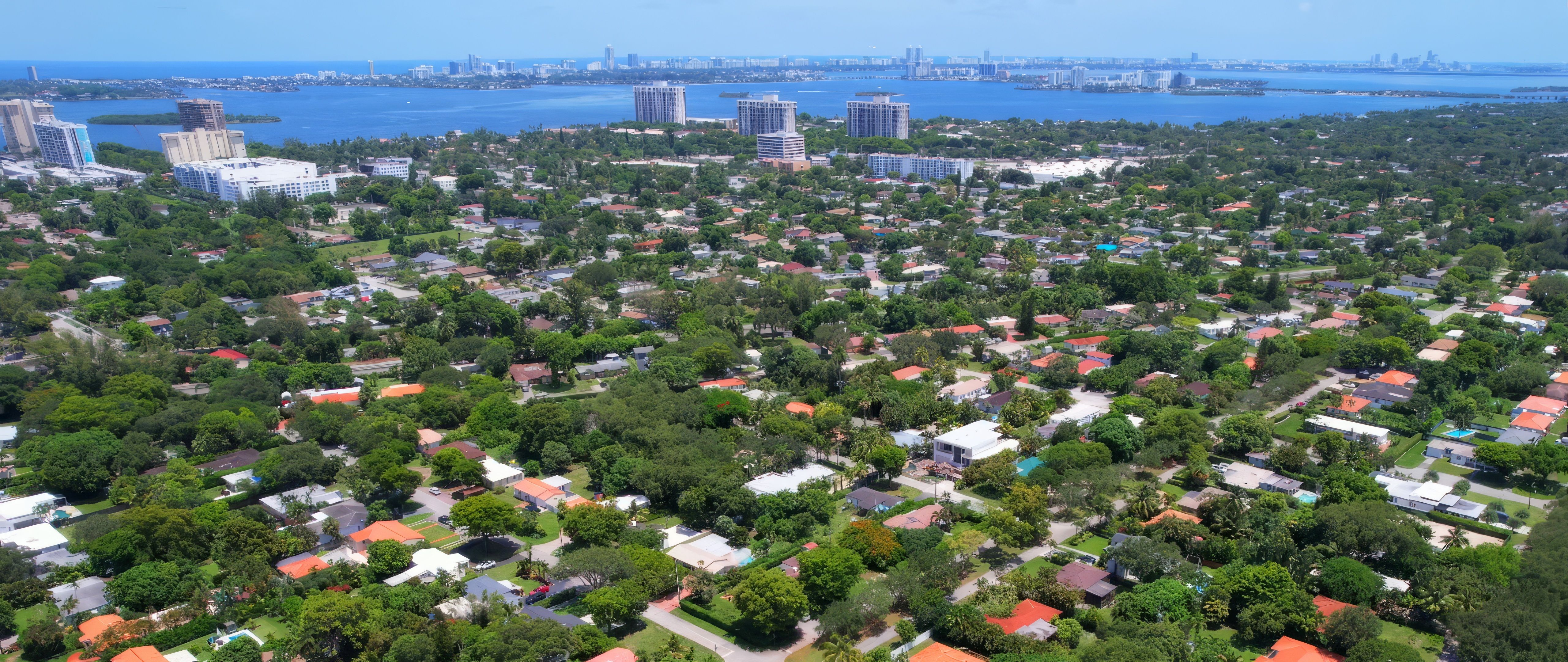
Biscayne Park, Miami, Florida - EVERYTHING You Want to Know
Welcome to your unofficial walkthrough — a peek into Biscayne Park's pulse,...
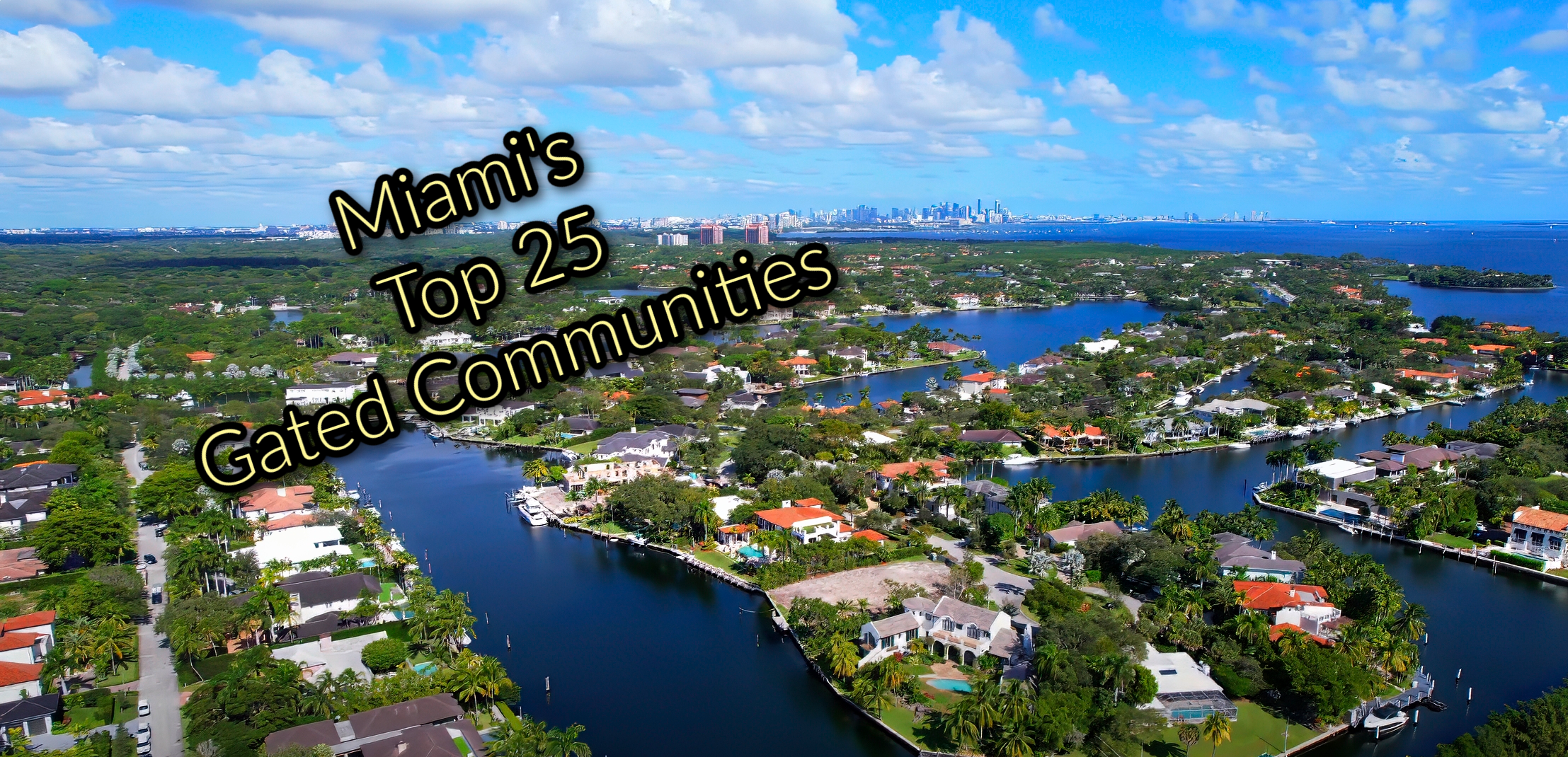
The Ultimate Guide to Miami-Dade's Top 25 Gated Communities for Single-Family Homes
Discover Miami's top gated communities in this essential guide for luxury home buyers...
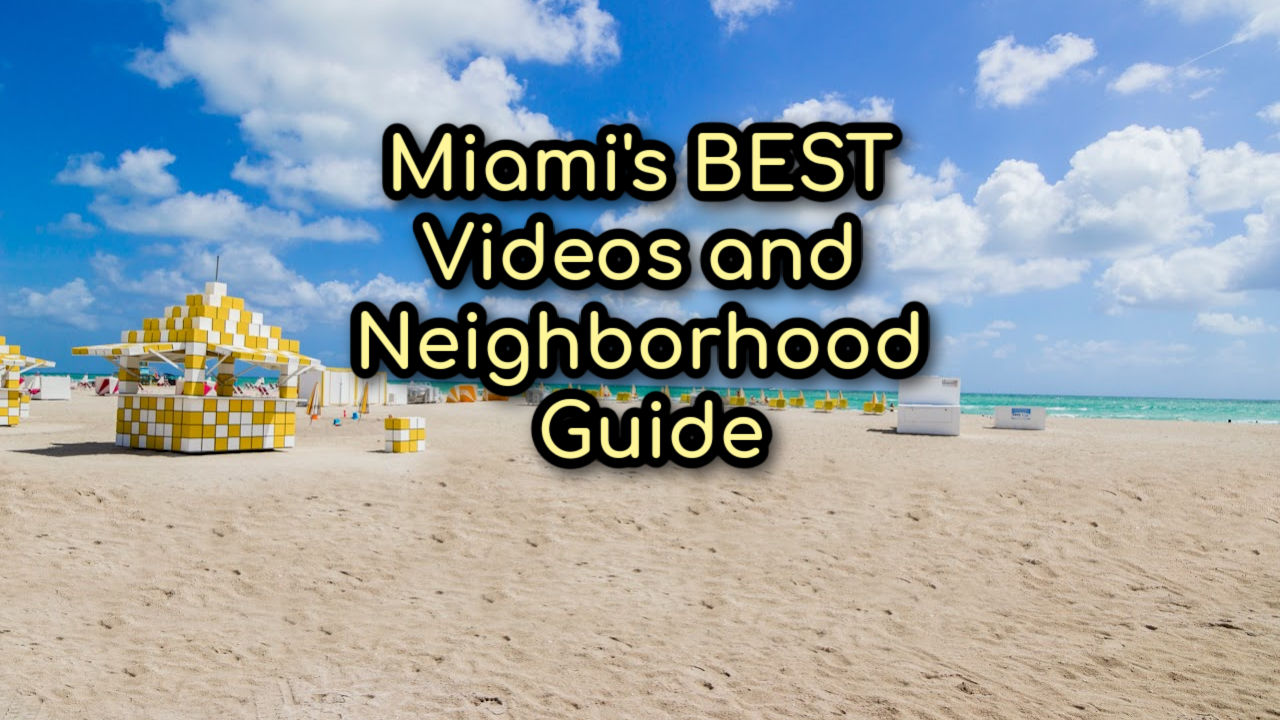

Miami's BEST Restaurants in EVERY Neighborhood
Check out the absolute BEST restaurants in every neighborhood of Miami, including the best...
Who are we?
We are the ALL IN Miami Group out of Miami.
We are Colombian, Filipino, Cuban, German, Japanese, French, Indian, Syrian, and American.
We are Christian, Hindu, and Jewish.
We are many, but we are one.
We sell luxury homes in Miami, Florida.
Although some of our clients are celebrities, athletes, and people you read about online, we also help young adults find their first place to rent when they are ready to live on their own.
First-time buyers?
All the time!
No matter what your situation or price range is, we feel truly blessed and honored to play such a big part in your life.